Editor’s Note
This article discusses the immediate impact of a significant policy change affecting international shipping to the United States.
Starting Friday, tariffs and fees will apply to packages valued at $800 or less sent to the United States. Trade experts warn that consumers and businesses could end up paying significantly more.
The de minimis exemption for low-value packages sent to the United States ended on Friday, causing disruption in international shipping as mail companies, businesses, and consumers navigate the new rules.
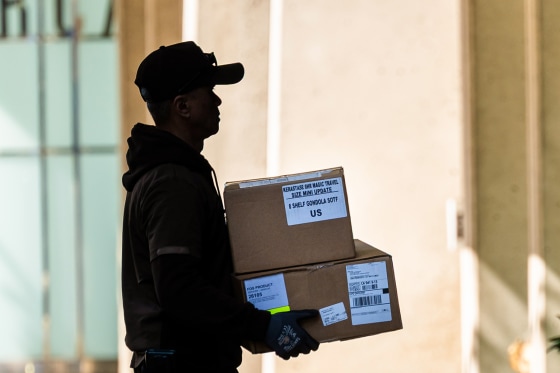
Packages valued at less than $800 sent to the U.S. will now face tariffs and fees. They will be charged either the tariff rates the U.S. has on their countries of origin or flat fees of $80 to $200—the latter option available only to postal carriers for the first six months. Shipments may also face additional tariffs and fees in some cases.
John Pickel, Vice President of Supply Chain Policy at the National Foreign Trade Council, stated that package delivery times could lengthen and costs for U.S. consumers and businesses could rise substantially.
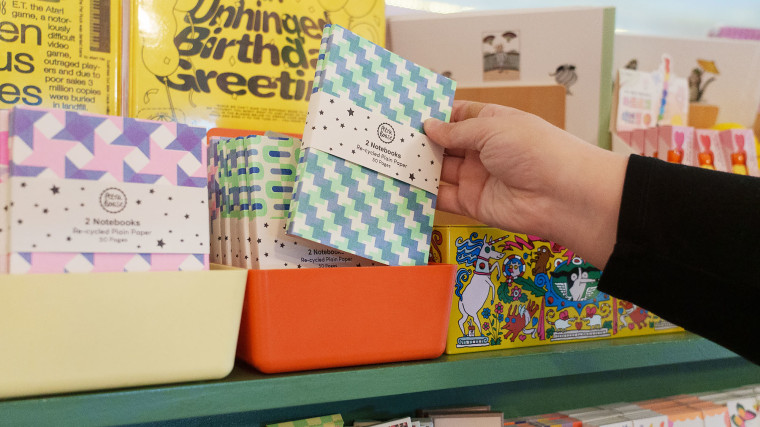
One small business affected is Greenwich Letterpress, a stationery store in New York City. Co-owner Beth Salvini said about half of the store’s items are sourced internationally: greeting cards from the U.K., handmade notebooks from Portugal, and stationery from Japan. With the exemption ending, Salvini plans to raise prices.
The de minimis exemption had streamlined the processing of overseas shipments, allowing U.S. businesses and consumers to buy low-cost items from abroad without incurring significant charges.
A wide range of low-value items previously fell under the exemption, including small kitchen appliances, utensils, beauty products, and apparel from companies like Shein, Temu, and Etsy.
De minimis parcels accounted for 97% of overall shipping volume over the last three fiscal years, with U.S. Customs and Border Protection processing around 4 million such deliveries daily. In fiscal year 2024, most originated from China: 994 million out of nearly 1.4 billion parcels.
The White House has taken several steps this year to end the exemption, which it stated has been used to “evade tariffs and funnel deadly synthetic opioids as well as other unsafe or below-market products that harm American workers and businesses into the United States.”
The exemption for items from China and Hong Kong ended in May. According to data from U.S. Customs and Border Protection, there hasn’t been a significant change in monthly drug seizures since then.
Subsequently, the tax and spending law signed by President Donald Trump in July eliminated the exemption for all countries starting in 2027. However, Trump’s executive order on July 30 accelerated the timeline, ending the exemption on Friday.
There are some exceptions: American travelers can still bring $200 worth of personal items back to the United States duty-free. Additionally, someone abroad can send a gift valued at $100 or less to the U.S. duty-free.
In the days leading up to Friday, dozens of package carriers worldwide paused shipping to the United States as they updated their procedures to comply with the changes.
Salvini noted that her business will no longer be able to purchase certain items from abroad, as some international suppliers have already halted shipping to the U.S. Consequently, customers may see different products on the shelves, and Salvini and her team aim to keep prices as affordable as possible.