Editor’s Note
The GIA is replacing its traditional 4Cs grading for lab-grown diamonds with new “Premium” and “Standard” descriptive categories, marking a significant shift in how synthetic stones are classified.
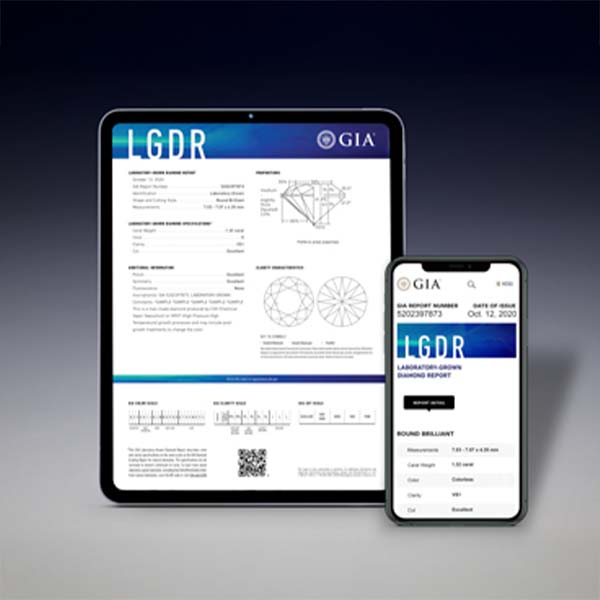
The Gemological Institute of America (GIA) is fundamentally overhauling its grading guidelines for lab-grown diamonds. Starting at the end of this year, the institute will use a new, descriptive terminology to classify the quality of synthetic diamonds – thereby moving away from the previous color and clarity nomenclature (the 4Cs), which was originally developed for natural diamonds.
Instead of the familiar 4C criteria (Cut, Color, Clarity, Carat), lab-grown diamonds will henceforth be assigned by GIA to one of two quality categories: “Premium” or “Standard”. This assessment considers the combination of color, clarity, and workmanship. Synthetic diamonds that do not meet the defined minimum standards will receive no designation.
The new criteria, according to GIA, reflect the homogeneous quality structure of the product: over 95% of all lab-grown diamonds fall within a very narrow range of color and clarity values. A detailed differentiation according to the standards for natural stones is therefore neither meaningful nor consumer-friendly.
However, it is crucial that consumers can understand the differences from the natural alternative – for example, regarding origin, rarity, and value development. With the new nomenclature, GIA aims to strengthen consumer trust and enable an informed purchasing decision.
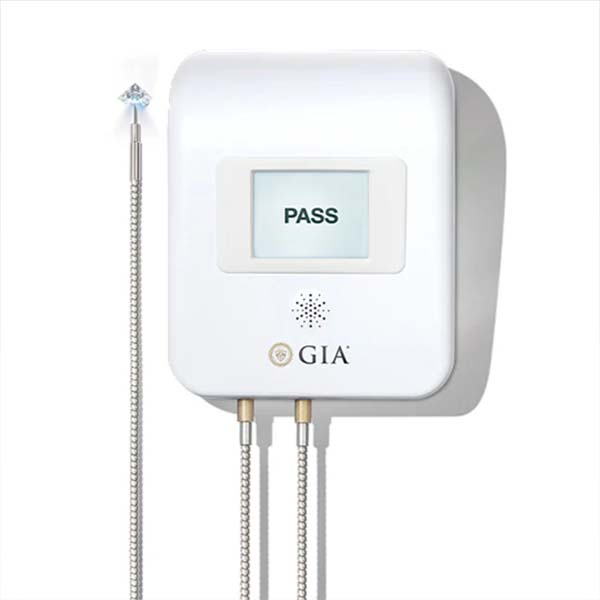
For the specialist trade, this means: natural and synthetic diamonds will in the future be even more clearly distinguished from one another – not only in origin but also in the language of assessment. In doing so, GIA creates a clear framework for positioning both product categories.
For jewelers, a dual opportunity arises: on one hand, they can advise more clearly and transparently; on the other hand, it offers the possibility to more strongly emphasize the value and uniqueness of natural diamonds in sales.
• The new grading system arrives at the end of 2025 – until then, the previous GIA services continue to apply.
• Reports retain their validity – already issued expert reports for lab-grown diamonds will remain recognized even after the changeover.
• Prices and submission guidelines for the new grading system are expected to be published by the end of Q3 2025.
• Reconsider assortment and consultation concepts – the new classification can influence argumentation, window display design, and price positioning.