Editor’s Note
This article examines growing customer concerns over Hertz’s use of AI vehicle scanners, which some renters report are resulting in disputed charges for minor damage.
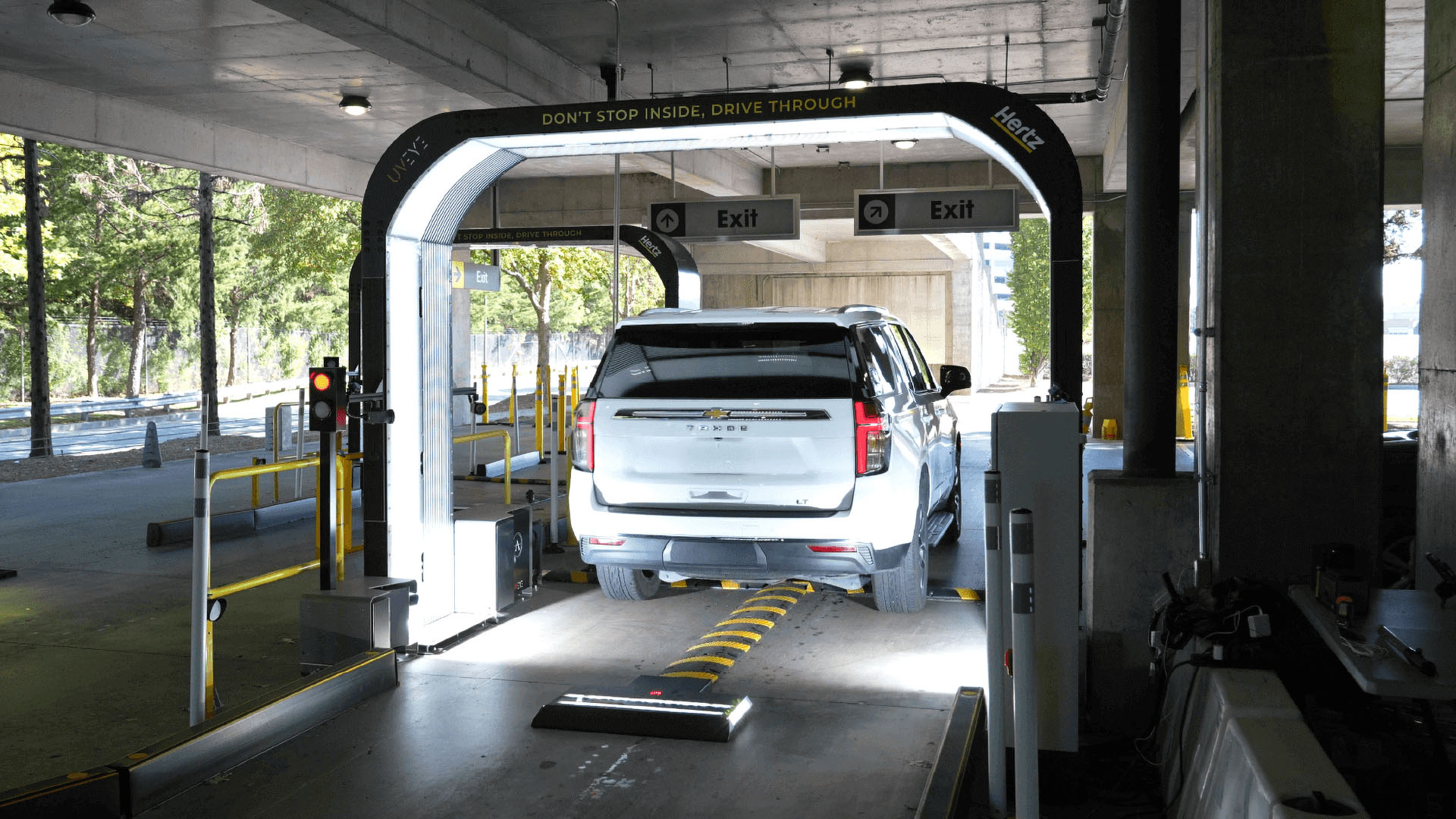
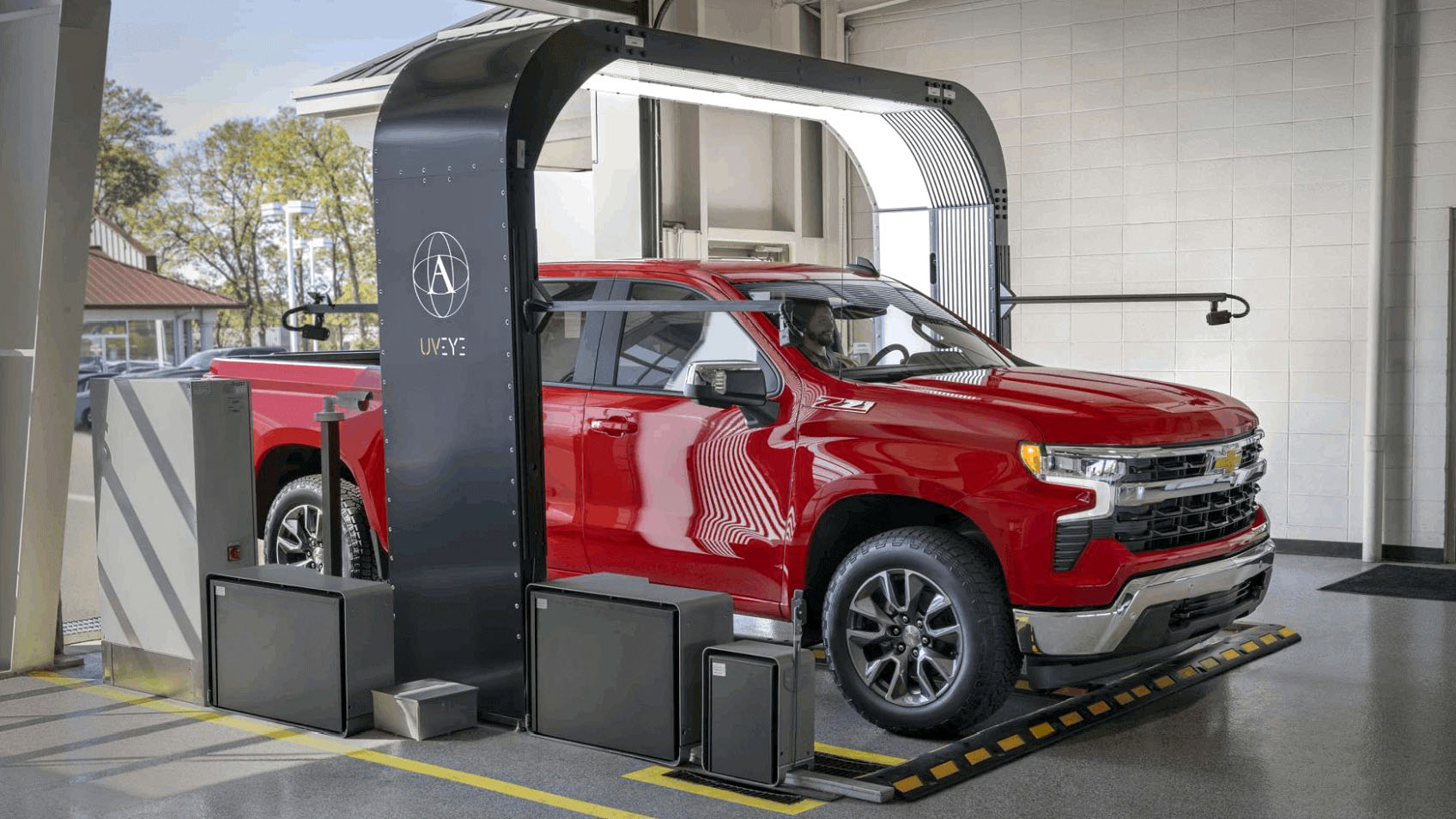
A reader wrote into The Drive to tell us about their experience renting from Hertz’s Atlanta airport location, and other similar stories have been making the rounds as well. They all seem to share a few things in common: A customer rents a vehicle from Hertz, and upon return, the scanner finds an insignificant blemish on the vehicle, leading to unexpectedly high charges that are often doubled through tacked-on administrative fees.
Given how these stories have proliferated, we thought it’d be helpful to offer a guide about what you can do to protect yourself from such situations. Some of the suggestions are more obvious than others, but the important thing to remember is that this technology is still new, and isn’t commonplace yet. Hertz and other rental car companies that use it may also adjust how they incorporate AI scanning going forward in light of these recent stories, so this topic is certainly evolving in real time. At the moment, here are some tactics we’d recommend.
This one is obvious, but it is truly the best way to avoid the cases we’ve covered: If you can, simply avoid lots that use these scanners. This will certainly become more difficult over time in Hertz’s case, as the company is currently rolling out UVeye equipment to more of its airport locations. Hertz has about 1,600 stores in airports all around the U.S., and it’s shooting for 100 of those to adopt AI inspection before the end of 2025. Currently, the locations that have it are Atlanta Hartsfield-Jackson, Charlotte Douglas, Houston George Bush, Newark Liberty, Phoenix Sky Harbor, and Tampa International.
In an ideal world, you could call up a Hertz airport location and get an answer from an employee on the ground as to whether their lot uses AI. This is exactly what I tried to do with five of the above stores. One took my message; two hung up the second that I pressed “2” to speak to a local rep; and the remaining two also encouraged me to leave a message, but I couldn’t because their mailboxes were full. Such is the experience of customer service in 2025.
If you’re struggling to get confirmation, as I was, you could try to avoid renting from Hertz or their brands Dollar and Thrifty at airports, and go with a different agency. The only other rental car company in the U.S. that has publicly adopted scanning is Sixt, though their “Car Gate” system works a little differently. Hertz’s scanners immediately charge customers for damages that they detect without human review; an agent only gets involved if a customer flags alleged damage using the company’s chatbot system. Sixt, however, says its employees review all AI-detected damage, and renters aren’t charged anything until they’ve had a look.
That seems like a more prudent approach than what Hertz has chosen, though we have not had any Sixt customers write in about their experiences with Car Gate yet. If you have, send an email to the tips address at the bottom of this article, or drop a comment.
Many people buy rental vehicle protection at the desk, but plenty of credit cards and auto insurance policies offer it as a benefit. People typically think of this insurance as only coming into play when you get into a crash, but these policies actually do cover expenses for minor damages; our reader who was charged $440 for a scratch on a rim could’ve filed a claim through their credit card company to cover the cost, provided that benefit was available to them. I spoke to a representative for a card that I carry, and they said that such incidents—like a cracked windshield, for example—are still termed as collisions with objects, and thus covered.
That said, not all forms of vehicle protection are equal. Hertz offers its own, of course, but it can be expensive on a per-day basis. (Plus, paying a company ahead of time to cover the cost of insignificant damages it might nickel-and-dime you for later seems like a net-zero gain for you as the consumer.) As Consumer Reports explains, many credit card coverage policies tend to be “secondary,” which means that they only apply after your personal auto policy is tapped; they also may lack liability coverage, though such incidents are outside the scope of a little scuff or dent, like we’re talking about here.
Ultimately, check with the company providing coverage before you rent, so that you’re fully aware of how they might (or might not) be able to help. A couple of things are generally universally true of credit card policies, though: To use them, you must deny the rental company’s coverage; you must pay for the full amount of the rental with that card; and you must rent a fairly normal vehicle. In the case of my card, a limo, cargo van or truck, “recreational” vehicle like a motorcycle, or “antiques” (defined as “cars over 20 years old or that have not been manufactured for 10 years or more”) aren’t eligible. Good to know the next time I try to track down a Honda S2000 on Turo.
In many of the cases we’ve seen, Hertz is identifying and charging for actual damage—it’s just really minor damage that most people wouldn’t notice or care about. The best defense is to have your own record of the vehicle’s condition before you drive off the lot. Some newer smartphones have LiDAR scanners that can create detailed 3D models, which could be useful. At the very least, take a comprehensive video walkaround of the car in good lighting, focusing on areas prone to damage like wheels, bumpers, and doors. This creates timestamped evidence you can use to dispute any unfair charges later.