Editor’s Note
In an era where many traditional retailers are struggling, TJX stands out as a remarkable success story. This article explores the unique business model and differentiation strategies that have propelled the off-price giant into what analysts are calling a “second golden age.”
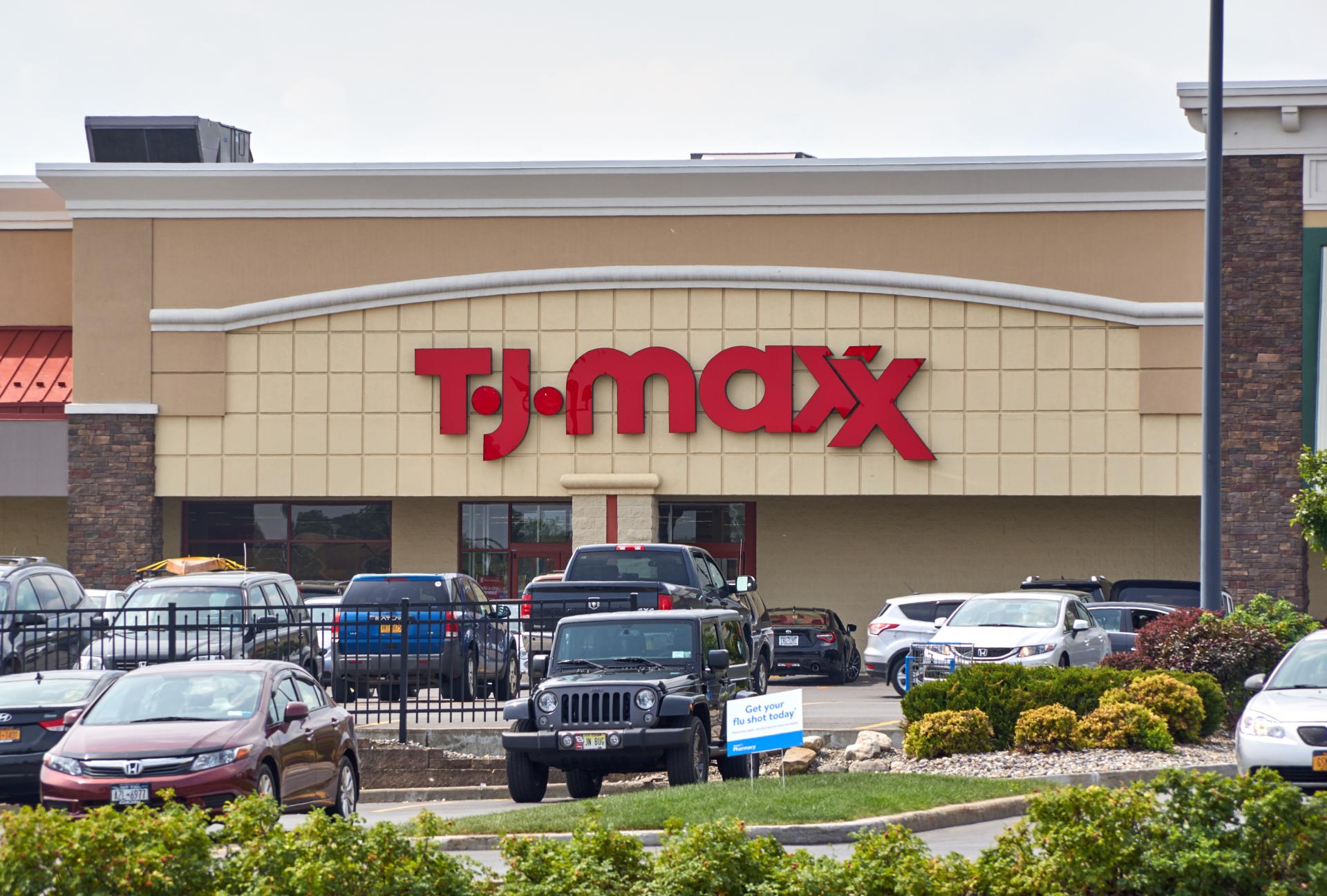
Traditional offline retailer TJX is experiencing a second golden age. Despite most retail companies struggling, TJX continues its growth trajectory. What business model and differentiation strategy is TJX employing to achieve this?
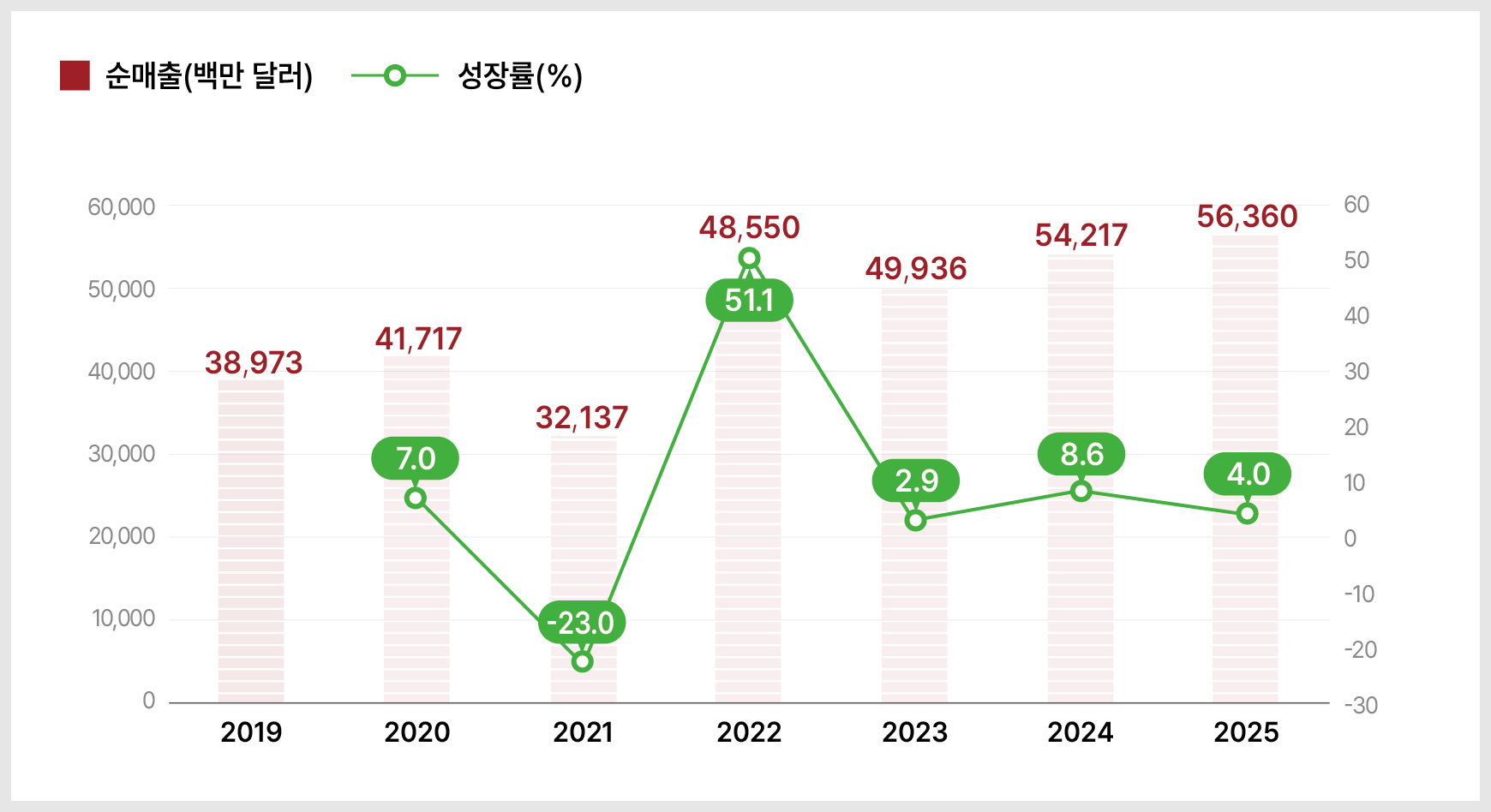
For the fiscal year ending February 1, TJX’s annual revenue increased 4% year-over-year to $56.4 billion. Operating profit rose 8.7% to $6.3 billion, exceeding market expectations. The operating profit margin also improved by 0.5 percentage points to 11.2%. According to Statista statistics released in March, TJX was the top seller of clothing in the United States in 2023 (based on retail sales).
TJX operates as an ‘Off-Price Store,’ selling luxury, mid-tier, and designer brand products at 20-60% discounts off the recommended retail price. Its product range is diverse, including apparel, bags, shoes, jewelry, home goods, cosmetics, and appliances. It has expanded to nine countries including the US, Canada, the UK, Germany, and Australia, operating seven store brands such as TJ Maxx, Marshalls, HomeGoods, Sierra, Homesense, TK Maxx, and Winners.

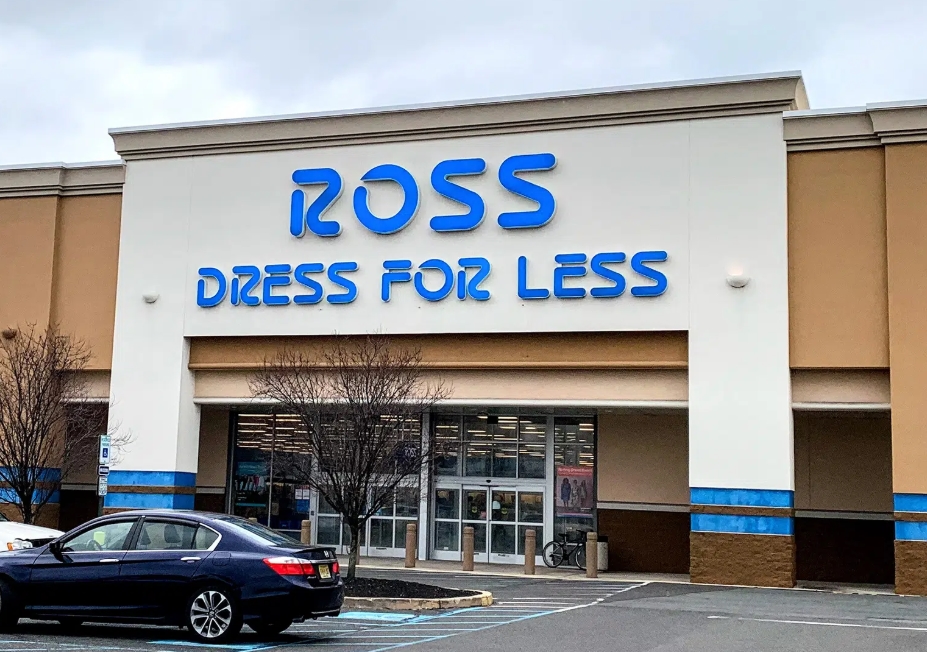
TJX’s revenue, which was $19 billion in 2009, has nearly tripled in 16 years. This remarkable growth is attributed to the value consumption trend post-2008 financial crisis and the decline of mid-to-low-priced US department stores. Mass customers who previously shopped at struggling department stores like Macy’s and JC Penney migrated to TJX as an alternative channel for affordable branded apparel. Consequently, while Macy’s and TJX revenues were similar in 2014 ($28.2B vs $29.5B), by 2024 the gap widened significantly ($20.3B vs $56.4B). Other off-price retailers like Ross and Burlington have also grown alongside TJX.
The industry believes the growth of off-price stores will continue due to increasing consumer price sensitivity and the entrenchment of value-oriented consumption. A McKinsey report (The State of Fashion 2025) indicates 64% of US consumers are practicing ‘downgrade consumption,’ choosing cheaper products. Interestingly, over 70% responded they would still shop at outlets or off-price stores for fashion items even as the economy recovers. This trend towards value-for-money and savings as the new normal is expected to sustain off-price store growth.
Herrman stated that while product prices might rise slightly if tariff-increased costs are passed on to retailers, it would “absolutely not be a problem” for TJX’s price competitiveness. This remark gained attention as it came shortly after Walmart indicated some price increases would be inevitable if tariffs were applied. Industry insiders note that if brand companies or department stores significantly increase product imports to avoid tariffs, the resulting excess inventory could become an opportunity for TJX. TJX’s flexible sourcing strategy is another reason it is less affected by inflation or tariff impacts.
Point 01. Agile Business Model: Opportunistic Buying
TJX’s business model is based on ‘opportunistic buying’—purchasing overstock, end-of-season goods, and returned items at low prices by spotting gaps in specific situations or transaction conditions. Simply put, it’s a strategy of ‘buying cheap and selling cheap when the opportunity arises.’ TJX negotiates to buy excess inventory from designers, manufacturers, and retailers at low prices and passes the savings to consumers, selling at up to 60% below recommended retail prices. Capturing these purchase opportunities across the entire supply chain is TJX’s expertise.
Point 02. Flexible Store Structure and Expansion Strategy: The ‘Treasure Hunt’ Experience
TJX’s operational flexibility applies not only to sourcing but also to stores. All TJX stores follow a ‘no frills’ format, minimizing physical divisions to easily expand or reduce product categories based on inventory, which also reduces operating costs. While TJX stores may seem cluttered compared to organized stores, the company emphasizes this setup is intentionally designed to create a ‘treasure hunt’ experience, targeting customers with high shopping efficacy who enjoy the hunt for finds.
Point 03. Driving Future Growth with Online Channels
Starting with the launch of TJMaxx.com in 2013, TJX now operates six online channels. Due to its business model, TJX has been relatively conservative in online mall operations, as real-time integration of in-store physical inventory is challenging. Online channels account for only 6% of total revenue. However, TJX is recently actively promoting and strengthening its online channels, implementing various features to replicate the treasure hunt shopping experience online as much as possible.