Editor’s Note
This article explores the shifting perceptions and growing market for sapphires, emeralds, and rubies in the U.S., as these classic colored gemstones shed the outdated “semi-precious” label.
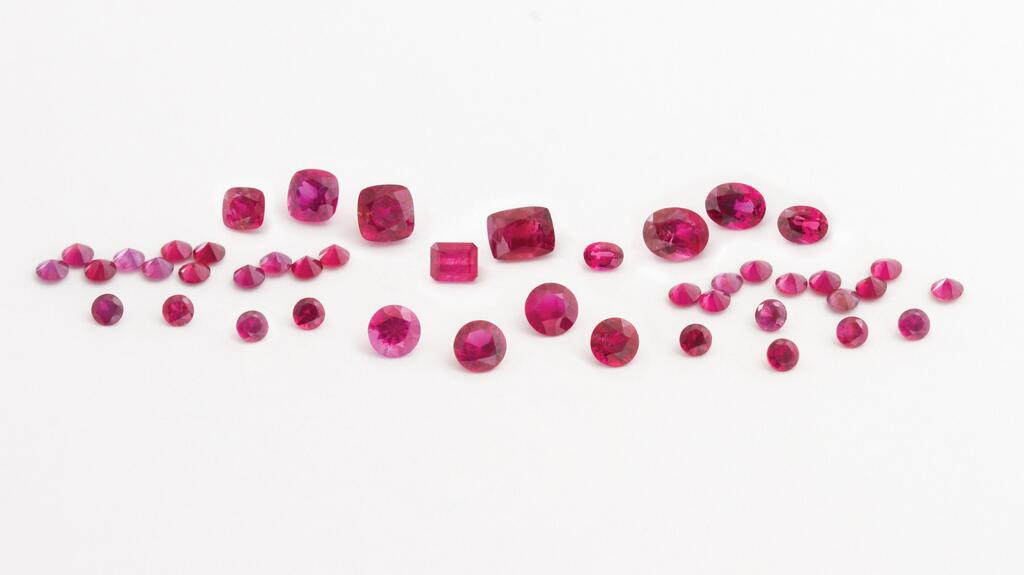
A selection of sapphires, emeralds, and rubies (Photo courtesy of Gemfields, which mines emeralds in Zambia and rubies in Mozambique)
Sapphires, emeralds, and rubies, the Big Three of the colored gemstone world, have long been revered for their beauty and rarity, coveted for centuries by consumers worldwide.
It wasn’t long ago that the designation of “precious” was reserved for only these three gemstones and diamonds, with everything else deemed to be “semi-precious.”
With a long history of association with royals, the terms Burmese ruby, Colombian emerald, and Kashmir sapphire are familiar references to the most valuable gemstones to exist, and many gem dealers still argue it’s simply just the truth.
The landscape around trading the Big Three is evolving, however, as mining technology advances, sources dry up (and new ones are discovered), tastes change, and the industry navigates complex global politics.
The U.S. market, driven in part by higher prices post-COVID and the lack of super-fine material available, has seen dealers recently adjust what they define, and can market, as valuable.
However, the finest untreated sapphires, rubies, and emeralds still command the highest prices of any gemstone, and the appetite for the best and the rarest remains strong.

A simple understanding of the law of supply and demand can explain why prices of the Big Three, in the finest quality, are skyrocketing, but there is some nuance.
Gemstone dealer and bespoke jeweler Simon Dussart of Asia Lounges explains. The loss of interest in this category, which he describes as eye-clean material, the bread-and-butter for the average self-purchaser, is affecting the mining business, Dussart says.
Since the pandemic, untreated fine sapphires have tripled in price, and Dussart says ruby was inaccessible for him even before the pandemic.
Today, untreated fine-quality ruby is exceedingly rare, making it basically a specialized market.
A museum-worthy set of rubies ranging in weight from 7.11-17.88 carats sourced from five different countries—Myanmar, Tajikistan, Thailand, Mozambique, and Madagascar—took longtime collector Jack Abraham more than 40 years to curate, he said in an interview with the American Gem Trade Association’s Prism magazine.
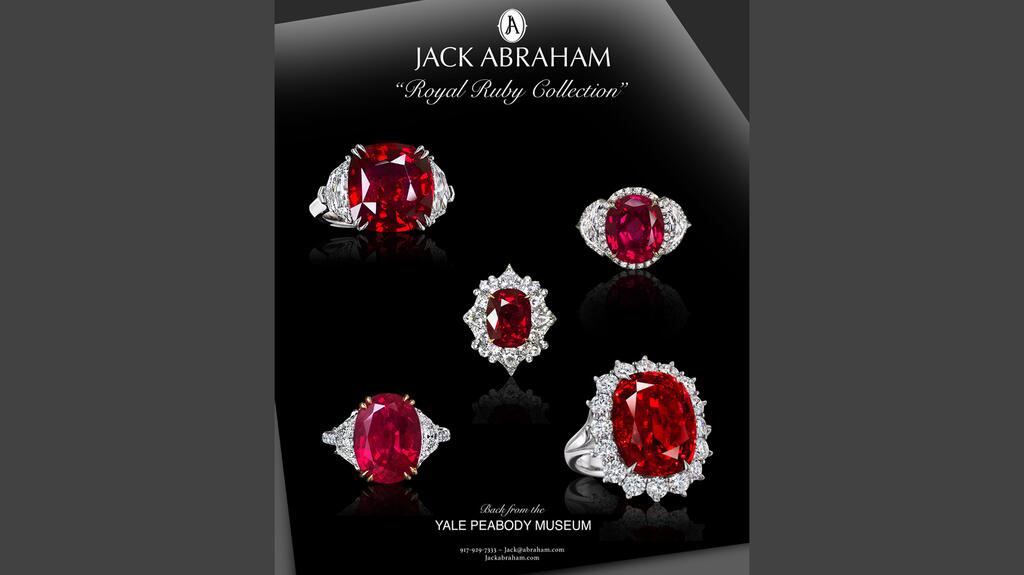
Jack Abraham’s quintet of unheated rubies from five different origins
To many in the trade, material from Myanmar’s (formerly Burma) Mogok Valley remains incomparable in quality, but production has decreased significantly.
Earlier this year, Gemfields published “Understanding the Global Supply of Emerald, Ruby and Sapphire.” The research reviews the evolution of colored gemstone supply over the past 40 years. It’s also an update to the mining company’s 2022 global market analysis of the Big Three.
The report stated that, as of 2009, more than 90 percent of the rubies with a price above $50,000 per carat auctioned at Christie’s were from Mogok, a testament to the material’s popularity and value.
According to Gemfields’ report, the drop in production can be explained by the depletion of the deposits—the Mogok Valley mines as well as the deposit discovered in 1992 in nearby Mong Hsu—but also the increase in privately owned mines, which aren’t obligated to report production.
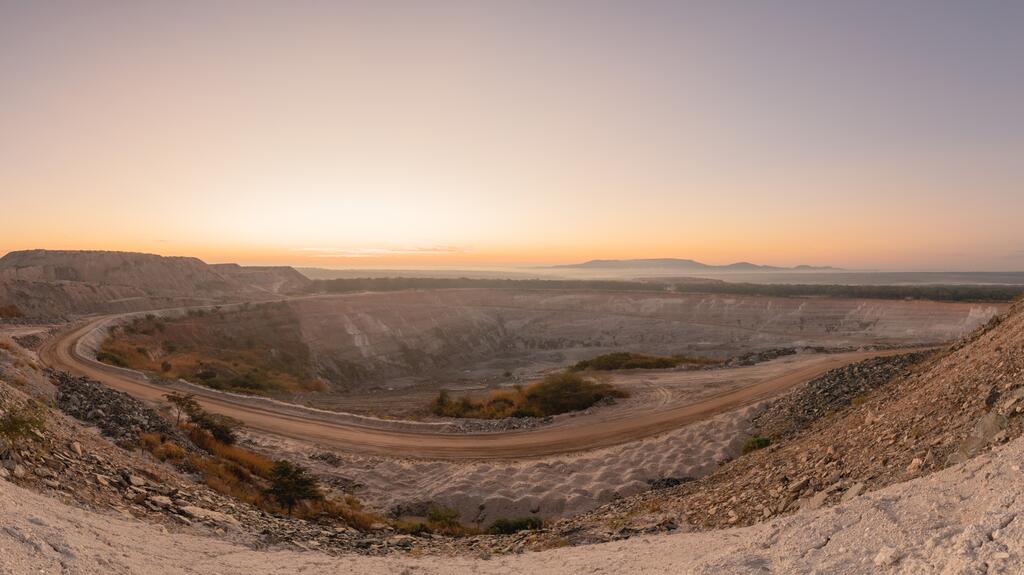
The main source of ruby production today comes from deposits in northeast Mozambique, which were discovered in the late 2000s.
Although Gemfields announced a record per-carat price ($321.94) from its December 2024 auction of mixed-quality rough rubies from its Montepuez mine, those who have been attending rough sales in the region report that, generally, the quality and quantity of the material are decreasing.
However, the mine remains the sole option for bigger brands that require coherence in material, such as precisely calibrated melee-size ruby with consistent color.
Rubies are also mined, on a much smaller scale, in pockets across several other countries, such as Vietnam, Tanzania, and Sri Lanka, as well as Afghanistan, though trading involving the latter poses some challenges for U.S. dealers.
Last year in Afghanistan, the Taliban, which took control of the country in 2021, indicated it was going to focus on minerals to help Afghanistan’s economy.
In 2022, the U.S. government issued a license allowing for economic activity in Afghanistan, as long as it was not linked to the Taliban or any persons or entities on the Office of Foreign Assets Control’s sanctions list.