Editor’s Note
This article highlights Zhuji’s pivotal role in the global pearl industry, detailing its substantial economic output and market share. It provides a concise overview of China’s freshwater pearl production landscape.
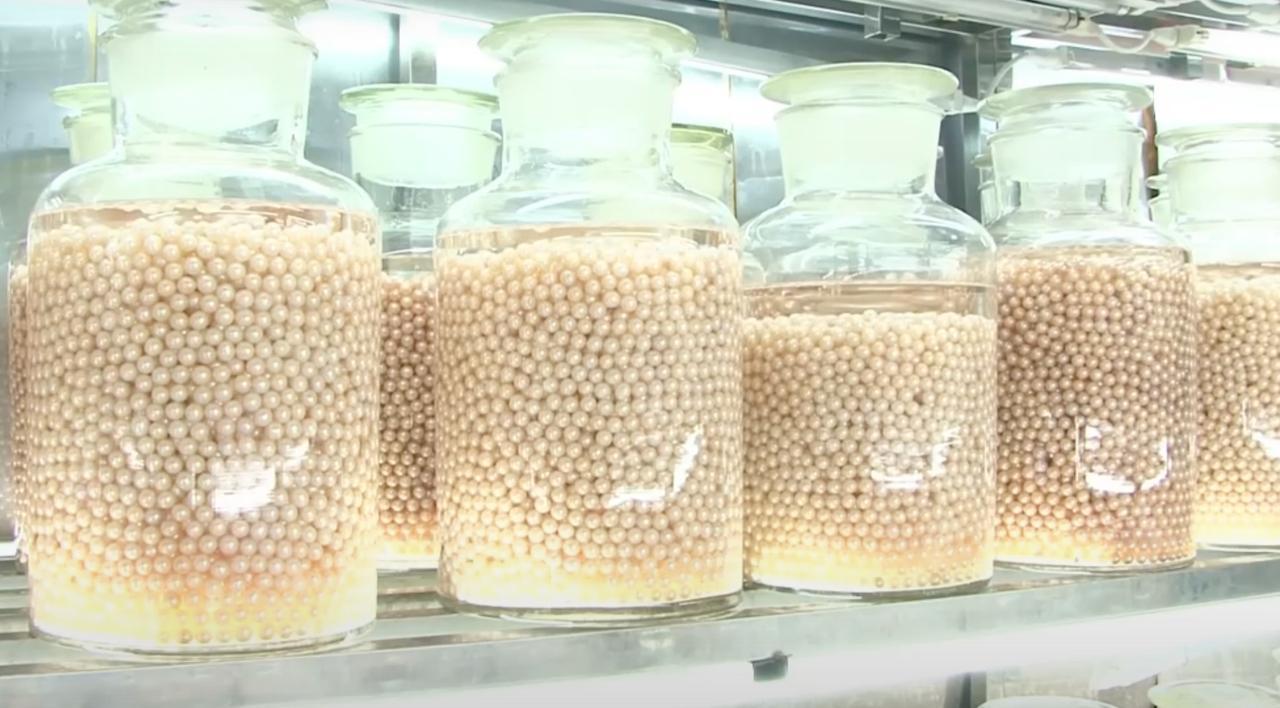
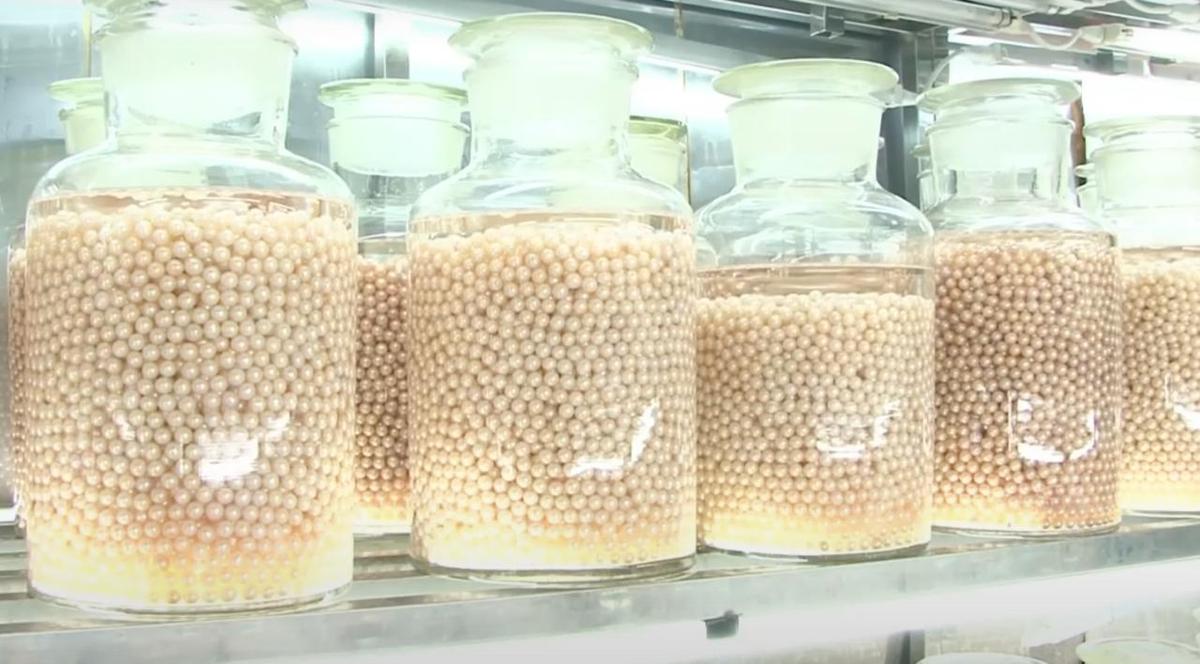
China produces approximately 70% of the world’s freshwater pearls, with Zhuji in Zhejiang province serving as the nerve center of this industry. In 2023, the city generated over 50 billion RMB (approximately 6.89 billion USD) in pearl sales, accounting for 80% of national sales. Other provinces, such as Jiangsu and Hubei, also contribute to production, as does Hainan for some marine cultivation.
These pearls primarily come from freshwater mollusks, particularly the Hyriopsis cumingii mussel, farmed in lakes, rivers, and artificial ponds. The mussels are manually inseminated using a graft (a fragment of biological tissue called epithelium) and often without a nucleus in the case of freshwater pearls. They are then placed in water for a growth cycle of 2 to 5 years. Once harvested, the pearls are cleaned, sorted by size, shape, luster, and color, then drilled and assembled. This process employs thousands of workers in specialized units, particularly in Zhuji, where industrial infrastructure ensures every step from cultivation to marketing.
In 2023, sales of pearl jewelry in China increased by approximately 46%, reaching 35 billion RMB (about 4.85 billion USD), accounting for 4% of the national jewelry market. This growth is largely attributed to the rise of live-streaming sales on digital platforms.
Companies like Yuanmei Pearl generated over 80% of their sales through live streaming in 2024, thanks to partnerships with platforms like Douyin and Taobao Live. Broadcasting centers have even been built in some wholesale markets to professionalize these online sales. Young Chinese consumers are also influenced by current aesthetic trends. On Xiaohongshu, a Chinese social media platform, numerous posts feature men and women wearing pearls in a casual or vintage style, moving away from the formal or ceremonial image often associated with this jewelry.
Industry professionals are betting on moving upmarket, both in terms of cultivation—developing rounder pearls with more subtle luster—and design. Local brands are investing in pearl cultivation research, particularly to extend the incubation period and improve natural luster without chemical treatment.
Internationally, Chinese pearls maintain a price advantage but seek to differentiate themselves further through quality and storytelling. Specialized trade shows like the Hong Kong International Jewellery Show, the Tokyo International Jewellery Exhibition (IJT), and the Bijorhca show in Paris serve as showcases for this new strategy. Stricter environmental standards are also being implemented. Since 2020, several provincial governments, notably in Zhejiang and Jiangsu, have strengthened regulations on pearl farms, imposing more frequent checks on pollution levels, effluent management, and the use of chemicals in cultivation ponds.