Editor’s Note
This article examines the phenomenon of “mission accomplished” designer departures, where creative leaders leave a brand after achieving a defined artistic vision. Using the cases of John Galliano at Maison Margiela and Jonathan Anderson, it explores how such exits, driven more by creative fulfillment than corporate strategy, can redefine a brand’s legacy and mark the end of a distinct chapter.
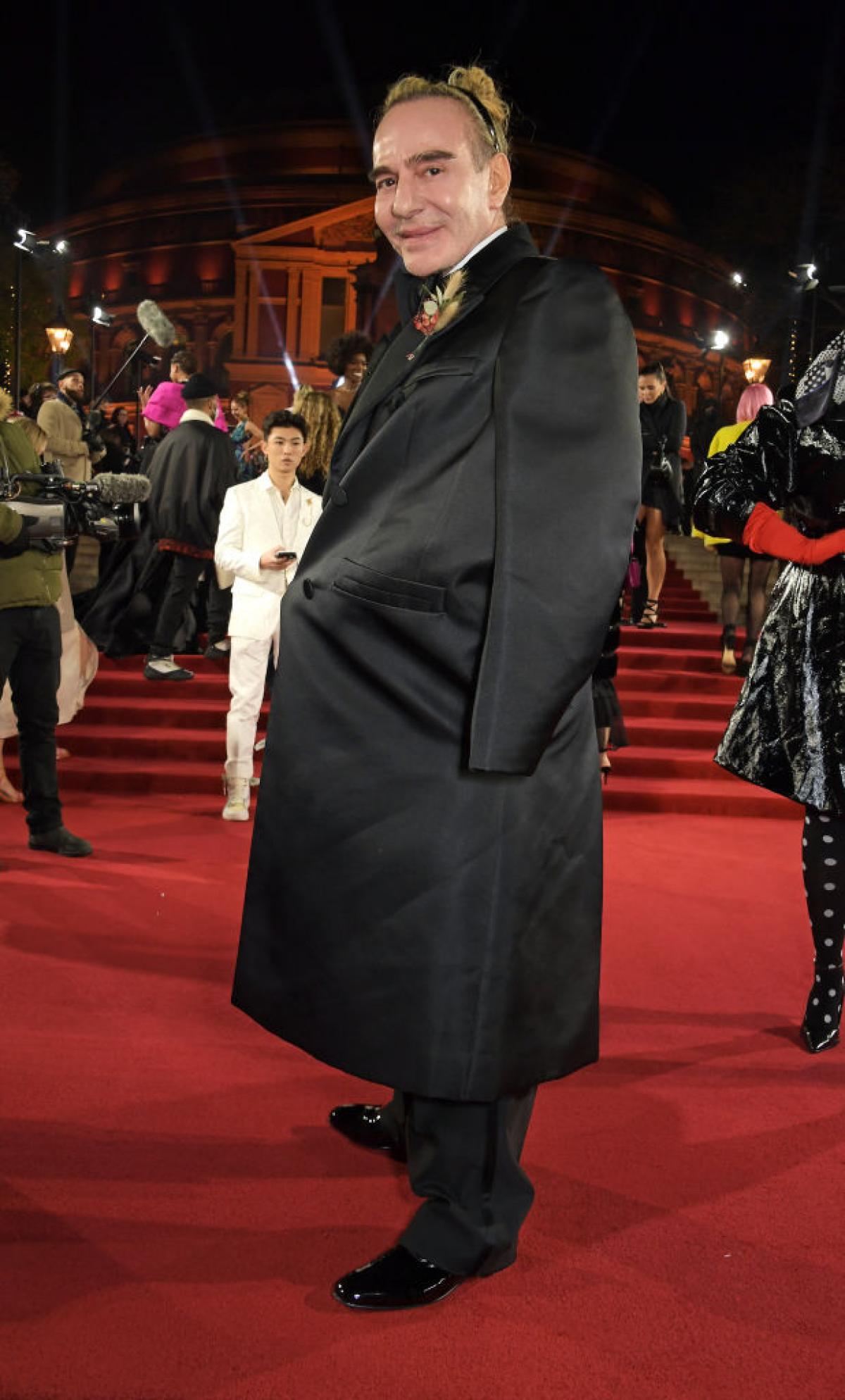
This category includes John Galliano and Jonathan Anderson.
This case can be described as more “spontaneous,” reflecting the designers’ own intentions rather than purely business considerations.
First, Galliano served as Artistic Director of Maison Margiela for exactly 10 years from 2014.
After the departure of the brand’s founding “legendary man,” Martin Margiela, a design team handled creation. The brand had a cult following as a mysterious, niche label, but Galliano’s artistry caused its popularity to explode. As a result of boosting performance,
He transformed the brand from “a niche label loved by fashion enthusiasts” into “an artistic brand captivating the masses.”
The brand name also changed from “Maison Martin Margiela” to “Maison Margiela.” In a sense, diluting the founder’s mythos also contributed to the brand’s “democratization.” It gained popularity among much younger generations, leading some original fans to feel it became “too mainstream.”
Regarding his departure, Galliano commented:
He described his relationship with Chairman Rosso as “family” and expressed gratitude, making this a rare example of an “amicable departure.” It seems he accomplished everything he set out to do at Margiela.
The other designer, Jonathan Anderson, made his name by leading Loewe to great success.
In 2013, Jonathan, then just 28 years old, became director of Loewe. At the time, he was not a widely renowned designer in the industry, and Loewe was a mid-sized brand with an image of “high quality but an older, conservative customer base.” However, his first collection caused a stir in the industry.
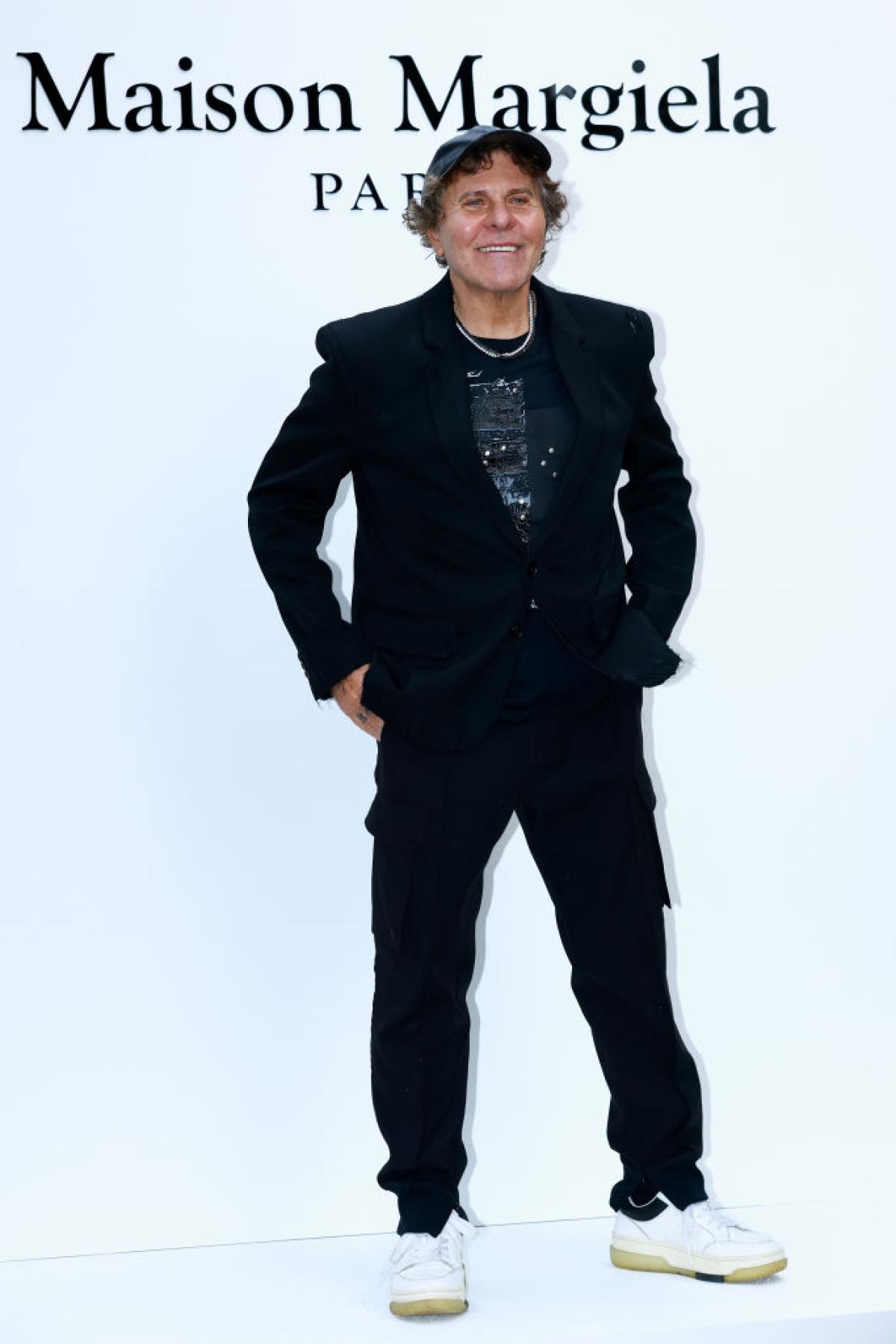
He introduced lightness and genderless elements into Loewe, which had been a heavyweight, traditional leather brand. This created a major shockwave.
In 2014, he teamed up with the Parisian design unit M/M (Paris) and revamped the brand logo. This logo, which also became popular as a brooch motif, significantly modernized Loewe’s image.
Its popularity continued to grow, with Loewe ranking first on a fashion search site in 2023. Initiatives like establishing the “LOEWE FOUNDATION Craft Prize” to promote traditional craftsmanship were also praised.
Regarding his departure, Jonathan stated:
Similar to Galliano, this conveys a sense of an “amicable departure” after accomplishing his goals. It’s heartwarming that both referred to their brands as “home.”
Now, moving on to the more severe cases that cool any warm feelings.
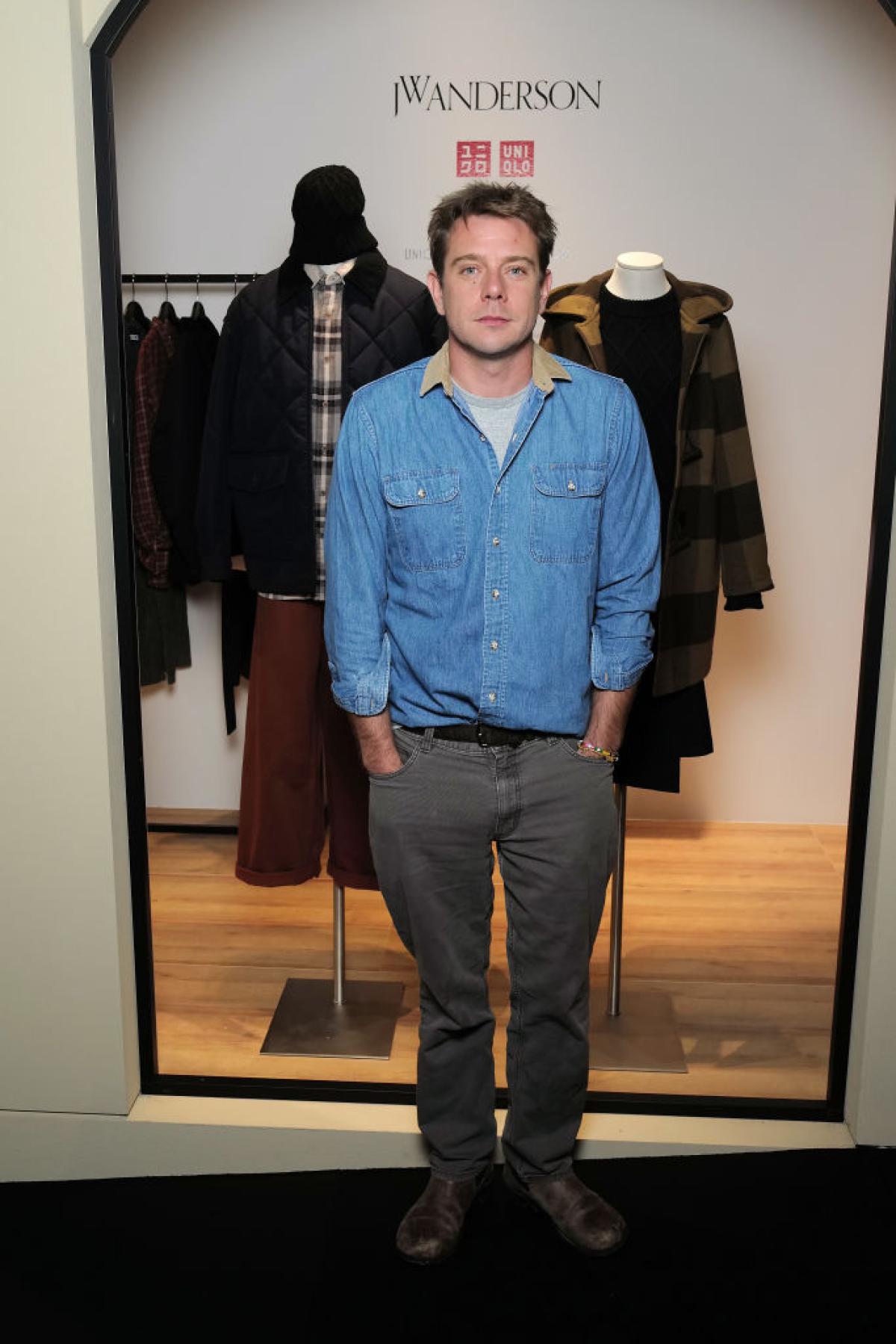
First is Donatella Versace of Versace.
Donatella, as part of the Versace family, took over from her brother Gianni and led the brand as director for about 30 years. However, after a gradual downturn from its bubble-era glory, the brand was sold to Michael Kors (now Capri Holdings) in 2018.
Furthermore, in Capri’s most recent financial results for the period April-September 2024, Versace’s sales declined by 22.0% to $420 million (approximately ¥65.5 billion), showing no sign of stopping the slump, leading to its acquisition by Prada.
From April, Donatella will assume the “honorary position” of Chief Brand Ambassador, while creative direction will be handled by Dario Vitale from Prada.
While many anticipated a creative partnership between Prada’s Miuccia Prada and Donatella, both she and Prada likely judged it was “time for a change.”
Recent trends favoring “Quiet Luxury,” a taste for subtle logos and designs, have also been a headwind for Versace. Attempts to adapt to this trend reportedly led to a loss of brand identity and further confusion, making a turnaround challenging.
The successor will need the skill to authentically translate Versace’s glamour. One can only say “thank you for your hard work” to Donatella.
Another major focus of attention is Gucci.
Sabato De Sarno departed after less than two years, and Demna Gvasalia of Balenciaga was named as his successor.
However, when De Sarno initially took the role, Gucci was in a very difficult position.
His predecessor, Alessandro Michele, broke from traditional Gucci with a glamorous, genderless direction, sparking a “New Gucci” frenzy. Along with a return to the fashion forefront, he drove sales growth from €3.5 billion in 2014 to €9.7 billion in 2021.
However, growth rates recently slowed to single-digit percentages. Whispers that “Michele is just repeating himself” emerged, with particular market fatigue noted in China, which was initially enthusiastic. Michele’s designs were polarizing, and as the fan base shrank, it couldn’t be recovered.
Thus, in 2023, the decision was made to change designers, but this did not yield results. In the Q4 2024 financial results,
It recorded a significant negative figure, and with no expected improvement thereafter, it was time to say “thank you for your efforts.”
Honestly, following Michele who had “accomplished his mission,” anyone would have faced difficulties. Personally, I liked De Sarno’s simple yet sharp designs, but it was likely judged that a major recovery was not in sight.
Recently, it was announced that Demna Gvasalia would take over the challenging situation at Gucci.
Demna became Creative Director of Balenciaga in 2015. He dramatically changed the brand’s image with creations fusing streetwear and luxury, building its prosperity as a youth-supported brand with items like the “Triple S” sneakers.
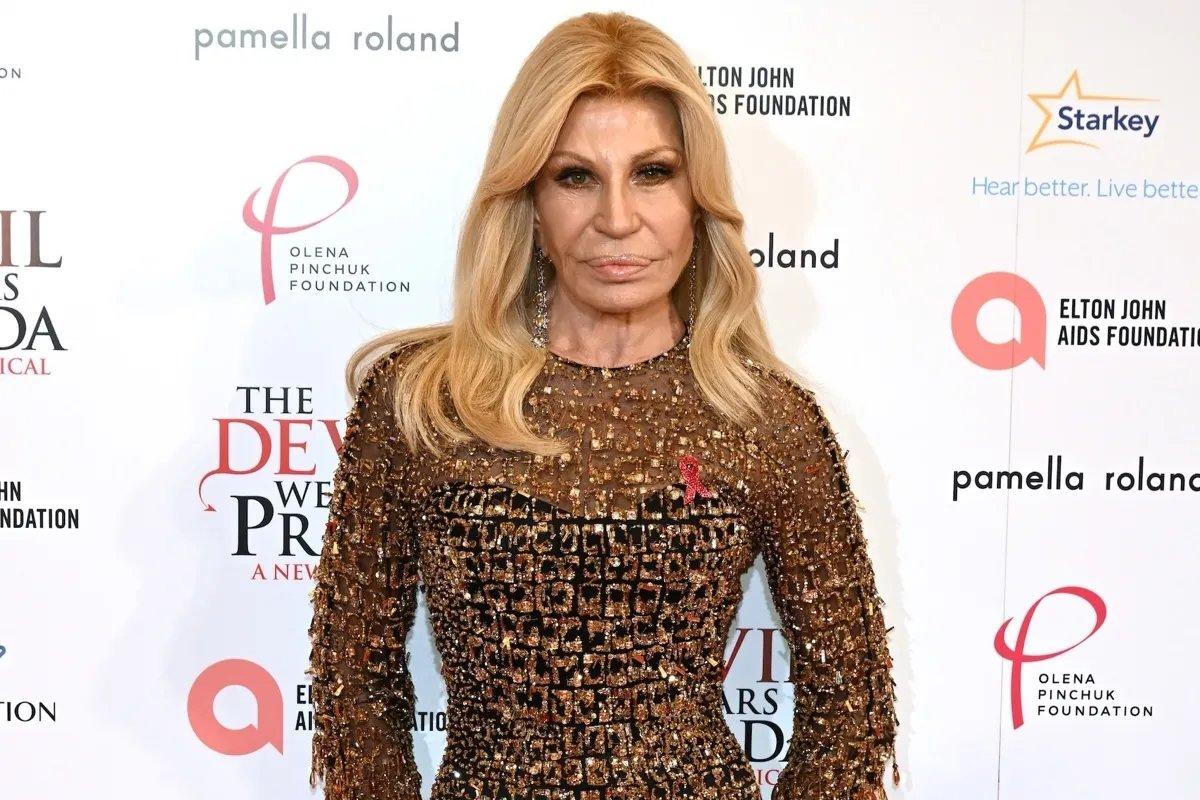
Demna’s origins trace back to his own brand, Vetements (meaning “clothing” in French), launched in 2014. Items boldly featuring the DHL logo gained attention and popularity, and this approach was utilized at Balenciaga with ideas like using IKEA motifs.