Editor’s Note
This article explores the accelerating global economic transformation and the rising strategic importance of minerals. As traditional markets face uncertainty, these geological resources are becoming pivotal assets for the future.
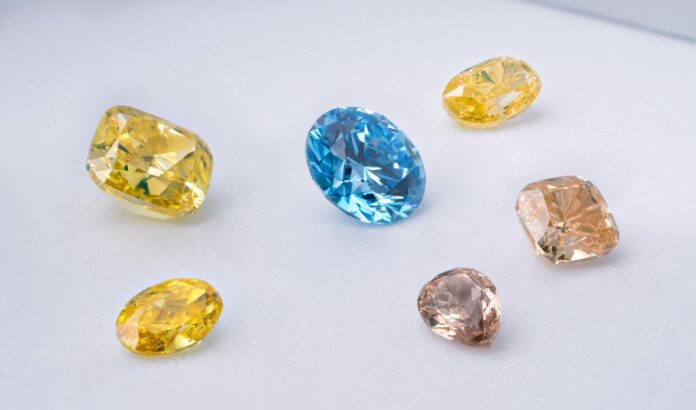
The global economy is undergoing one of the most accelerated transformation processes in recent decades. While traditional markets face uncertainty, a new protagonist is emerging from the depths of the Earth: minerals. Formed over millions of years under exceptional geological conditions, these resources are recording unprecedented increases in value and are shaping up to be the most coveted assets for 2026.
The value of these minerals depends not only on their beauty or commercial demand, but on their real geological scarcity, a factor that financial markets are beginning to seriously consider. The combination of rarity, certification, and traceability is leading investors and family estates to look at mineral resources as a strategic component of diversification, indicates Jairo Vergara, a gemologist at Hemenster.
Given this outlook, many experts have pointed out that growing technological demand and the energy transition are completely reconfiguring the international financial map.
It is for this reason that Hemenster, a gem house with a track record in high jewelry, presents the five minerals that are already revolutionizing markets and could change the global economy next year.
The combination of high hardness, scarcity, and natural color makes ruby one of the most appreciated minerals in the last decade. Certified rubies of proven geological origin have seen sustained increases due to the reduction of active deposits and their growing demand in fine jewelry and technology applications, which is why it is considered one of the most sought-after gems on the market.
Emerald deposits with unique formation processes, closed fractures, and high chromatic content are increasingly limited. Traceability and certification have become key factors for their valuation, increasing their appeal to estate investors seeking tangible assets with stable growth.
This mineral presents one of the most appreciated optical phenomena in the world: it changes color due to rare pressure and temperature conditions. This is why its scarcity is so pronounced and global annual production is minimal. In recent years, alexandrite has rapidly climbed in value, becoming one of the most promising gems for 2026.
This precious stone is formed in ancient volcanic events and possesses unique physical characteristics that increase its durability and brilliance. Its diversity of colors and the decrease in certified deposits are driving its international quotation. Specialists estimate that its valuation will continue due to its growing use in watchmaking, optical technology, and luxury jewelry.
Red, pink, blue, and yellow diamonds, produced by extremely rare geological alterations, have become one of the most limited resources on the planet. Following the closure of several major deposits, their availability is increasingly reduced and their price continues to rise. These diamonds are expected to consolidate as one of the most solid assets globally during 2026.