Editor’s Note
This article explores the shifting landscape of men’s jewelry, moving beyond traditional items to reflect more sophisticated consumer tastes and driving significant market growth.
The choices of this generation of male consumers reflect more mature aesthetic judgment and social awareness. Long confined to functional and ceremonial contexts like cufflinks and wedding bands, men’s jewelry is now experiencing a structural rise. According to the latest data from Polaris Market Research, the global jewelry market reached $286.15 billion in 2025 and is expected to continue expanding at a compound annual growth rate (CAGR) of 8.7% between 2026 and 2034. Notably, the men’s jewelry segment is growing at a CAGR of 9.9%, significantly higher than the industry average. This growth is not primarily driven by gifting but by a sustained increase in men’s proactive purchasing. As gender boundaries blur and modern masculinity is reshaped, jewelry is transforming from an accessory into a crucial medium for self-narrative and identity expression.
points out Bertrand Mak, founder of the art jewelry brand SAUVEREIGN. This cultural and consumer mindset shift is pushing brands to accelerate their tilt towards male consumers in design language, material selection, and market communication, gradually giving rise to a series of long-term trend evolutions.
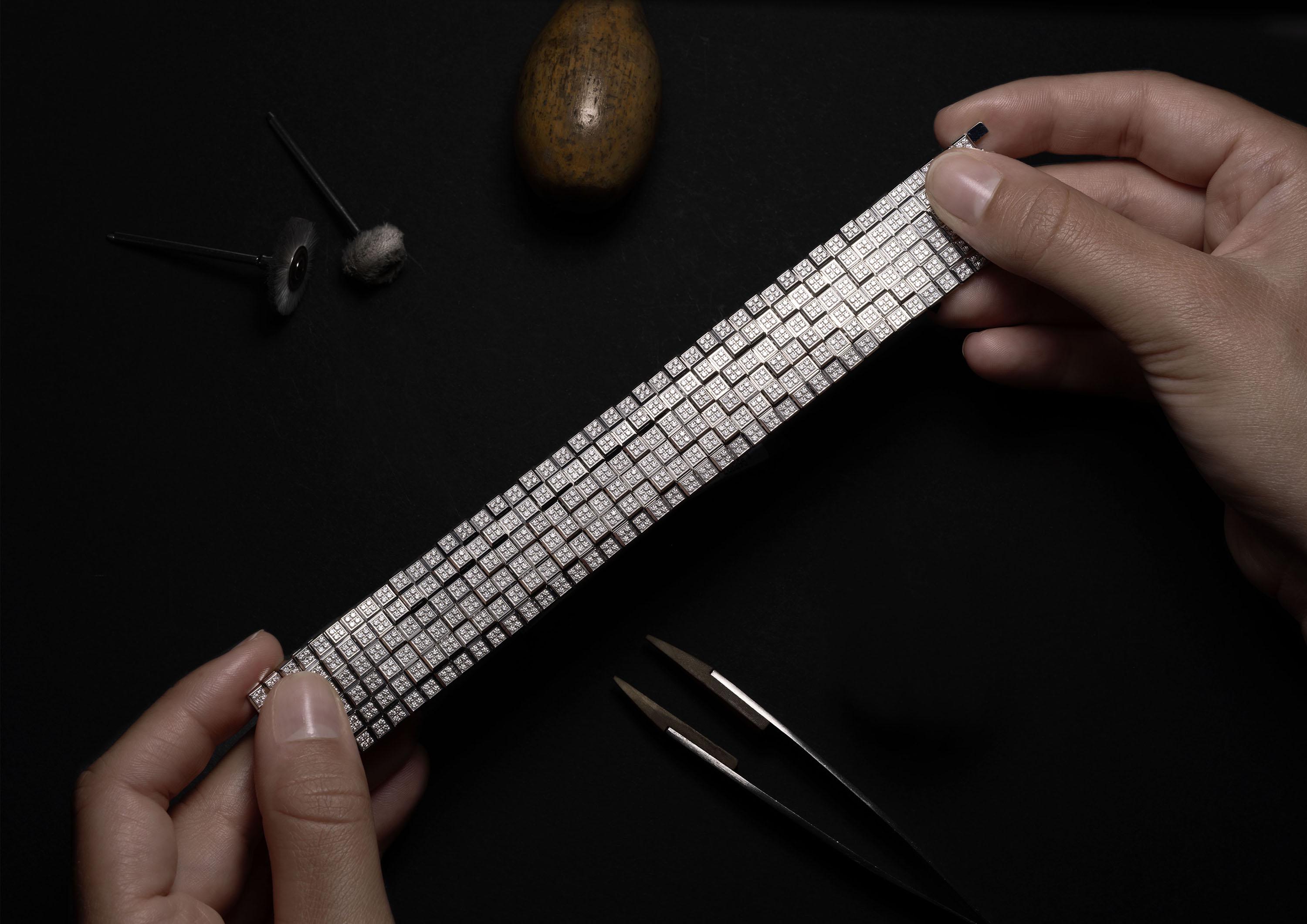
Laura Kay, founder of the London boutique Tomfoolery, observes that jewelry is evolving towards an “architectural structure.” The flow of lines, rhythm of undulations, and relationship of volumes are no longer mere visual rhetoric but a joint expression of craftsmanship precision and formal tension. Curves from nature, asymmetrical constructions, and irregular contours are systematically translated into jewelry design, endowing pieces with artistic tension while fulfilling their wearable function. The core of such design is not complex accumulation but emphasizes the aesthetic logic of “form as power.” Whether drawing from Art Deco in a retro context or reconstructing structural order with contemporary expression, men’s jewelry with larger volumes and clearer contours is blurring the line between decoration and art, shifting from a supporting role to a dominant element in styling.
Historically, pearls were seen as highly gendered gemstones, closely tied to weddings, elegance, and conservative aesthetics. However, this perception is being completely rewritten in recent years. As Bertrand Mak states,
The natural texture, irregular shapes, and complex luster of pearls inject a warmth and tension distinct from metals into contemporary men’s accessories. Compared to traditional white pearls, more men are opting for pearls with iridescence and darker tones, often layered with industrial elements like thick chains and aged metals, creating a unique language that balances strength and softness. Pearls are becoming one of the most culturally contrasting yet attention-grabbing materials in the men’s accessory system.
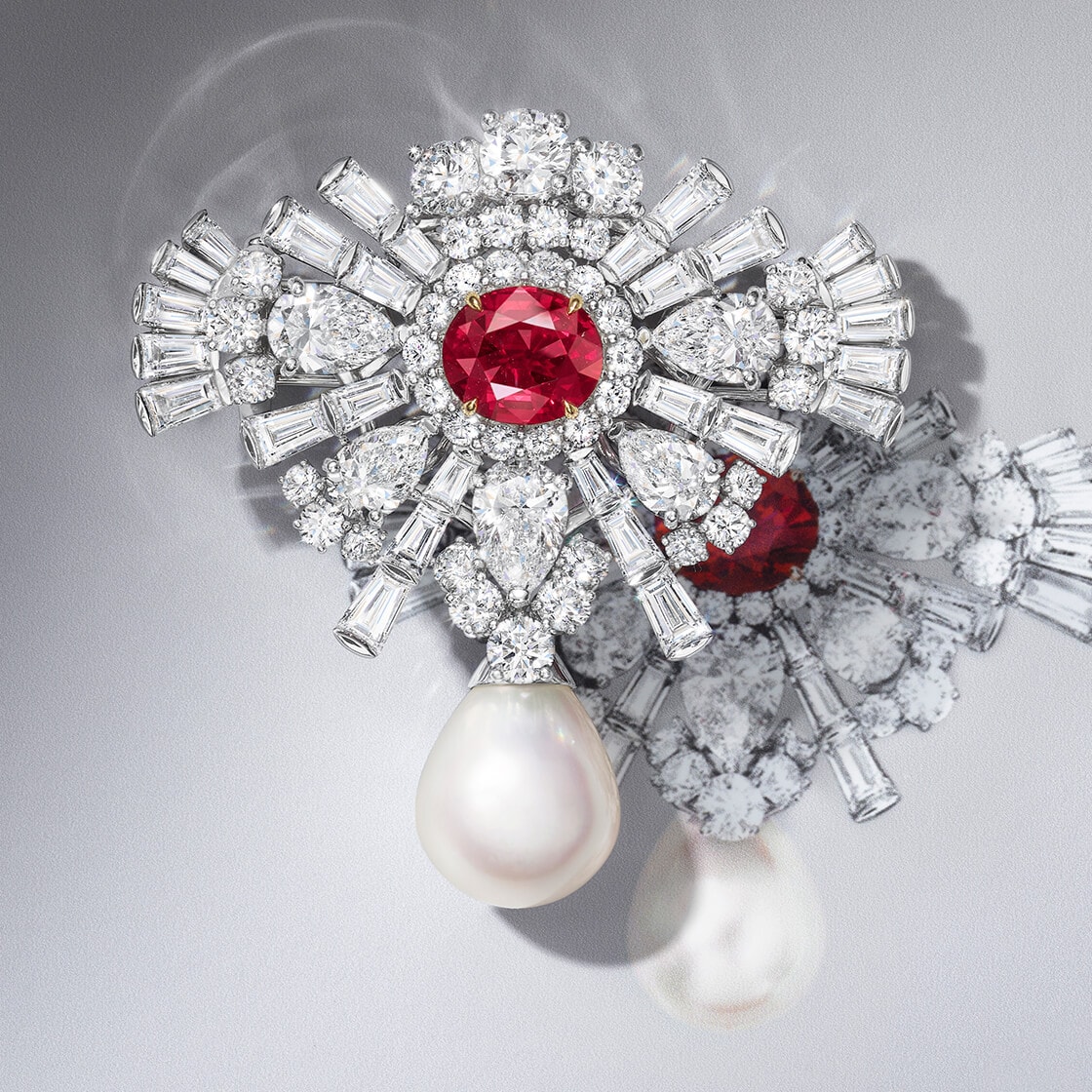
Once considered a retro formalwear accessory, the brooch is making a comeback in men’s fashion in a more contemporary way. According to Pinterest’s 2026 trend forecast, searches for “brooch aesthetic” increased by 110% year-over-year, primarily driven by Millennial and Baby Boomer men. In an era dominated by minimalist daily wear, brooches are gradually becoming an important accessory for highlighting personality and style judgment. This trend is not just data-driven; at the 2026 Golden Globes red carpet, brooches almost became the most recognizable visual focus in men’s styling, providing more expressive space for otherwise restrained suit lapels and serving as a key carrier for showcasing sartorial details and taste.
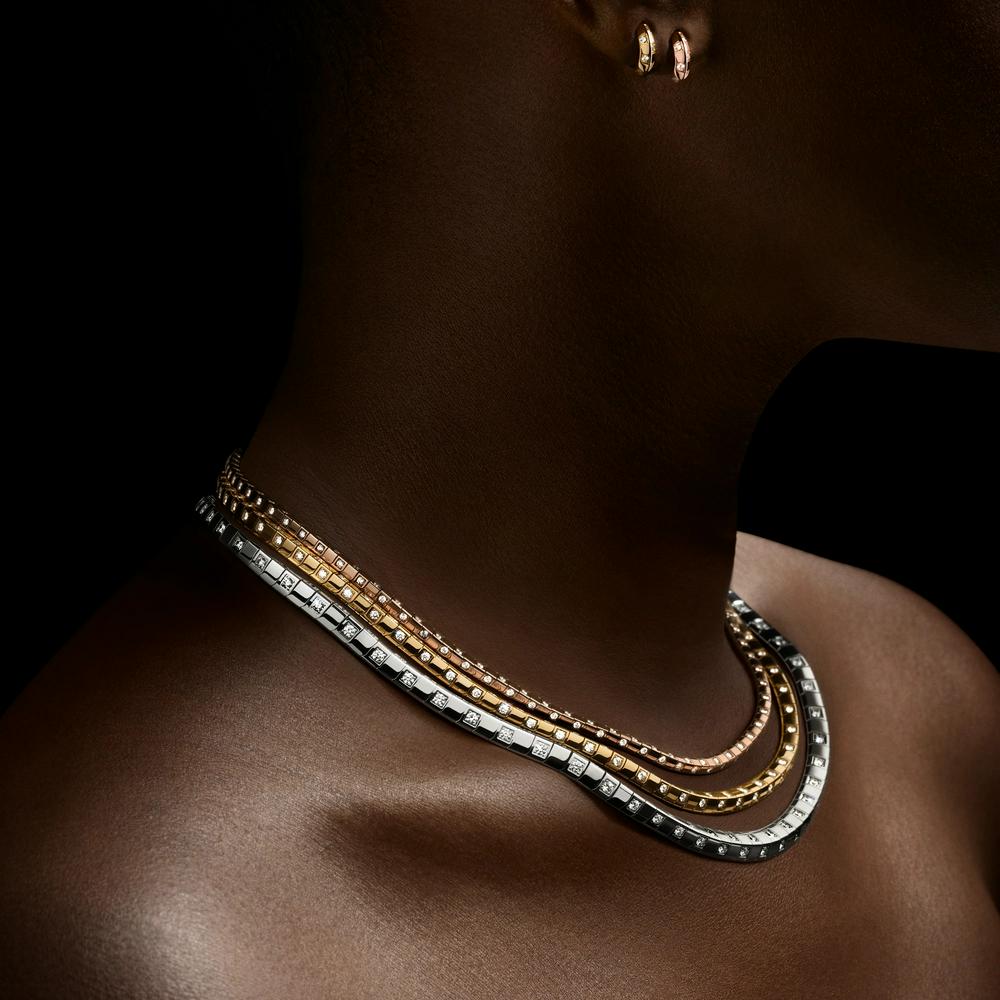
Contemporary men’s jewelry design is gradually moving away from reliance on a single metal, with mixed metals becoming a new path to building stylistic layers. Gold is no longer the sole protagonist; the juxtaposition and combination of white gold, silver, rose gold, and other materials enhance the flexibility of accessories in styling and expand wearing scenarios and possibilities. The popularity of the layering trend has further propelled the development of mixed-metal styles. The material contrast and tonal differences of multiple metals add more rhythm and depth to a look. Marisa Hordern, founder of the British jewelry brand Missoma, notes that the strong return of silver on runways and red carpets has sparked consumer interest in metal mixing. Mixed-metal designs not only blur gender boundaries but also serve as an entry-friendly, freely combinable wearing strategy.
According to forecasts by market research firm Business Research Insights, the global sustainable jewelry market is expected to reach $97.8 billion by 2032. This growth is primarily driven by Millennials and Gen Z, who are more concerned with ethical sourcing, environmental responsibility, and supply chain transparency. Eliza Walters, founder of the sustainable jewelry brand Lylie Jewelry, points out that an increasing number of male clients actively inquire about material sources, production methods, and brands’ environmental commitments when selecting accessories.
she emphasizes, noting that behind this generation’s consumption behavior lies more mature social awareness and aesthetic judgment.