Editor’s Note
This article explores the growing market for lab-grown diamonds and their impact on the natural diamond industry. As the piece explains, these stones are physically and chemically identical to their mined counterparts, representing a significant shift in consumer choice and market dynamics.
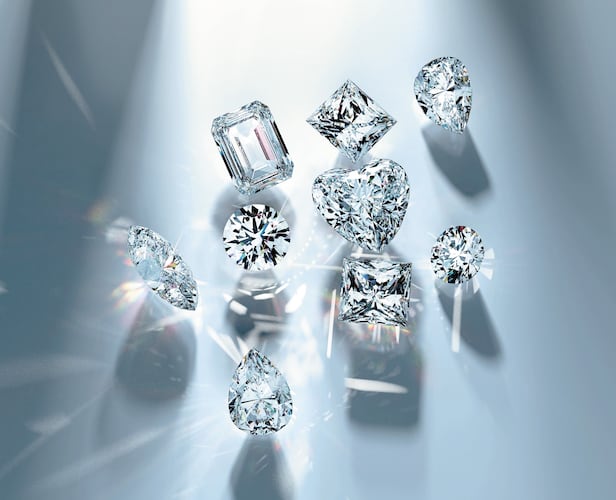
The sharp decline in natural diamond prices is attributed to the rise of lab-grown diamonds. Known as “lab diamonds” or “lab-grown diamonds,” these are diamonds created in laboratory settings.
Lab diamonds are not fake. They share the same composition, crystal structure, hardness, and optical properties as natural diamonds. While natural diamonds form over millions to billions of years under high pressure and temperature 120–200 km below the Earth’s surface, lab diamonds replicate this process in weeks—just 2–6 weeks. They are produced by placing small diamonds in high-pressure, high-temperature chambers or by injecting methane or hydrogen gas into vacuum containers to grow them.
A decade ago, lab diamonds were only about 10% cheaper than natural diamonds, but technological advancements and increased production have reduced their price to just 10–20% of natural diamonds today. This price drop has significantly boosted their market share. According to diamond analyst Paul Zimniski, lab diamonds accounted for only 1% of the total diamond market in 2015 but rose to approximately 20% last year.

The explosive growth of lab diamonds aligns with a shift among younger consumers toward prioritizing cost-effectiveness.
citing “consumers seeking more affordable options” as the key factor.

Celebrities have also fueled this trend. Figures like Meghan Markle, Taylor Swift, and Emma Watson frequently wear lab-grown diamond products, reinforcing the perception that there is no need to insist on natural diamonds. Luxury brands are joining the market as well. Fred, a jewelry subsidiary of LVMH (Moët Hennessy Louis Vuitton), launched a lab-grown diamond collection in 2023, and Prada also introduced a collection featuring lab-grown diamonds.
The shift is reflected in data. A survey by The Knot, a U.S. wedding company, of over 17,000 couples married last year and this year found that 52% of respondents reported their engagement rings contained lab-grown diamonds—a first-time majority. This marks a 6% increase from last year’s survey and a 40% rise compared to 2019. The average cost of engagement rings for couples has decreased from $6,000 in 2021 to $5,200 last year due to the popularity of lab-grown diamonds.
Ethical and environmental concerns associated with natural diamond mining also drive younger consumers toward lab-grown alternatives.

De Beers, the world’s largest diamond company and creator of the slogan “A Diamond is Forever,” is facing its biggest crisis in over 130 years due to the popularity of lab-grown diamonds and the resulting decline in natural diamond prices. Last year, its sales dropped by 23%, and it accumulated $2 billion in unsold inventory, pushing it to the brink of liquidation.
Botswana, a key partner of De Beers and responsible for 70% of natural diamond production, has entered a period of economic contraction. The country’s economy shrank by 3% last year as diamond-related revenue plummeted. The World Bank projects Botswana’s GDP will decline by 0.8% this year. Despite much of its territory being desert, Botswana prospered due to diamond mining, becoming one of Africa’s seven highest-income nations with free education and healthcare. However, with diamonds accounting for about 30% of fiscal revenue and 75% of foreign exchange earnings, the crisis in the diamond industry has shaken the entire national economy.