Editor’s Note
This article is based on data released by UNCTAD on May 6, 2025, detailing the 4.8% year-on-year rise in global commodity prices for March 2025, primarily fueled by strong demand for minerals and metals.
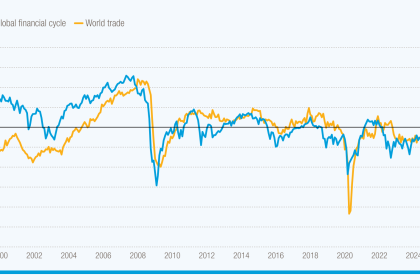
Global commodity prices increased by 4.8% year-on-year in March 2025, driven by sustained demand for minerals and metals, according to new data published on May 6 by the UN Conference on Trade and Development (UNCTAD).
Prices for minerals, ores, and metals surged by 23.6% year-on-year, reaching a record level. Precious metals led the increase, soaring by 37.4% compared to March 2024.
Increases were also recorded for food products (+6.6%) and agricultural raw materials (+3.1%). In contrast, fuel prices fell by 3.0% over the same period, weighing on the overall trend.
Overall, commodity prices decreased by 2.3% in 2024, continuing their decline from the peak reached in 2022. However, excluding fuels, the UNCTAD Commodity Price Index reached its highest level ever recorded, reflecting strong demand for raw materials needed for the global energy and digital transitions.
The minerals, ores, and metals group includes critical minerals such as copper, lithium, nickel, and cobalt – key elements for electric vehicles, solar panels, artificial intelligence infrastructure, and other advanced technologies.
These minerals are becoming strategic resources, influencing trade, investment, and development trajectories. Tracking their price evolution is essential as global needs evolve.
UNCTAD’s latest Global Trade Update examines copper, presented as a case study for critical mineral trade.
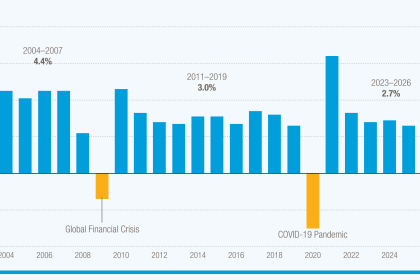
To meet estimated needs, 80 new mines would need to be opened and $250 billion in investments mobilized by 2030.
More than half of the world’s copper reserves are concentrated in only five countries, raising concerns about supply concentration. Mining development timelines – which can take up to 25 years – declining copper ore grades, and rising geopolitical tensions further exacerbate the difficulties.
The report warns that an imminent copper shortage could hinder the transition to clean energy and digital technologies. It argues for accelerating permits, strengthening partnerships, and diversifying trade to bridge the gap.
UNCTAD also calls for more targeted trade and industrial policies to enable copper-rich developing countries to move up the value chain.
However, the bulk of the added value lies in processed products – such as the production of copper wires, tubes, and sheets.
To progress in the value chain, countries must invest in refining, processing, and manufacturing. The report recommends increasing local value addition, developing recycling, and eliminating trade barriers that limit opportunities.
More than just a simple metal, it is present in our phones, homes, and cars – quietly infiltrating our daily lives. As demand for renewable technologies, such as solar panels and electric cars, continues to increase, copper is becoming a major asset.