Editor’s Note
The global proliferation of synthetic drugs, as highlighted in this INCB report, represents a critical public health emergency. Their potency and the rising death toll demand urgent, coordinated international action.
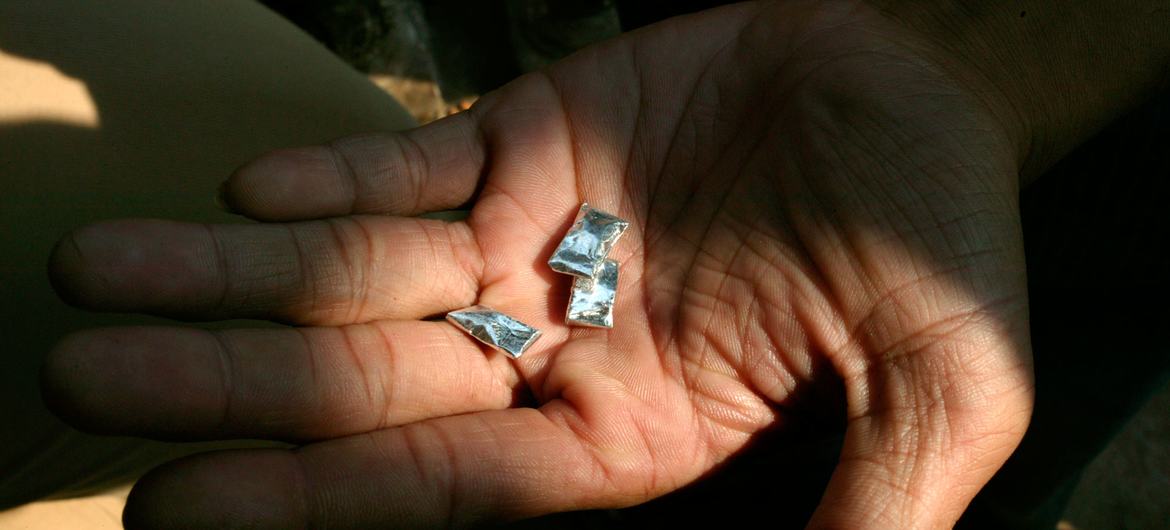
The International Narcotics Control Board (INCB) published a new report on Tuesday, stating that the rapid spread of illicit synthetic drugs is a deadly problem posing a serious threat to public health. The Board calls for a comprehensive and coordinated strategy to combat the manufacture, trafficking, and consumption of illicit synthetic drugs. These drugs tend to be more potent than plant-based ones and have become a problem with increasing demand and hundreds of thousands of overdose deaths annually.
Imposed restrictions drive manufacturers to create new compounds by altering molecular structures or to use uncontrolled or “masked” chemical additive designs, which are not listed in national or international control systems. For example, pseudoephedrine, found in common cold medicines, has dual use as it also has a legitimate medical purpose, making regulation difficult without affecting legal markets.
explained the President of the Board, Jallal Toufiq, because some of these synthetic substances pose risks to cardiovascular health and can cause psychological and physical dependence and substance use disorders.
In the United States, 150 deaths related to synthetic opioid overdoses occur daily, with fentanyl responsible for over two-thirds of those deaths.
Meanwhile, in the Middle East and Africa, the manufacture, trafficking, and consumption of amphetamine-type stimulants are accelerating. However, resources for drug treatment and rehabilitation programs in these regions are limited, which could lead to severe and long-term harm to individuals, as well as significant problems for healthcare sectors that are not sufficiently prepared.
Many low- and middle-income countries have insufficient capacity regarding drug analysis laboratories and lack the personnel and resources needed to conduct routine inspections that could lead to seizures and the dismantling of trafficking networks. In many countries, demand reduction and treatment services are limited, and there are hardly any awareness campaigns to educate at-risk communities about synthetic drug use.
Furthermore, the problem of inequality in access to and availability of affordable medicines, such as morphine, persists, according to Board data. Levels of opioid consumption for pain treatment remain much higher in Western and Central Europe, North America, and Oceania than in other regions. Consumption levels in other regions are insufficient to adequately meet the medical needs of populations. In 2023, this was particularly concerning in East and Southeast Asia, Central America and the Caribbean, South Asia, and Africa.
The Board urges opioid-manufacturing countries to increase the production of morphine preparations for use in pain treatment and palliative care and to expand their availability and make them more affordable, particularly in low- and middle-income countries. Additionally, ensuring access to internationally controlled substances for medical purposes during humanitarian emergencies caused by armed conflicts remains a concern for the Board.
Drug trafficking is hindering development in Central America and the Caribbean, while the opioid crisis remains a serious problem for North American countries. Moreover, urban drug-related violence continues to affect South America.
While Peru recorded the first decline in illicit coca bush cultivation in eight years, Colombia’s reached a new historical record. The country’s potential cocaine production increased by 53% between 2022 and 2023.
Drug seizures in the Amazonian states of Brazil increased between 2022 and 2023, parallel to a decrease in the deforestation rate. This is believed to be the result of increased government presence.
Illicit drug-related activities and associated environmental crimes continue to generate violence and threaten vulnerable populations and biodiversity throughout South America, especially in the Amazon region.
Through the drug control treaties that underpin the international drug control system, UN agencies and Member States have cooperated on early warning and prevention systems and science-based health responses and have increased the capacity to disrupt the illicit trafficking of drugs and precursors.