Editor’s Note
This article examines the strategic restructuring of Farfetch under its new owner, Coupang. The focus is on the company’s shift back to its core marketplace model and cost discipline in pursuit of profitability.
After South Korean e-commerce giant Coupang completed its acquisition of Farfetch’s business and assets — backed by a $500 million capital infusion — the luxury marketplace entered a period of significant restructuring aimed at returning the business to profitability. Under new ownership, Farfetch narrowed its focus on its core marketplace model and disciplined cost structure, cutting overhead, streamlining operations and exiting unprofitable ventures such as its white-label commerce solutions and non-core software services. This shift helped Farfetch narrow losses and position the platform for steadier growth, with executives noting disciplined investment and operational focus as key to its turnaround.
These moves illustrate a pivot away from rapid, unfocused expansion toward a leaner model that cuts losses, strengthens fundamentals and lays groundwork for a more sustainable scale.

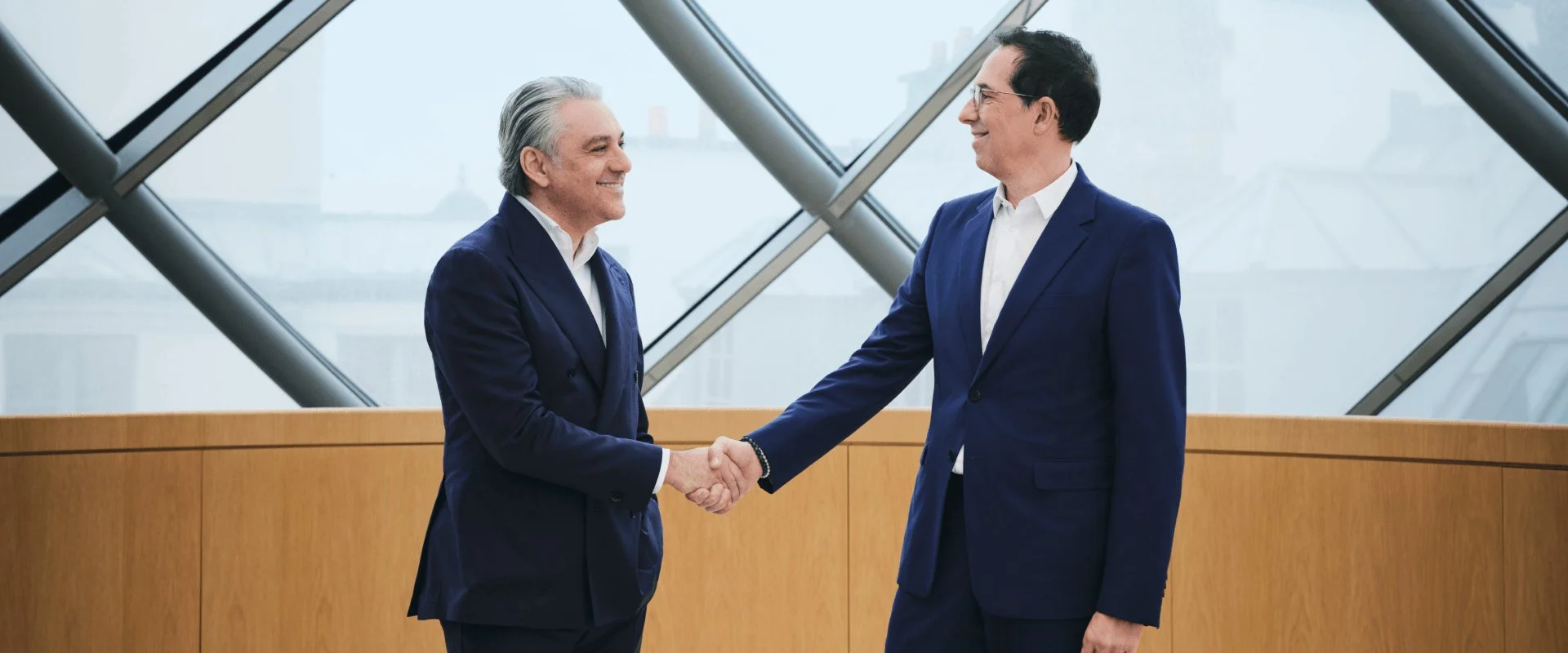
In October 2025, Kering and L’Oréal announced a landmark partnership in the beauty and wellness sector, with L’Oréal agreeing to acquire Kering’s luxury beauty operations — including the renowned fragrance house Creed — in a EUR 4 billion strategic deal. Under the terms, L’Oréal also secures 50-year exclusive licences to develop, produce and distribute fragrance and beauty products for Kering’s flagship fashion houses such as Gucci, Balenciaga and Bottega Veneta, beginning once existing agreements (such as Gucci’s current contract with Coty) expire. The alliance is designed to leverage L’Oréal’s global reach and operational expertise in beauty while providing Kering with capital to refocus its portfolio and improve its balance sheet amid slowing fashion demand.