Editor’s Note
This article explores how artist Sunny Jackson uses blockchain technology to bring radical transparency to the art world, tracking her ethically sourced materials from mine to collector. It highlights a growing trend of integrating technology to redefine authenticity and value in creative industries.
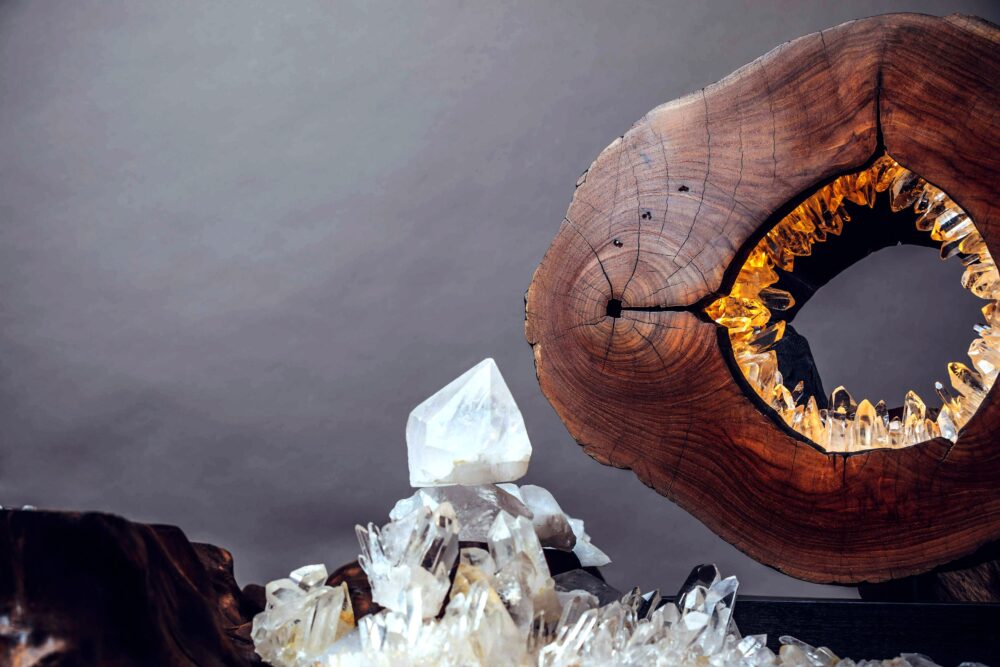
Bali-based American artist Sunny Jackson creates sculptural lighting pieces that merge crystal, wood, and light into energy-infused forms. She uses blockchain to provide sourcing transparency, expressing the evolution of luxury and the art industry.
Sunny Jackson works with ethically sourced quartz crystals from artisanal miners in the Himalayan region of northern Pakistan.
Every crystal’s journey from mine to collector is tracked and verified through Provenance Proof blockchain technology developed by Gübelin Gem Lab in Switzerland.
Each artwork includes an NFT documenting the crystal’s mine origin, extraction date, and full journey to her Bali studio and ultimately to its collector.
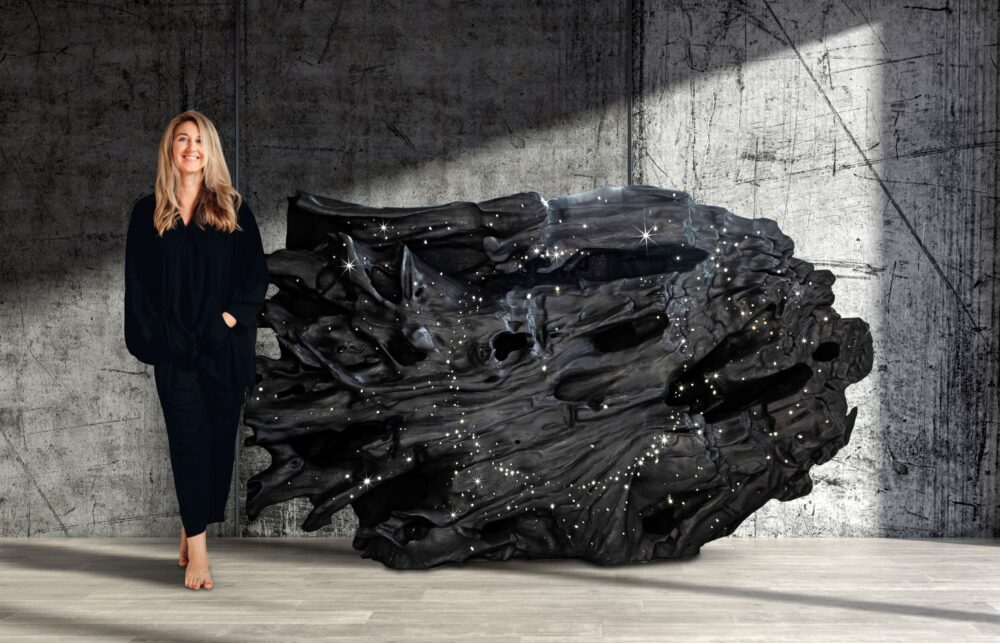
She’s among the first artists to integrate blockchain transparency into contemporary sculpture, offering collectors a level of provenance and integrity rarely seen in the art world.
Blockchain technology is increasingly seen as a game changer in the art world, promising transparency, ownership verification, and new financial opportunities. As the decentralized, immutable nature of blockchain eliminates the traditional opacity of the art market, artists and collectors alike find assurance in open platforms filled with due diligence records. Beyond digital art, blockchain’s potential to trace the origins of physical materials is redefining the perception of luxury and authenticity.
One artist exemplifying this evolution is Bali-based American sculptor Sunny Jackson. Known for her energy-infused lighting sculptures that merge crystal, wood, and light, Jackson is at the forefront of integrating blockchain into physical art. Recently, she made headlines by partnering with Provenance Proof, a blockchain platform developed by the Gübelin Gem Lab in Switzerland.
Through this partnership, Jackson ensures that every crystal’s journey from mine to masterpiece is immutably recorded, offering collectors an unprecedented level of provenance and authenticity. By blending artistic craftsmanship with digital verification, Jackson sets a new standard for transparency in the luxury art market.
Sunny Jackson’s use of blockchain represents a pioneering effort to merge physical art with digital verification. Each of her sculptures includes an NFT linked to a blockchain record that details the crystal’s mine origin, extraction date, and path to the final collector. This meticulous documentation not only enhances the value of her work but also aligns with a growing demand for transparency in high-end art.
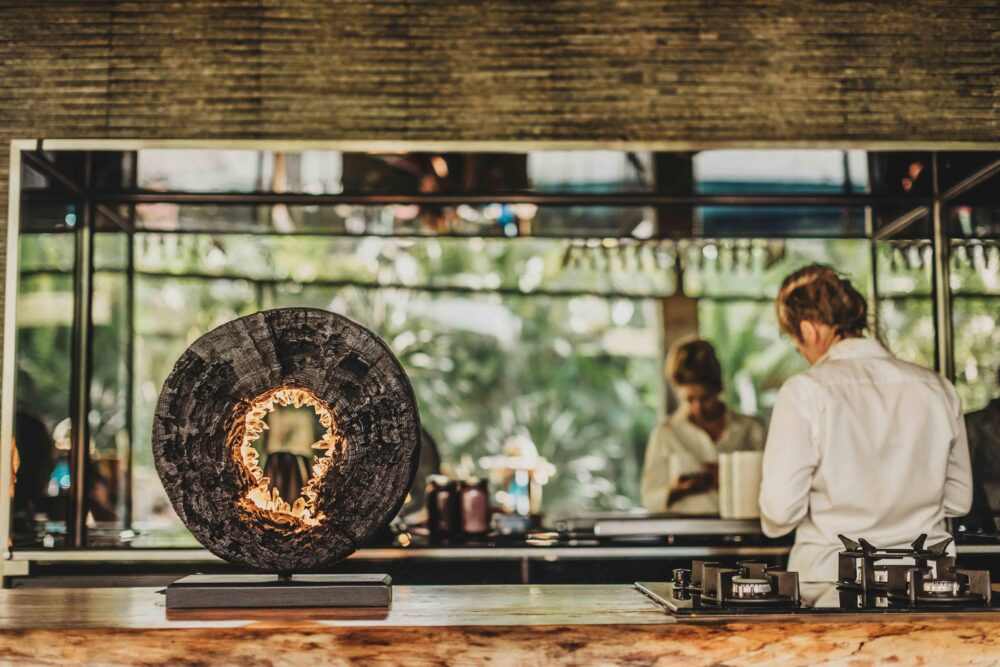
While blockchain technology is often associated with finance or digital assets, Jackson’s approach reveals its potential within the art world. By guaranteeing the authenticity and ethical origins of each piece, she challenges traditional notions of luxury, suggesting that beauty must be aligned with integrity.
Jackson’s commitment to ethical sourcing extends beyond technological integration. Working with artisanal miners from northern Pakistan’s Himalayan region, she ensures that the crystals used in her sculptures are obtained responsibly. These miners, who work at high altitudes with minimal machinery, follow sustainable practices that naturally reduce environmental impact. By partnering exclusively with miners tied to recognized local associations, Jackson also guarantees that her work supports the communities involved.