Editor’s Note
India is set to chair the Kimberley Process from 2025, reinforcing its pivotal role in ensuring a conflict-free global diamond trade. This leadership position underscores the nation’s commitment to ethical sourcing and supply chain integrity.
India will assume the chairmanship of the Kimberley Process (KP) from January 1, 2025, marking the third time the country has been entrusted with leading this critical global initiative. The Commerce Ministry announced this development on December 25, highlighting India’s continued commitment to eliminating conflict diamonds from the international supply chain.
The Kimberley Process represents a joint initiative involving governments, industry stakeholders, and civil society organizations working together to control the flow of conflict diamonds. These diamonds, as defined by United Nations Security Council resolutions, are rough diamonds used by rebel groups or their allies to finance conflicts that undermine legitimate governments worldwide.
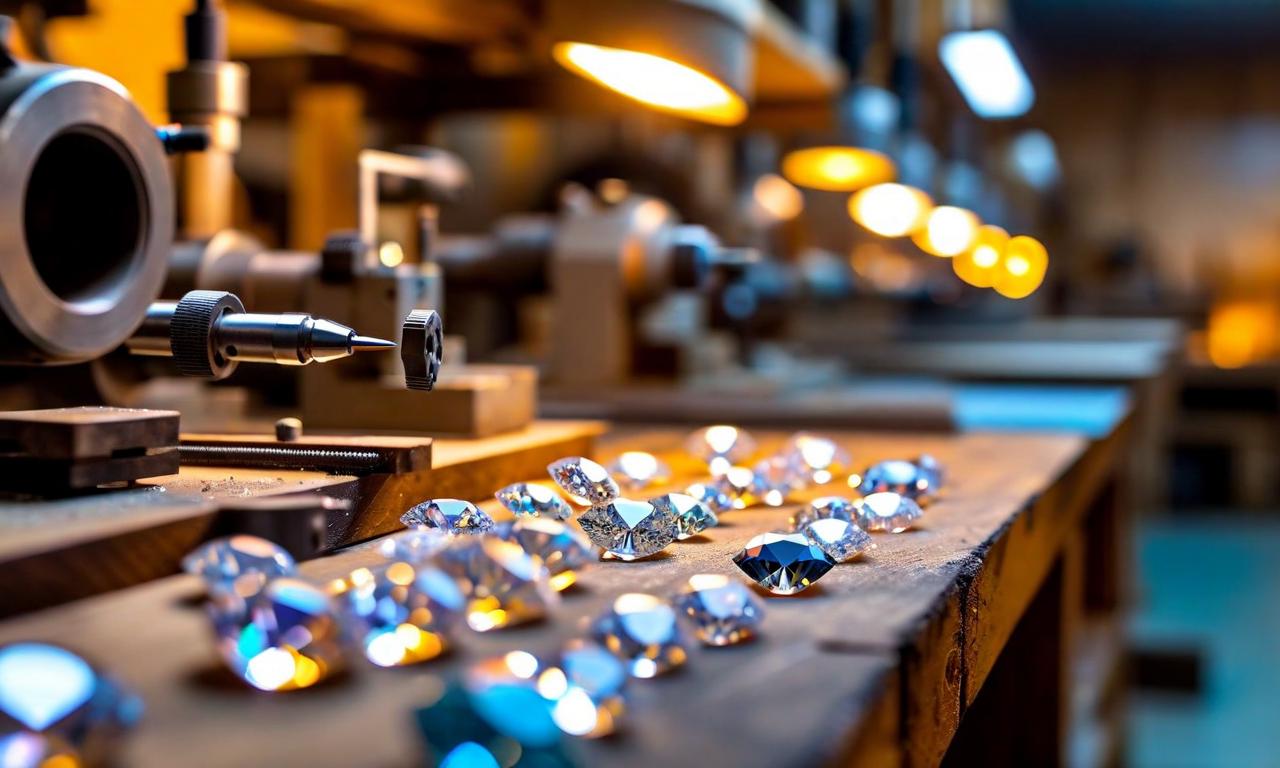
India’s appointment comes as the country serves as a leading global hub for diamond manufacturing and trade, particularly in cutting and polishing operations.
During its chairmanship, India plans to focus on four key priority areas:
– Strengthening governance and compliance mechanisms across participating nations
– Advancing digital certification and traceability systems for enhanced monitoring
– Enhancing transparency through comprehensive data-driven monitoring processes
– Building consumer trust in conflict-free diamond certification and sourcing
These initiatives reflect India’s commitment to modernizing and strengthening the existing framework while addressing contemporary challenges in the diamond trade sector.
The Kimberley Process Certification Scheme (KPCS) was established following a UN resolution and became operational on January 1, 2003. Since its inception, the scheme has evolved into a highly effective mechanism for curbing the trade in conflict diamonds globally.
The scheme currently encompasses 60 participants, with the European Union and its member states counted as a single participant. Together, these participants account for over 99 percent of the global rough diamond trade, making it the most comprehensive international mechanism governing the diamond sector.
India’s upcoming chairmanship represents a significant opportunity to further strengthen this vital international framework while leveraging the country’s expertise and position as a major player in the global diamond industry.
