Editor’s Note
This article traces the remarkable industrial evolution of Rajkot, from its early 20th-century roots in basic machinery and nail-making to its current status as a hub for high-precision components in the automotive, aerospace, and defense sectors.
The industrial growth of Rajkot began before India’s independence, starting with lathe machines and nail-making. Today, the city manufactures components for luxury cars, fighter jets, and defense equipment.
In 1941-42, Hansrajbhai Valambhia installed the first London Lathe Machine in Rajkot. Prior to that, a small foot-operated lathe in Sanganwa Chowk was used for sewing machine repairs. In 1946, Ravibhai Vankani established the National Wire Product Company to produce nail-making machines. The company exported its machines abroad, and its products continue to be exported to this day.
Narendra Patel, President of the Rajkot Engineering Association, stated that the summit will greatly benefit the MSMEs (Micro, Small, and Medium Enterprises) of Saurashtra.
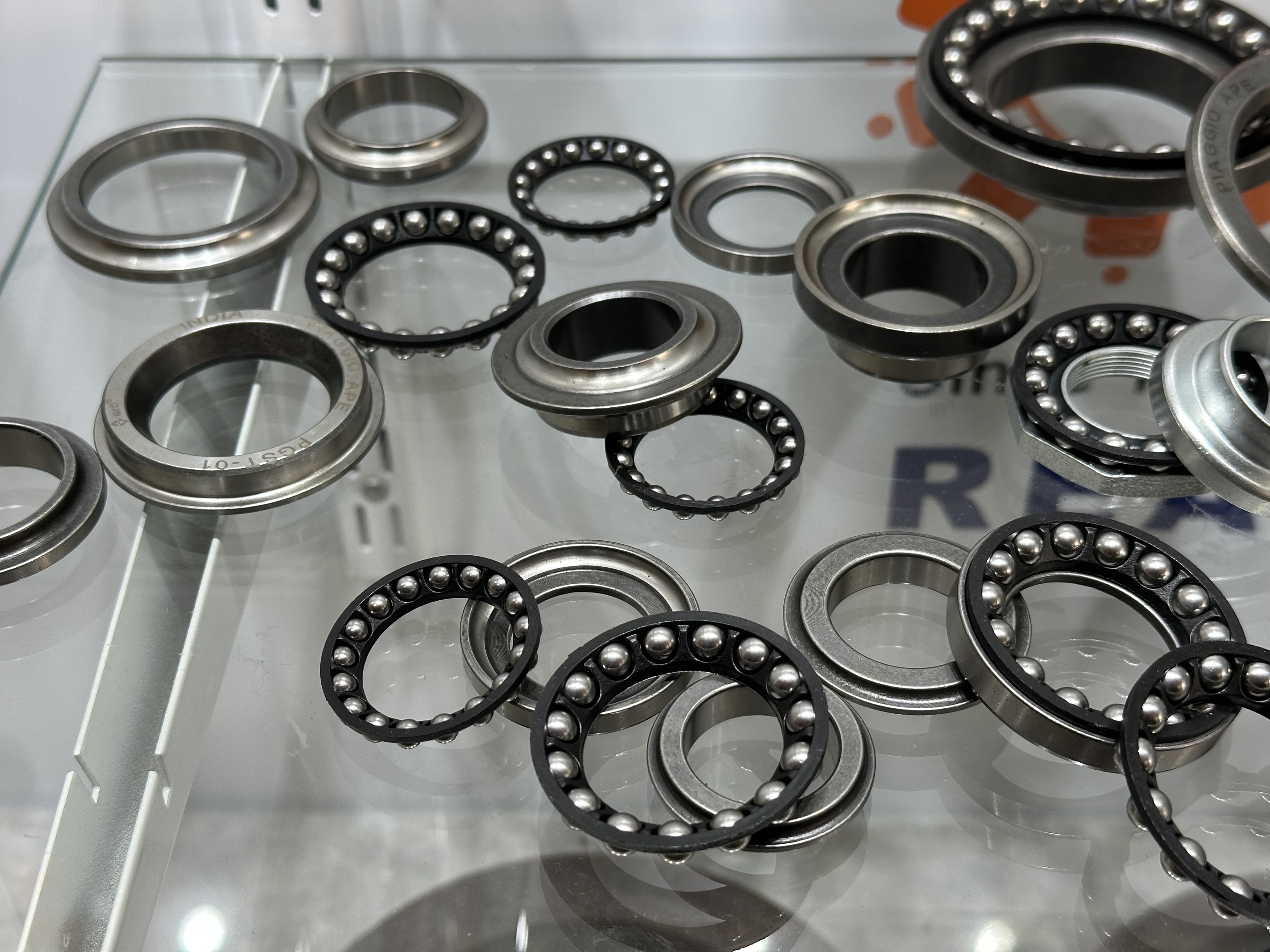
Rajkot is experiencing growth in automobile manufacturing, including EV parts, motor components, pumps, and more. The bearing industry is gaining global recognition. Engine valves, other engine parts, and forging foundries from Rajkot are also renowned worldwide. A new automotive axle company is set to commence operations in Rajkot soon.
Patel highlighted three key demands to the government:
1. Introduce a robust monthly subsidy for MSME-related small industries.
2. Ensure trade development assistance is provided annually.
3. Start an international airport in Rajkot as soon as possible.
M.J. Ladani, MSME Commissioner, said over 50 seminars will be held, focusing on:
– Rajkot: Engineering sector
– Morbi: Ceramic sector
– Jamnagar: Brass parts sector
The engineering and jewellery sectors are the largest employers, providing direct and indirect jobs to approximately 400,000 people.
Vinit Vasa, COA Member of the Gems and Jewellery Export Promotion Council, provided this insight. He added that Rajkot is known for plain gold, technology-based, antique, and silver jewellery. Diamond jewellery production is slowly emerging in the city.
Chandresh Sankharwa, Vice President of IICMA, highlighted:
– Rajkot produces 95% of India’s investment casting.
– The industry supports defense, automotive, railway, oil & gas, marine, and general engineering sectors.
– Gujarat’s infrastructure has been key to industrial development.
This was stated by Vimal Tadhani, Chairman of Super Engitech.
Super Engitech is also investing in sustainable energy:
– Wind energy projects near Jamnagar and Rajkot produce crores of units of electricity.
– Two 8 MW solar plants are in the final stage of development.
– Monthly production capacity stands at 5,000 metric tons.
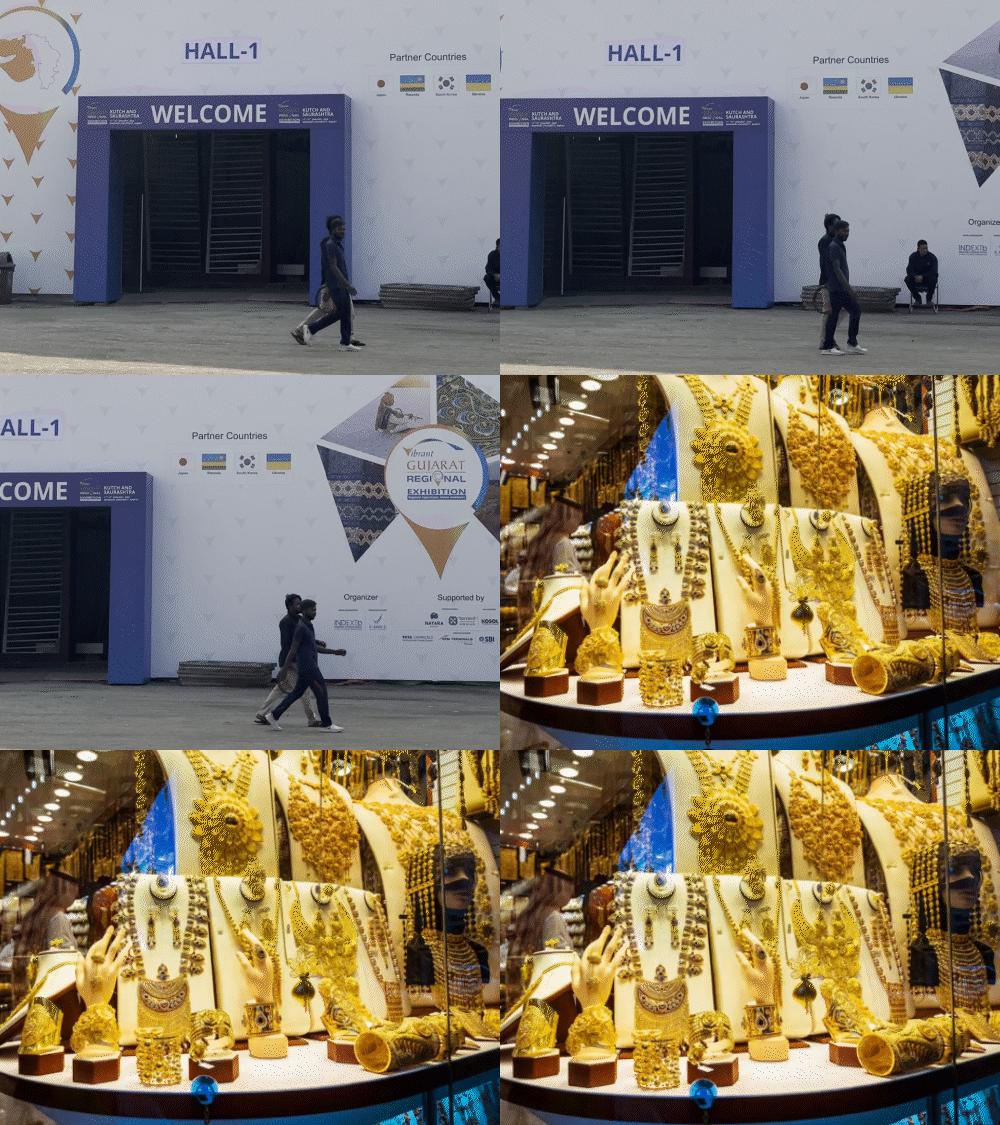
The 2-day Vibrant Gujarat Regional Summit will host over 5,000 industrialists. Key upcoming projects include:
– A new Medical Device Park in Nagalpar with an investment of Rs 446 crore.
– New GIDCs (Gujarat Industrial Development Corporations) in Khirsara-2 (Rs 131 crore) and Pipardi (Rs 95 crore).
– A technology hub near Gondal at a cost of Rs 200 crore.
– An Amul Dairy plant under construction in Gadka village for Rs 500 crore.
– Total MSMEs: 246,710 (Micro: 238,069; Small: 7,771; Medium: 870)
– Estimated direct employment: over 1.1 million people
– Production includes screws, auto parts, machine tools, luxury car liners, fighter planes, guns, and defense equipment.