Editor’s Note
This article examines the recent volatility in gold prices, which hit record highs in 2026 before a sharp correction. It explores the key factors that determine the precious metal’s value and includes expert commentary suggesting the dip may be temporary.
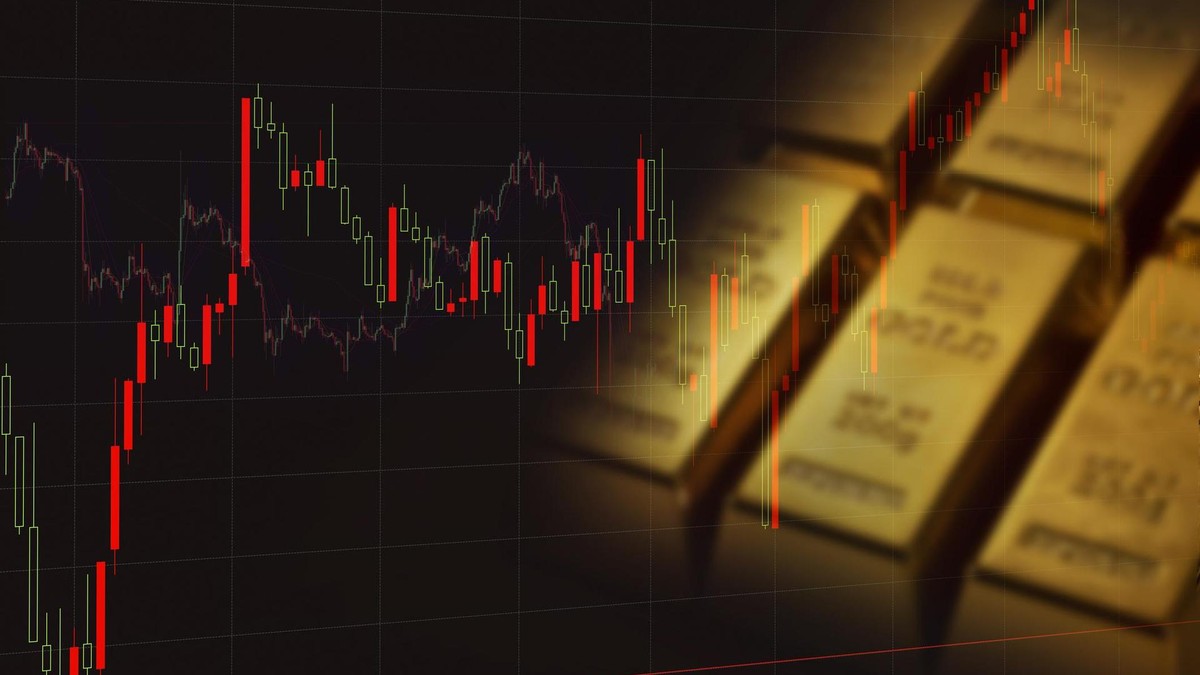
The gold price had already reached new highs in 2026. However, the recent sharp decline has unsettled the markets.
The expert may be right, as the current price has managed to recover in the 24-hour comparison.
Gold is intended to reduce losses during a financial crisis. Those who fear that gold could endanger their own financial situation should reconsider its weighting in their portfolio. But what is the gold price today? We show the current price in euros.
The gold price is primarily determined by supply and demand: when demand rises with limited supply, the price typically increases as well.
Usually, the gold price is quoted per troy ounce – equivalent to about 31.1 grams. In our overview, you will also find the current prices for one, ten, and one hundred grams of gold.
This is the current gold price in euros:
Weight | Price
— | —
1 Gram | 138.08 Euro
10 Grams | 1426.60 Euro
100 Grams | 14,058.65 Euro
1 Ounce | 4294.67 Euro
Source: Gold.de (Data as of: February 4, 2026, 08:47)
The gold price has risen by 2.61 percent compared to the previous day and is currently quoted at around 4294 euros per ounce. Thus, the precious metal continues to trade at a high level. In 2025, gold recorded a value increase of 47.49 percent. The positive trend continues at the start of the year with a gain of about 16.27 percent (Source: Gold.de).
Important to know: The gold price changes several times a day. Furthermore, the quoted gold price is the so-called spot price (current market price). Those who wish to buy physical gold – i.e., gold coins or gold bars – must expect premiums, for example for minting or dealer margins. The exact price varies depending on the provider. Investors should always familiarize themselves with the current developments before buying or selling.
The gold price is currently showing remarkable growth and is at a very high level. On January 28, the gold price reached a new closing price record of 4533.21 euros. During the day’s trading, it is lower at 4294 euros per ounce. Important: This is a value from the ongoing intraday price; the closing price may differ.
Whether the gold price will fall or rise again this year cannot be answered in general terms. There are several forecasts. Most analysts rather expect a rising gold price.
The gold price had already reached new highs in 2026.
A variety of factors influence the gold price. Among the most important are monetary policy decisions regarding interest rates or inflation by major central banks such as the US Federal Reserve (Fed) or the European Central Bank (ECB).
Rising interest rates make interest-bearing investments more attractive. This puts pressure on the gold price. Conversely, a low-interest environment and high inflation strengthen gold’s position as a store of value. This causes the price to rise. Geopolitical tensions, wars, or economic uncertainty also often lead to higher demand and thus a rising gold price.
Gold does not yield ongoing interest, therefore its long-term value development cannot be compared with stocks or ETFs. Nevertheless, someone who bought an ounce of gold for around 334 euros in early 1990 is now in profit. The current gold price is about 4294 euros per ounce.