Editor’s Note
This article highlights Tether’s significant move into the gold market, amassing 140 tons in reserves to back its USDT stablecoin and support a planned gold trading platform. While this underscores the company’s ambition to diversify asset backing, readers should note that the broader implications for stablecoin stability and the precious metals market remain subjects of ongoing analysis and debate.
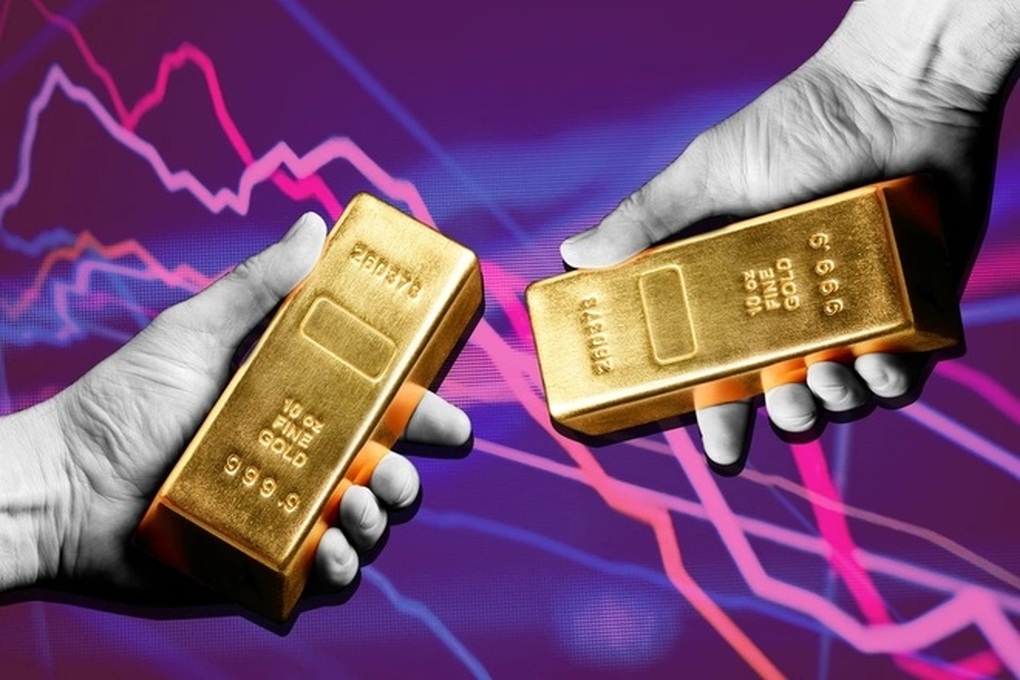
Tether, the issuer of the USDT stablecoin pegged to the US dollar, is known for actively accumulating gold. According to some statistics, Tether has now increased its total gold reserves to 140 tons, in preparation for its ambitious project to launch a gold trading platform.
In 2025, the company also quietly became one of the largest players in the global precious metals market by purchasing over 70 tons of gold to build reserves for its USDT stablecoin (besides gold, it also holds Treasury bonds, Bitcoin, etc.) as well as collateral for its own gold-backed stablecoin.
A Tether announcement at the beginning of last week revealed that the company acquired an additional 27 tons of gold in the fourth quarter alone, compared to 26 tons in the previous quarter.
In an interview with Bloomberg in the last week of January, Paolo Ardoino, CEO of Tether, revealed that the organization holds a total of approximately 140 tons of gold, valued at about $24 billion, significantly more than many central banks.
For example, the National Bank of Poland – the most active buyer among central banks – purchased only an additional 35 tons of gold in the fourth quarter.

Compared to the largest gold ETFs, such as SPDR Gold Shares, iShares Gold Trust, and SPDR Gold MiniShares Trust, no other ETF has reached the same level of purchase volume as this cryptocurrency giant.
Where does Tether get the money to buy gold? According to observers, the answer lies in the profits this company generates from USDT, the world’s largest stablecoin by market capitalization. Data shows that USDT’s market capitalization currently stands at approximately $186 billion.
Tether receives US dollars from people wanting to trade cryptocurrencies and pays them an equivalent amount of USDT. The company then invests this money in US Treasury bonds and other assets like gold, generating billions of dollars in profits.
In an interview with Bloomberg, Ardoino revealed Tether’s ambitions in the precious metals market, describing the company’s role as similar to that of a central bank and outlining its future plans.
John Reade, Chief Strategist at the World Gold Council, believes that while Tether’s purchases have had an impact on the price, they are only a small part of the explanation for last year’s dramatic price surge.

As mentioned earlier, CEO Ardoino not only wants to buy gold but also wants Tether to trade it, directly competing with Wall Street giants like JPMorgan Chase, HSBC, etc.
He wants to make Tether the “best gold exchange in the world” to continue buying gold long-term and exploit underperforming market niches to generate profits.
To carry out this ambitious plan, Tether has quietly recruited two experienced gold traders from HSBC. Simultaneously, Tether also buys directly from Swiss refiners and major financial institutions in the market.
Tether also intends to profit from the gold craze with another product, XAUT, a token backed by physical gold. The company has issued an amount of XAUT equivalent to 16 tons of gold (valued at approximately $2.7 billion).
According to Ardoino’s forecasts, the XAUT market size could reach about $5 to $10 billion by 2026. In this scenario, the company might need to buy more than one ton of gold per week for XAUT alone.

In September 2025, statistics indicated that Tether’s president, Giancarlo Devasini, could rank fifth on the global wealth list, even surpassing Warren Buffett. His fortune was then estimated at $224 billion.