Editor’s Note
This analysis highlights a key vulnerability in the luxury sector—over-reliance on a single product or customer segment. It contrasts this with Cartier’s resilient, multi-pillar strategy, built on high jewelry, daily jewelry, and watches, which provides stability against market shifts.
The reason the luxury market is unstable is simple. When economic fluctuations, changes in values, and generational shifts occur, most brands rely on specific product lines or specific customer segments. A structure concentrated in one area means that even a slight change in market direction can instantly shake a brand’s presence. However, Cartier is an exception. They do not rely on the success of a single product but have built an ‘experience portfolio’ that conveys stories based on heritage to customers.
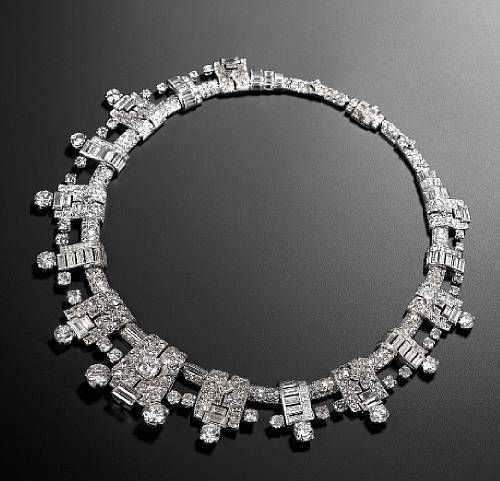
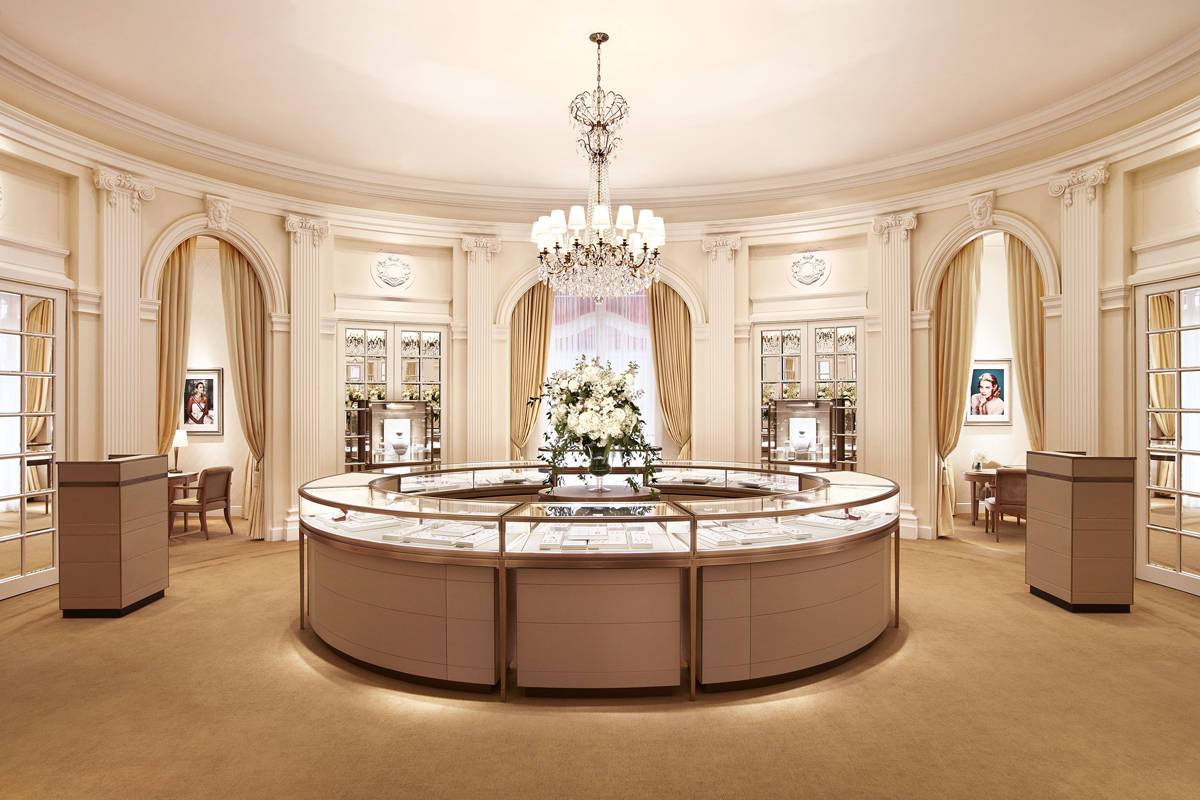
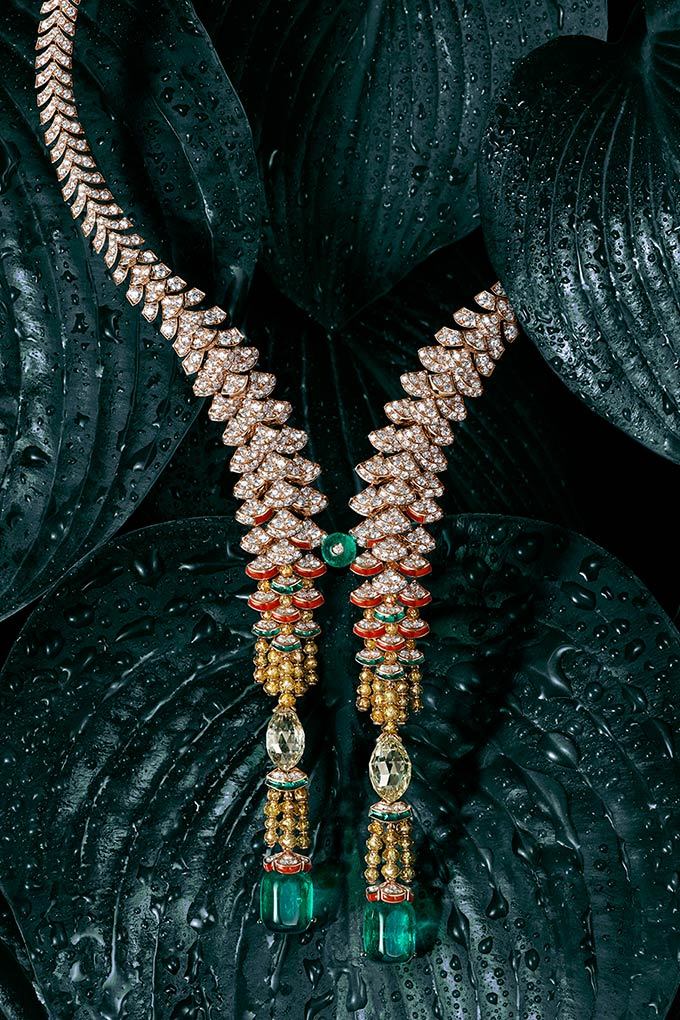
Cartier’s high jewelry is not just a high-priced product line; it is a device that showcases the pinnacle of the aesthetics, technology, and heritage pursued by the brand. The private salons, archive exhibitions, and VIP events arranged to view high jewelry function as a cultural experience, even without the premise of a purchase. This area plays a far more important role than sales. It is because it allows consumers to ‘intuitively feel’ what aesthetic standards Cartier holds and what worldview it presents.
Daily jewelry, where repeat purchases occur, is how Cartier naturally seeps into customers’ lives. The important point here is that daily products do not mean a scaled-down version or simple popularization of high jewelry. Rather, Cartier reinterprets the brand’s core aesthetics within practicality through daily jewelry. Thanks to this structure, consumers can relatively easily ‘physically feel’ the brand’s worldview and establish the Cartier sensibility in their daily lives.
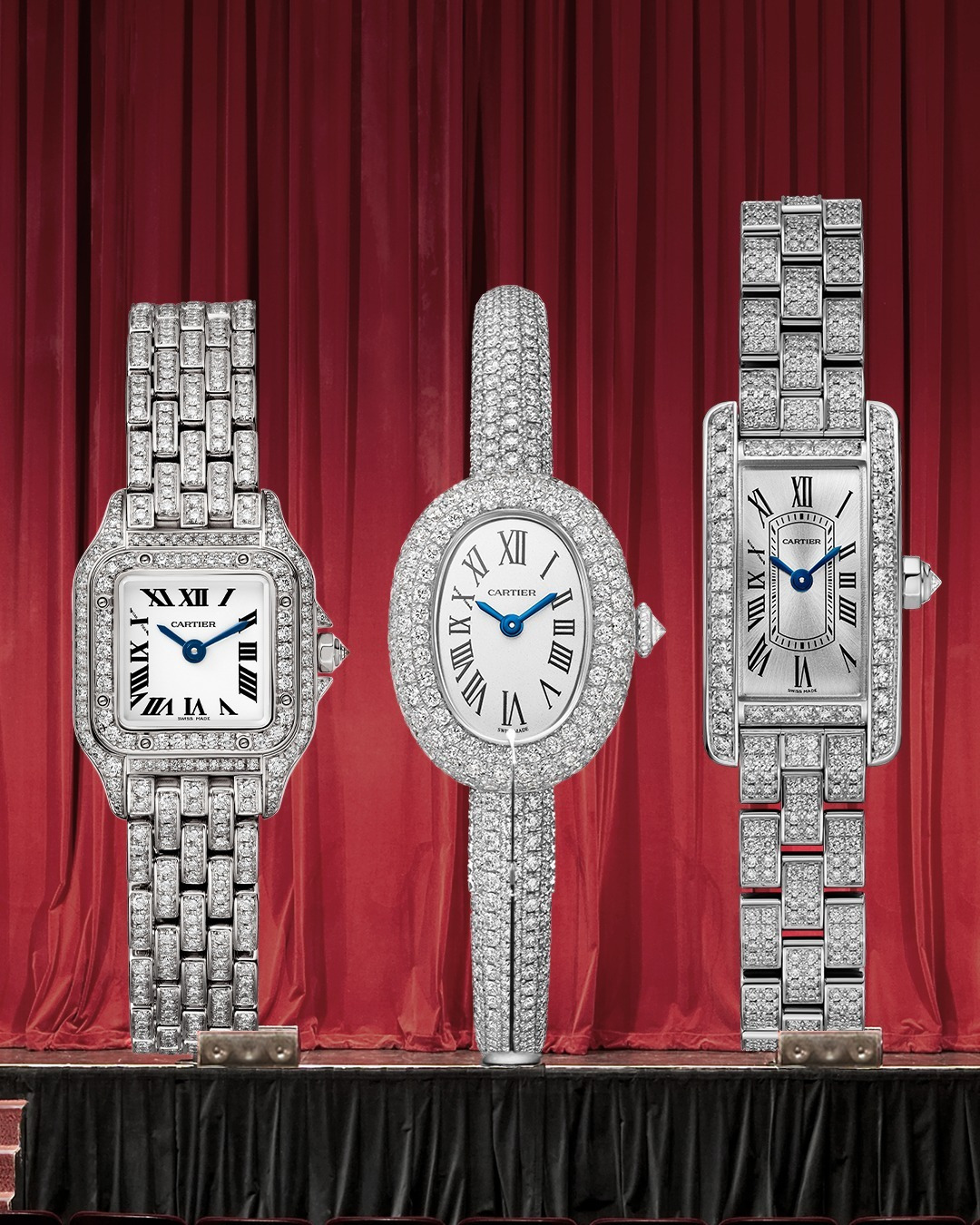
The watch domain is an area Cartier has approached very strategically. The Tank, Santos, and Ballon Bleu are not mere timepieces; they are objects that showcase the brand’s temporality and form. Watches attract a significantly different customer base than jewelry, serving as another gateway for male consumers, young collectors, and mechanical watch enthusiasts to enter Cartier’s world. These three areas do not operate as independent divisions but as three entry points that expand the brand experience.
Cartier does not operate each product line simply as “various categories.” The key is that they design an elaborate experience structure so that each area is organically connected.
High jewelry is not merely expensive adornment; it is a ‘worldview’ and a formal declaration where the brand’s long-built aesthetic ideals and cultural, historical, and artistic identity are condensed. Daily jewelry translates the worldview and symbols established in high jewelry into the experience of daily wear, expanding the brand’s ideals from the dimension of ‘ownership’ to ‘experience.’ Cartier’s watches are less tools for measuring time and more another device for expanding the worldview, embedding the brand’s aesthetics, history, and formal order within the flow of time. These three experiences encompass customers’ emotions, daily life, and sense of time, ultimately completing a structure that makes consumers stay with the brand for a long time. This structure is not a “system that makes consumers consume more” but a way of providing an ‘experience of living within’ a single world called the brand. And this experience operates in a way that naturally induces consumption without forcing or manipulating.
Cartier does not see customers as short-term buyers but recognizes them as long-term partners.
Cartier’s representative global campaign slogans all forefront the emotional meanings held by these icons.
“What’s your flamme?”
“How far would you go for Love?”
These phrases are not bound to a specific country or language group. Universal emotions like love, passion, choice, and independence are emotional languages instinctively understood in any culture. Therefore, Cartier’s message does not need translation. These sentences possess the power to naturally evoke the human emotions of love, passion, and ‘choice’ in relationships experienced in each person’s life.
From the act of a parent passing down a watch to a child along with life lessons, to the wedding band chosen as a token of a promise to love one person for a lifetime, to the Panthère watch as an encouragement to oneself for enduring numerous difficulties, to the Love bracelet worn as a playful and coquettish symbol that whispers love while slightly binding each other—in all these moments, Cartier’s icons combine with an individual’s life and acquire even greater meaning and value over time.
This method of communication does not deliver a direct message of “buy Cartier” to consumers. Instead, it operates by inviting consumers into the world of emotions symbolized by each icon. And the moment the emotional language created by the brand connects with the customer’s identity, the product transforms beyond a simple gem into a ‘sign that expresses me.’
Ultimately, the communication structure built by Cartier does not keep the relationship between brand and consumer confined to a simple purchase act. It expands into the process where identity is formed and memories are accumulated within an individual’s life. Cartier becomes not “jewelry chosen because it’s pretty,” but “an icon that tells who I am, what I have achieved, and what kind of path I have walked.”
This is why Cartier is loved across eras, and the moment the brand’s icons function as a cultural language.