Editor’s Note
This article discusses new anti-money laundering regulations set to impact Australia’s real estate sector later this year. The rules will require various professionals in property transactions to collect client information to help combat financial crime.
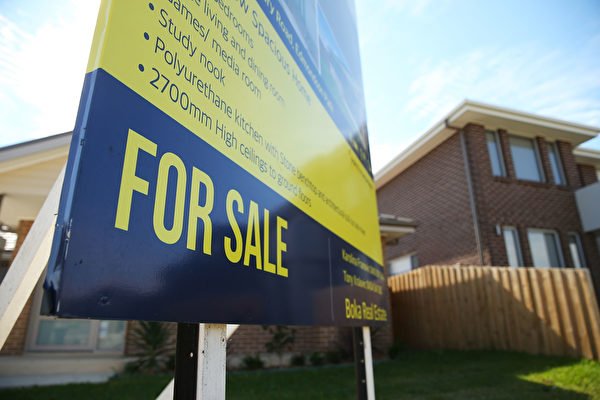
Australia’s $12 trillion real estate market has long been considered a major channel for money laundering by organized crime groups. With new anti-money laundering rules set to take effect in the second half of the year, real estate professionals across the country—including real estate agents, conveyancers, buyer’s agents, and lawyers—will be required to collect relevant information from both buyers and sellers during transactions to help combat financial crime.
Buyers and sellers are expected to be required to provide their names, addresses, dates of birth, and identification documents such as driver’s licenses or passports. If suspicious illegal activity is detected during a transaction, agents may need to report it to the financial crime regulator.
According to a report from real estate portal Domain.com, Thomas McGlynn, President of the Real Estate Institute of NSW, stated that from July, real estate agents must verify the identities of both buyers and sellers.
The “Tranche 2 reforms” anti-money laundering regulations introduced by the Australian Transaction Reports and Analysis Centre (AUSTRAC) bring Australia in line with countries like New Zealand.
Currently, Australia’s banks and other financial institutions are already subject to relevant regulations. However, Rachel Waldren, a partner specializing in financial crime at advisory firm KordaMentha, noted that real estate agents and professional service providers such as lawyers and accountants have not previously been subject to the same regulatory scope.
She stated that the new rules will “complete the regulatory framework,” while also emphasizing that the vast majority of people involved in real estate transactions are not involved in any crime or money laundering.
Nonetheless, Australia’s real estate market remains attractive to organized crime groups. Since 2020, police have frozen approximately $1.2 billion in criminal assets, two-thirds of which are related to real estate.
Katie Miller, Deputy CEO of Regulatory Operations at AUSTRAC, pointed out that unlike other money laundering channels, criminals in the real estate market can not only “clean” funds but may even profit from it.
KordaMentha partner Rachel Waldren said that after the new rules take effect, the way buyers and sellers interact with real estate agents “won’t be drastically different”; the main difference will simply be the need to provide more information.
REINSW President Thomas McGlynn also believes the reforms will not significantly change the home buying process, but in some cases, further verification may be required, such as identifying directors when more complex structures like trusts are involved.
AUSTRAC’s Katie Miller stated that from contract exchange to settlement completion, agents and related personnel must continuously conduct checks and be alert to any changes during the process. For example, if a transaction originally financed by a loan is suddenly changed to a full cash payment, it could be a red flag, prompting agents to ask further questions or even submit a “Suspicious Matter Report.”
According to data from electronic settlement platform PEXA, in the 2024 financial year, 26.5% of residential transactions in NSW, Victoria, and Queensland were completed in cash or without a loan.
She also emphasized that agents are not obligated to halt transactions; they only need to understand their clients and report any suspicious circumstances.
Shaun Doyle, Compliance Manager at the Ray White Group, stated that the anti-money laundering reforms are significant, and compliance work is becoming increasingly central.