Editor’s Note
This article highlights a growing trend of customers returning to pawnbrokers after many years to reclaim valuables, driven by rising precious metal prices. It underscores the complex challenges they face, including lost documentation and accumulated interest, revealing the enduring personal and financial stories tied to these transactions.
Gaurav Sharma, Bhopal
3 days ago
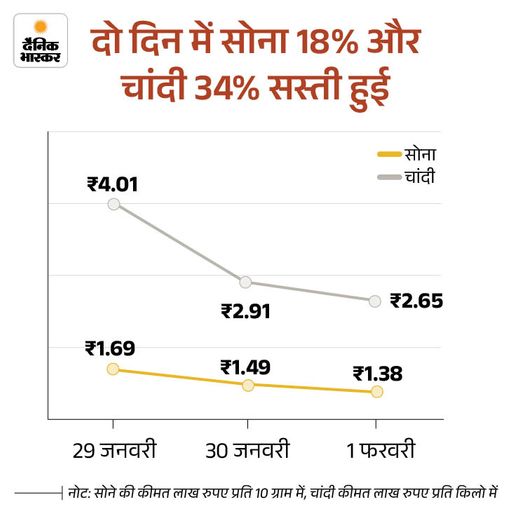
This is the story of Sanjay Jatav, a resident of Narsinghgarh. Currently, many people like Sanjay are arriving at the Sarafa markets in Indore and Bhopal. These are individuals who pawned their precious jewellery 10-15 years ago and never returned—they neither paid the interest nor inquired about the principal. When gold and silver prices reached all-time highs, these old customers suddenly remembered their pawned items.
The goldsmiths who hold these pawned items are in a dilemma because they cannot find such old records. According to moneylending rules, if a person does not pay the interest for 7 years, the moneylender can dismantle the item. Consequently, many moneylenders have already melted down these jewellery pieces.
This situation is eroding trust between customers and goldsmiths, and disputes are arising in many places. To understand how moneylenders are handling this, Bhaskar spoke with Sarafa traders in Indore and Bhopal.
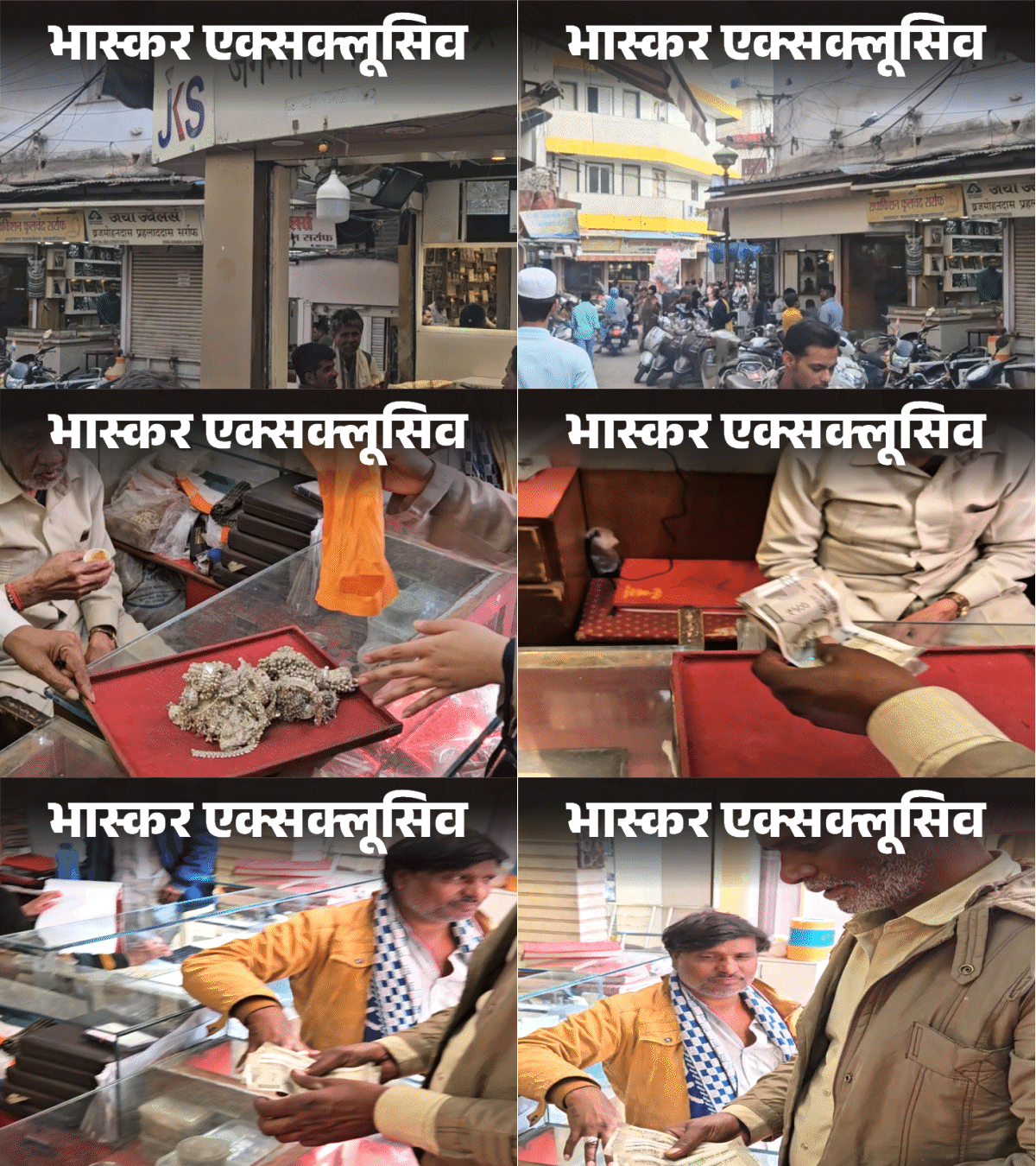
At first glance, the Sarafa markets in Bhopal and Indore appear bustling as usual. Shops are crowded with customers, jewellery is being appraised at counters, and ledger pages are being flipped. However, a closer look reveals an atmosphere filled more with tension and struggle than enthusiasm.
In most shops, neither new ornaments are being sold nor bought. This crowd consists of three types of people:
1. Those who have come to sell their household gold and silver to benefit from the increased prices.
2. Those who have come to pawn their jewellery for current financial needs.
3. Those, who are the largest in number, who have come to redeem jewellery they pawned years ago.
While we were talking to a trader at one shop, a middle-aged woman entered with an old cloth bag. At the trader’s request, she emptied the bag onto the counter with trembling hands. It contained old, tarnished silver anklets, a waistband, and some utensils. The woman said, “This is one kilo and eight hundred grams of silver. There’s a need at home, so I’ve come to pawn it.”
Due to rising silver prices, people are coming to pawn old silver.
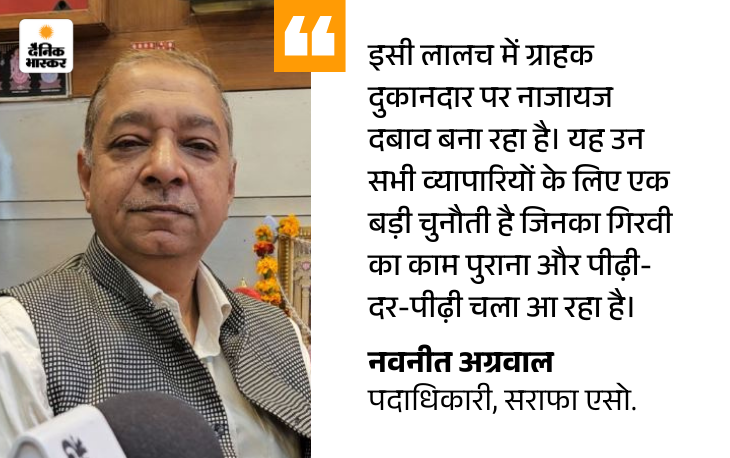
Navneet Agrawal, an official of the Bhopal Sarafa Association, explains that in Bhopal alone, there are over 700 traders with moneylending licenses. “Our business has been running for generations and is based on trust. But for the past few months, we have been grappling with a strange crisis.”
Agrawal states that customers are not worried about their debt today. They feel that even after paying 15 years of principal and interest, they will profit from the jewellery’s current value. Perhaps they might even get some extra cash in hand.
Abhishek Agrawal, owner of a jewellery shop, is worried about his family’s three-generation legacy. “Our family has been in this business for decades, but we have never seen such a situation. We have been very troubled for the last 2-3 months. Customers from 5-10 years ago are returning. We kept sending them reminders to pay the regular interest, but they never paid attention.”
When an old customer returns, the biggest challenge for the trader is finding their account in the 10-15-year-old ledgers. Sometimes the record is found, but often searching for accounts in termite-infested or deteriorated registers is nearly impossible.
Another trader shared an interesting story. “I had a customer who came three times in the past year. Each time, he would calculate the current value of his pawned jewellery and the accrued interest. He was just watching for when the jewellery’s value would exceed the debt. As soon as he felt he would profit, he came for the last time, settled the full account, and took the jewellery.”
One trader shared a case involving a customer from the Banjara community in Sehore. “About 9 years ago, he pawned 400 grams of silver and left. After that, he never returned, nor did he pay any interest. Three months ago, he returned and demanded an account. The total amount of principal and interest was less than the current price of silver.”
The trader said, “According to the rules, I didn’t need to give him anything, but our business runs on generational trust. To avoid a dispute and maintain the relationship, I returned his amount to him.”
To prevent customer trust from breaking, some traders are even returning money to maintain relationships.
The other side of this story also reflects the compulsion and desperation of customers. Sanjay Jatav, who came from Narsinghgarh to Bhopal’s Sarafa market, shared his experience. Jatav said that about 12 years ago, he pawned half a kilo of silver with his traditional goldsmith.
Sanjay explained, “The total debt amount, combining principal and interest over so many years, has become more than today’s price of silver. I never deposited the interest in between because I had no idea silver would become so expensive.” Due to the extended time limit, the goldsmith now had neither the account of that silver nor the silver itself.
In Madhya Pradesh, giving loans by pawning gold and silver jewellery (moneylending) is not just a tradition but a legal process. Strict rules have been established under the ‘Madhya Pradesh Moneylenders Act’ and the ‘Madhya Pradesh Debtors Assistance Act’ for this.
Mandatory License: The moneylending license is issued by the Revenue Department. Conducting this business without a valid license is a punishable offense.
Interest Rate Limit: The government sets the maximum interest rate that can be charged on pawned jewellery. Charging more than this is illegal.