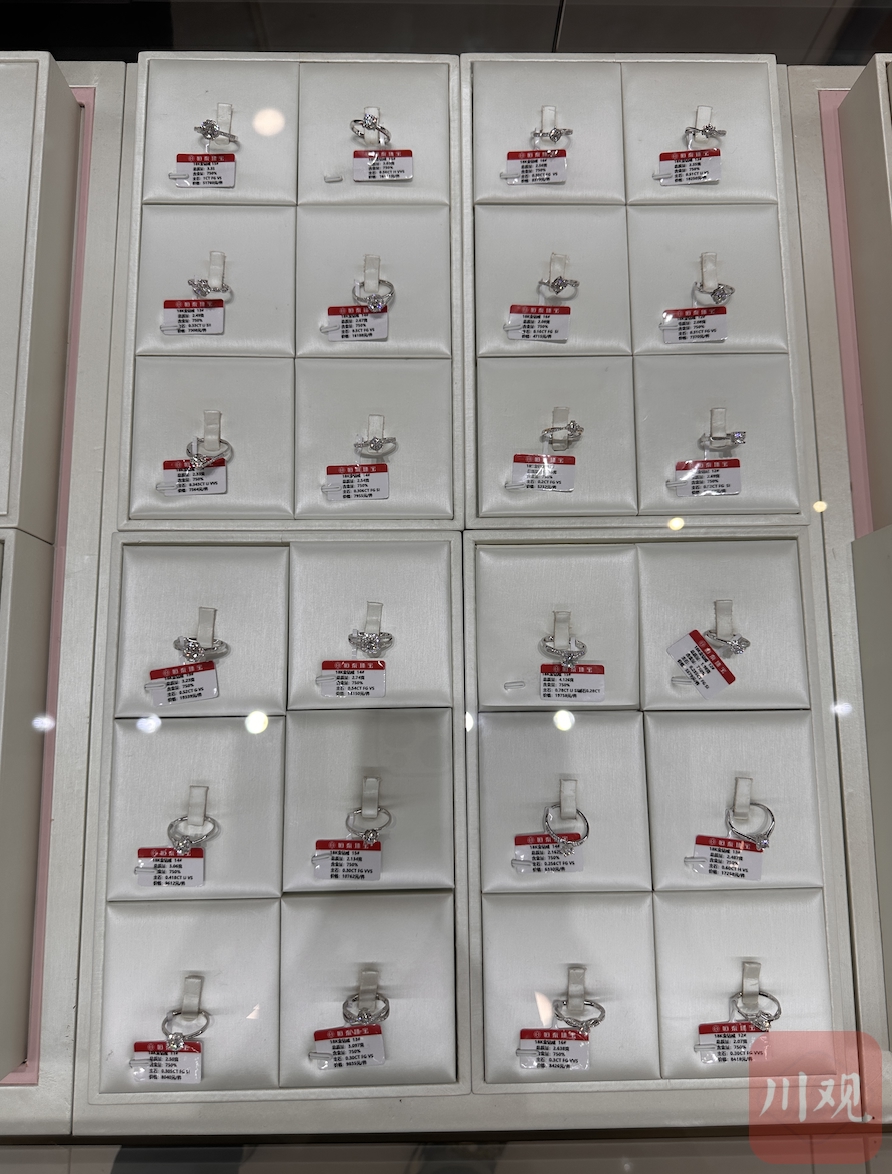
Editor’s Note
This article highlights a stark divergence in the luxury goods market, with gold prices surging while diamond values have sharply retreated from their 2022 peak. The data underscores a significant shift in investor and consumer sentiment between these two asset classes.
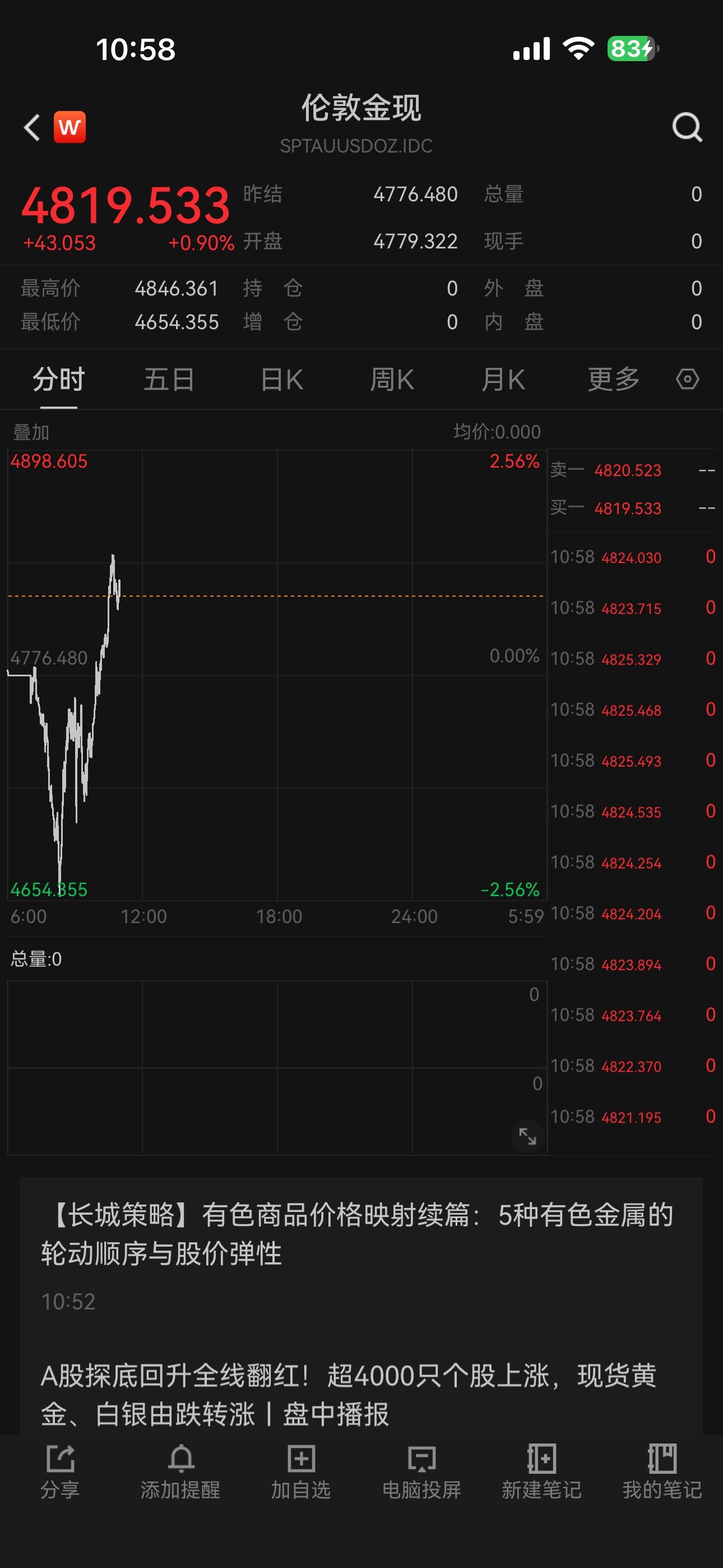
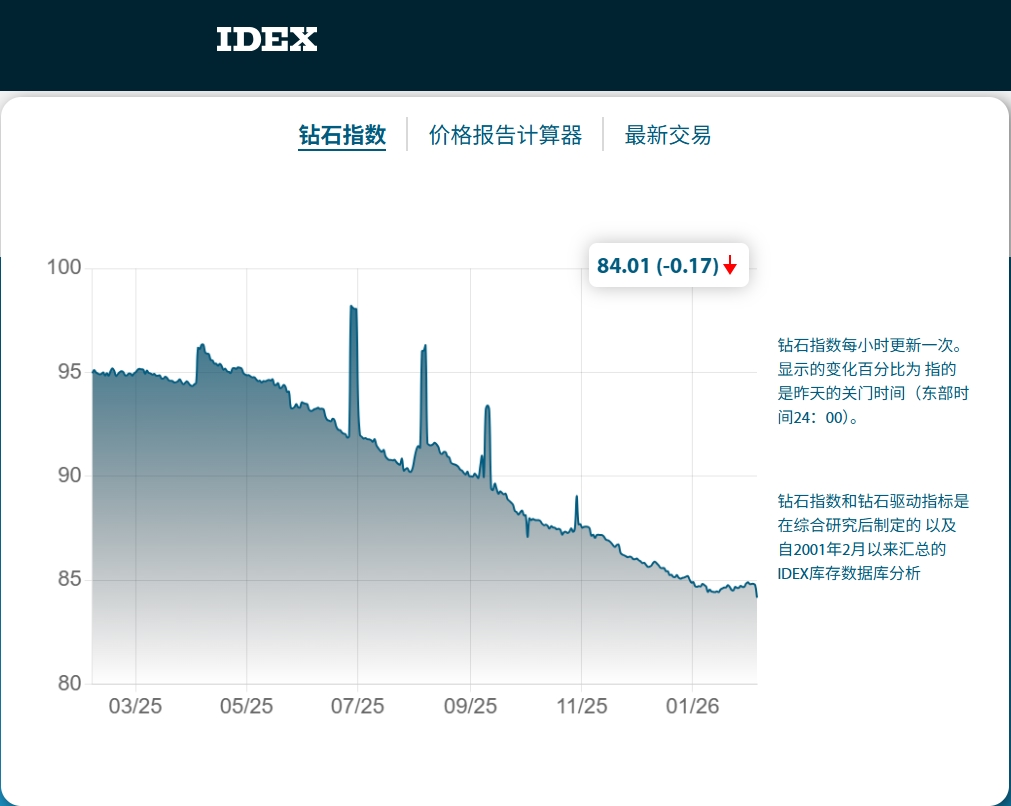
Recently, gold prices have surged dramatically, triggering a wave of market investment and trading fervor. Meanwhile, diamonds, which were once highly sought after, have seen their prices continuously retreat. According to data from the International Diamond Exchange, the diamond price index has been declining from its peak of 158 in 2022, currently hovering around 84.01, a drop of over 45%.
In January this year, De Beers, the world’s largest diamond producer, once again lowered the selling price of rough diamonds above 0.75 carats by 0.75%, with market forecasts predicting a price decline of 10%-15%.
This sentiment is not an isolated case. A reporter inquired with several friends who got married in the past two years, and almost none chose diamond rings. A visit to the offline market revealed a similar picture: due to wedding needs, consumers inquiring about purchasing gold significantly outnumbered those asking about diamonds.
On the morning of February 5th, at the Chunxi Road jewelry market in Chengdu, despite it being a weekday morning, many gold stores still had young people selecting gold products. However, in some stores specializing solely in diamonds, the reporter saw no customers entering.
A shop owner at a diamond store on Chunxi Road in Chengdu said.
A visit to jewelry stores selling both gold and diamonds revealed a situation of stark contrast between hot and cold sales.
Said a lady who was browsing. Meanwhile, the diamond section on the other side of the same store was deserted.
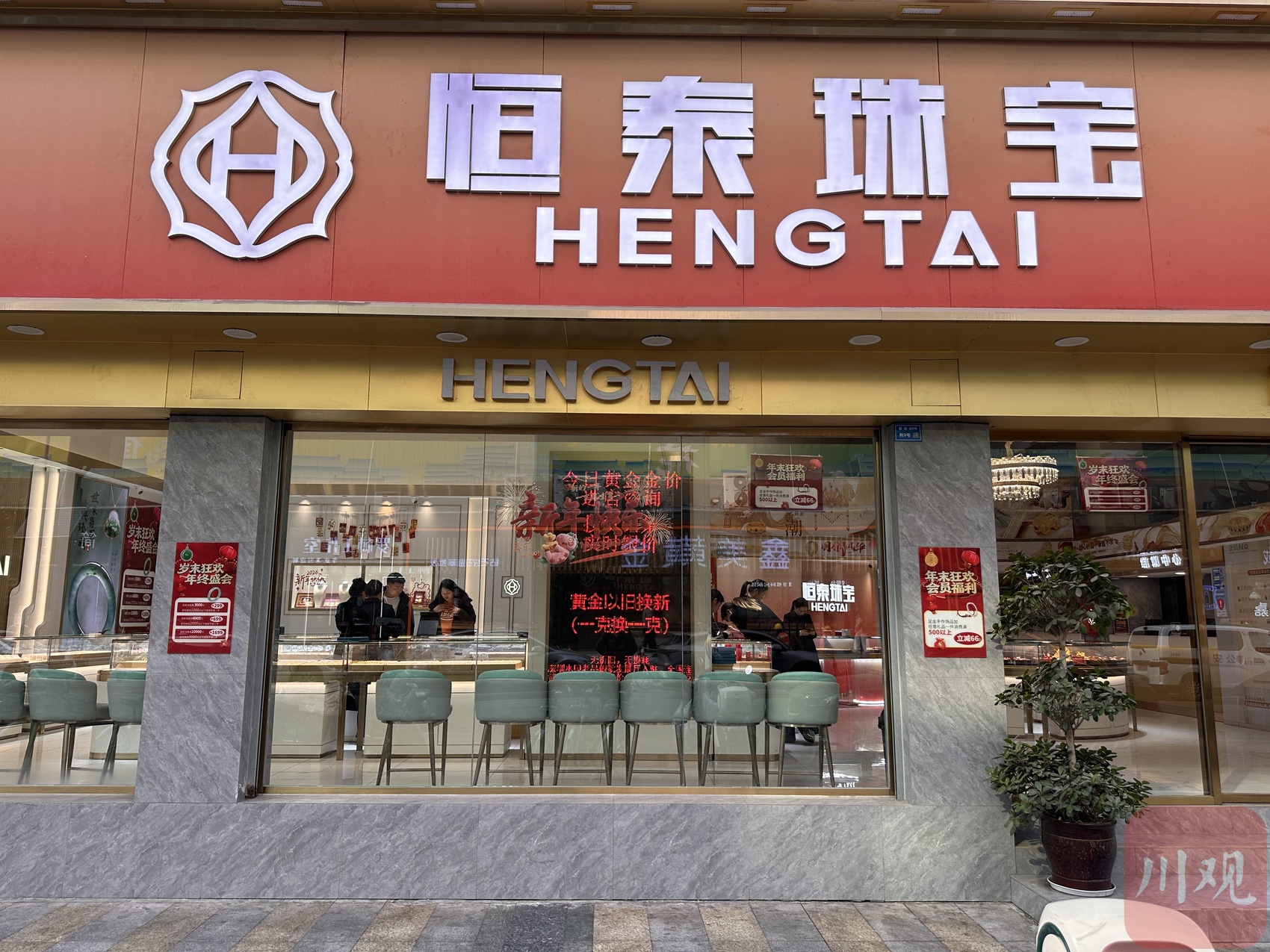
A staff member at a store named Hengtai Jewelry told the reporter.
The staff showed the reporter lab-grown and natural diamonds, which were indistinguishable to the naked eye.
She joked, saying it’s a bit like free-range chicken eggs and factory-farmed chicken eggs; the nutrition is similar, one is from chickens running outside, the other from industrialized feeding farms.
The “2024 China Jewelry Industry Development Report” released by the China Jewelry and Jade Jewelry Industry Association in May last year corroborated the above situation: In 2024, the scale of China’s diamond product market was about 43 billion yuan, a year-on-year decrease of 28.33%.
Why are prices falling?
Zhou Feilong, a high-end custom jewelry merchant, told the reporter.
According to public information, global proven natural diamond reserves are approximately 2.5 billion carats. Additionally, diamond mines are discovered in different countries every year. Due to reduced scarcity, diamonds have low liquidity in the secondary market.
Zhou Feilong said.
The “Natural Diamond Industry Survey Report” jointly released by the De Beers Group and the Nielson Institute last year also indicated that 72% of diamond retailers believe that the lack of value preservation is the main obstacle for consumers purchasing natural diamond jewelry.
Apart from the lack of scarcity and investment value, the decorative attributes of natural diamonds are also being replaced by lab-grown diamonds and non-diamond products (such as gold, pearls, and jadeite). The “Natural Diamond Industry Survey Report” points out that the rising interest of consumers in purchasing non-diamond products (such as gold, pearls, jadeite, etc.) and the intensified competition from lab-grown cultivated diamond jewelry have led to the depreciation of natural diamonds.
Zhang Min, CEO of Runwei Consulting, told the reporter.
Zhou Feilong believes the market is severely polarized. High-end, scarce jewelry is still relatively easy to sell, with the core being its asset preservation attributes. For some more mass-market products, influenced by young people’s rational self-consumption views, brand premium will weaken.
Zhang Min said.