Editor’s Note
The global luxury sector is closely watching China’s 2026 Lunar New Year period, viewing it as a critical barometer for the financial health and spending power of the country’s affluent consumers after a prolonged slowdown.
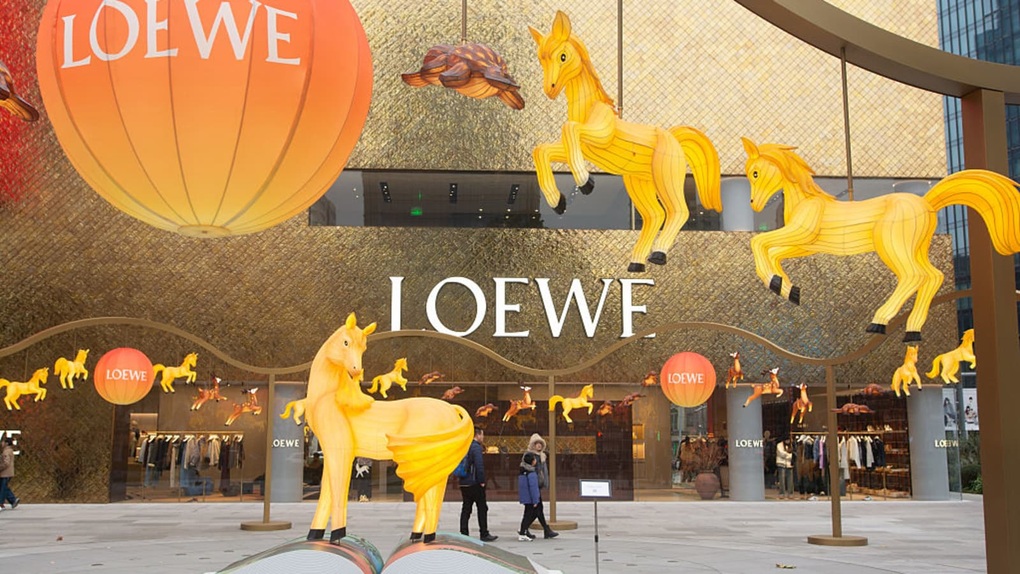
The global luxury market is holding its breath as it prepares for the Chinese New Year in 2026. After years of stagnation due to the aftermath of the pandemic and the real estate crisis, this year’s New Year is considered the most important indicator of the financial situation of the elite in the world’s second-largest economy.
Just before the New Year, the atmosphere heated up in Western fashion capitals. According to CNBC, Harry Winston launched a limited-edition rose gold watch with a diamond bezel and a red lacquered horse motif priced at $81,500 (over 2 billion VND). Chloé also joined the trend, presenting a capsule collection of silk scarves and snakeskin bags adorned with horse head motifs, priced at $5,300.
The Daily Upside suggests that 2026 (the Year of the Fire Horse – a symbol of rebirth in astrology) could be the ideal time to stimulate pent-up purchasing demand. To boost demand, the Chinese government even extended this year’s official holidays to nine days, starting on February 15. This is a clear signal of its determination to revive this massive consumption machine.
Data from Bain & Company indicates that the Chinese luxury market will reach a volume of approximately 350 billion yuan ($50 billion) in 2024. Although this figure still reflects a 3-5% decline in 2025 due to weak consumer confidence, experts had already detected signs of recovery in the second half of last year.
Luca Solca, an analyst at Bernstein, predicted to CNBC. This optimism is not unfounded, as the booming stock market is gradually strengthening the confidence of the wealthy.
In fact, recent financial reports from the “big players” already show some divergence, albeit in a more positive direction:
– Richemont (owner of Cartier): Sales in China, Hong Kong, and Macau increased by 2% in the last quarter, which included the holidays.
– Burberry: Achieved better-than-expected sales in December, partly due to the interesting coincidence that the brand’s logo is a rider – this year’s mascot.
– LVMH: Although its core fashion and leather goods business declined by 3%, overall sales in China returned to growth in the fourth quarter.
However, investors remain cautious. Immediately after the release of the LVMH report, there was a sell-off in shares of Hermès and Kering (owner of Gucci), showing that the market is still waiting and watching for the actual results of this year’s New Year season.
A major challenge for luxury brands is the shift in consumer behavior. The days when Chinese consumers were obsessed with Western branded goods are over.
commented Professor Daniel Langer from Pepperdine University.
Data from Bain shows that before the Covid-19 pandemic, two-thirds of Chinese luxury spending occurred abroad, but last year this proportion dropped to just one-third. While the Chinese bought more domestically, they simultaneously became more discerning.
Luca Solca warned on CNBC. Merely printing zodiac signs on handbags or overusing red and yellow colors can sometimes backfire and be seen as uncreative or culturally stereotypical.
Veronique Yang, Head of Consumer Services at BCG in China, emphasized that young people in the country want to see cultural heritage retold in a contemporary language, not as a clumsy imitation.

Experienced market players have recognized this shift and adapted their tactics. Instead of just selling products, they offer cultural experiences.
Loewe was praised for adorning its Puzzle bag with fringe in a cowboy style instead of a direct horse print. Valentino hosted a three-day lantern festival in Shanghai. Meanwhile, Burberry built an ice rink in Beijing and launched its Chinese New Year campaign early with local brand ambassadors.