Editor’s Note
This article highlights how soaring precious metal prices are disproportionately affecting middle-class households, particularly impacting traditional practices and financial planning.
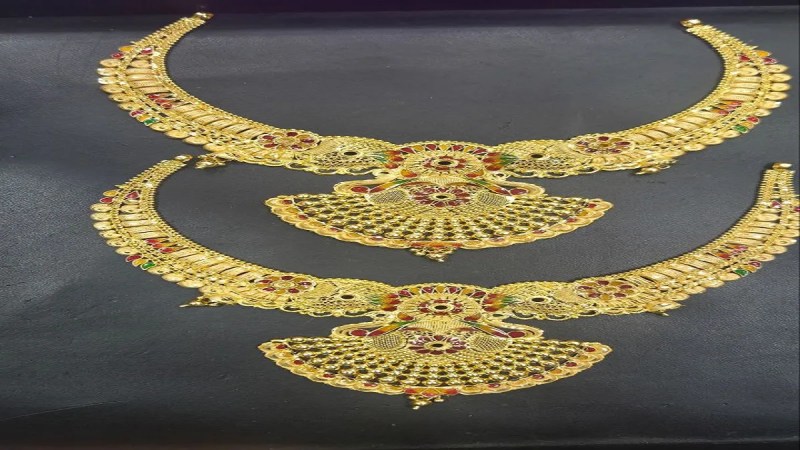
The relentless rise in gold and silver prices is having the most severe impact on middle-class families. Several women expressed concern, stating that silver is now moving out of reach for people earning from small jobs, employment, and daily labor, while buying gold jewelry has become nearly impossible. Senior women say that silver was once used in mutual transactions and household needs, but now one has to think twice before fulfilling its need at home.
Retail traders associated with the silver-gold business report that the deep impact of rising prices is being felt during the wedding season. The price of a light 30-gram silver anklet has reached around 12,000 rupees. Meanwhile, it has become difficult to find toe rings for less than a thousand rupees. The weight of jewelry required for weddings is also being reduced. A simple gold ring is costing up to 50,000 rupees. In such a situation, people are managing by cutting down old jewelry kept at home rather than getting new pieces made.
Some traders connected to Churu’s bullion market hold this view. According to young traders, the lack of stability in prices has created a state of confusion in the market.
This is what retail traders are saying.
This is the opinion of a major bullion trader.
Churu, once counted among the major silver markets, used to be a key center not only for silver utensils and jewelry but also for the trade of pure silver. Over time, the character of the bullion market changed. Where there used to be factories making silver utensils, now jewelry showrooms are visible. The traditional seating platforms (‘gaddis’) of the bullion market have now transformed into decorated counters. Amidst this changed landscape, the continuous surge in gold and silver prices remains a topic of discussion among the common people.