Editor’s Note
This analysis explores the structural forces driving gold and silver to historic highs, moving beyond conventional market explanations to examine deeper shifts in global finance and geopolitics.

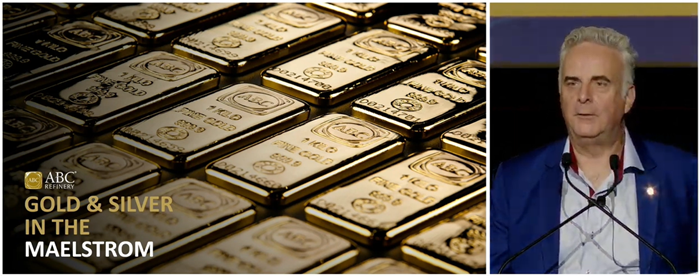
Gold and silver prices have surged to extraordinary highs in recent months, defying many of the traditional metrics that typically govern precious metals markets. Speaking at the RIU Explorers Conference in Fremantle, ABC Refinery Global Head of Institutional Markets Nicholas Frappell said the drivers behind the rally extend well beyond headline explanations.
Frappell told delegates, pointing to the sharp swings that have defined precious metals trading.
While geopolitical instability, rising global debt and persistent fiscal deficits have supported prices, Frappell argued these factors alone do not fully explain gold trading at nearly three times its mid-2021 level in US dollar terms.
he said.
Instead, Frappell pointed to three structural forces underpinning precious metals: safe-haven demand amid geopolitical uncertainty, questions around central bank policy credibility, and the accelerating build-up of sovereign debt across developed economies.
International tensions, including trade disputes and shifting global alliances, have strengthened gold’s appeal as an asset without counterparty risk.
he said.
Concerns around Federal Reserve independence have also been cited as bullish, though Frappell noted bond markets appear less alarmed than gold investors.
he said.
More enduring, he argued, is the expansion of government debt.
Frappell said.
Silver has amplified the move. As both a monetary and industrial metal, it has benefited from safe-haven flows alongside structural demand tied to electrification, renewable energy and advanced technologies.
Frappell said.
Looking ahead, Frappell expects volatility to remain a defining feature but believes the structural case remains intact.
he said.