Editor’s Note
This vignette from a Chinese gold store during the Lunar New Year holiday captures a common consumer dilemma: the tension between gold’s enduring cultural value and its volatile market price. As one shopper notes with surprise, prices remain high, yet the salesperson’s advice underscores a timeless perspective—that some purchases are driven more by sentiment than speculation.
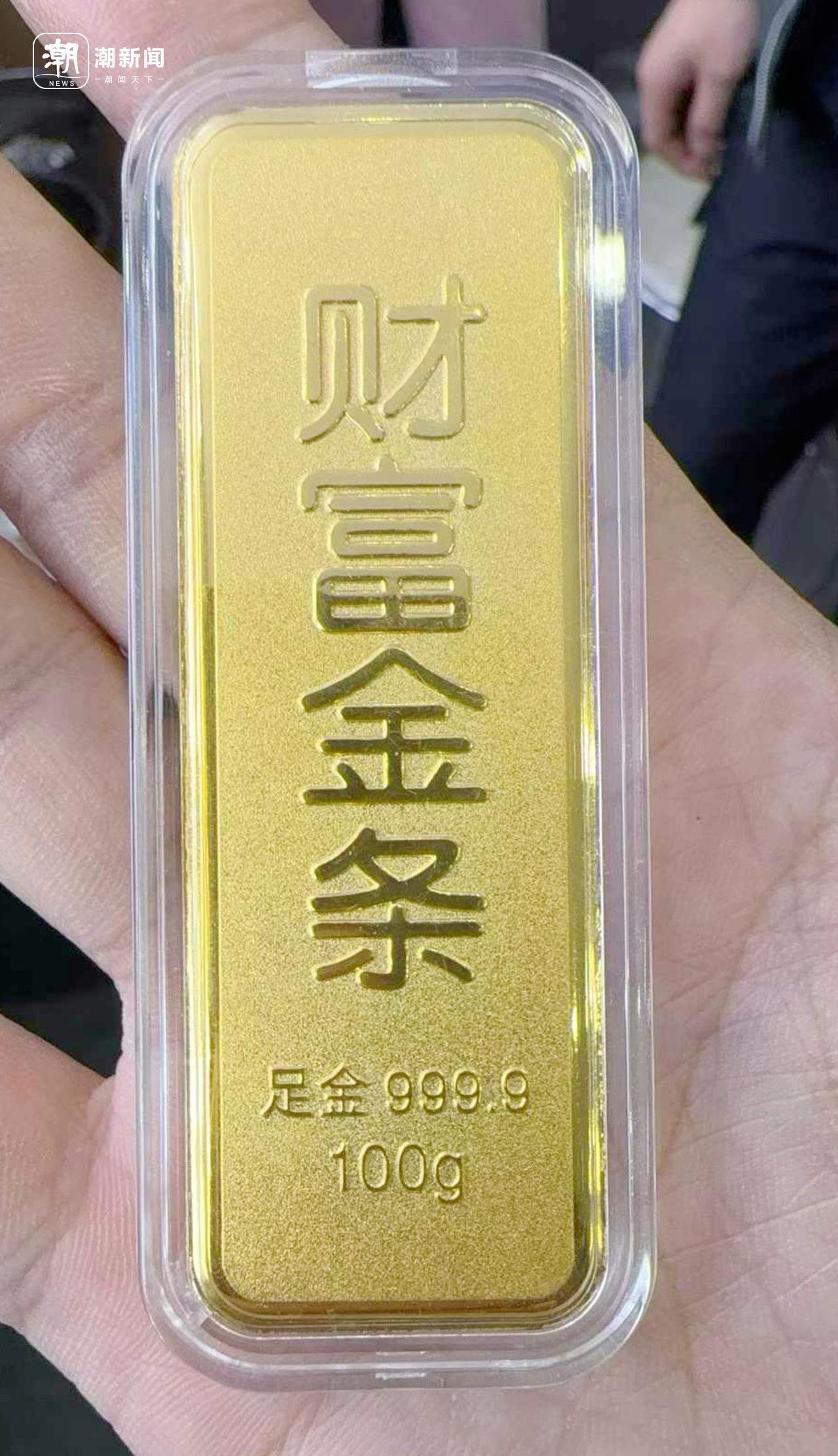
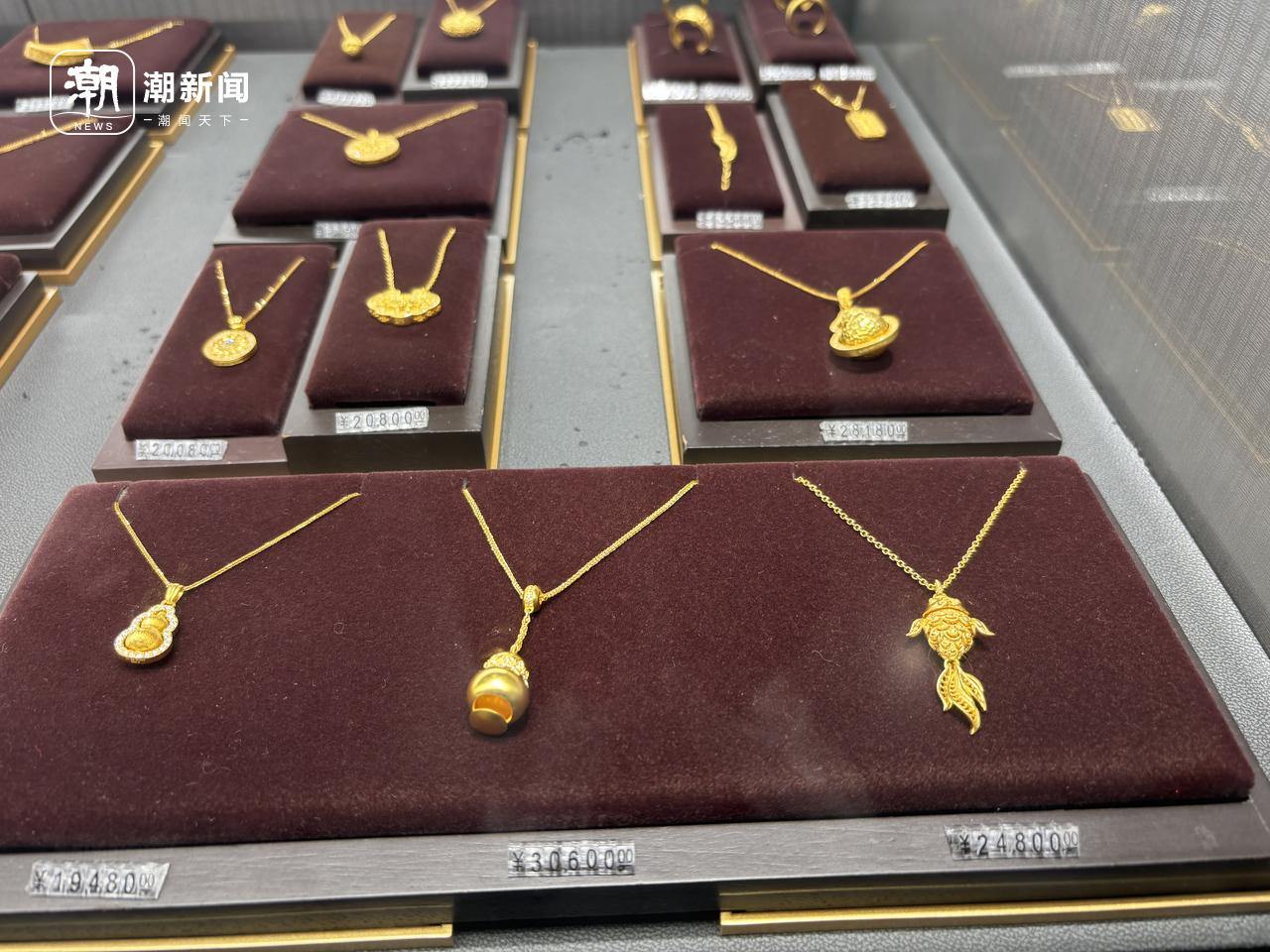
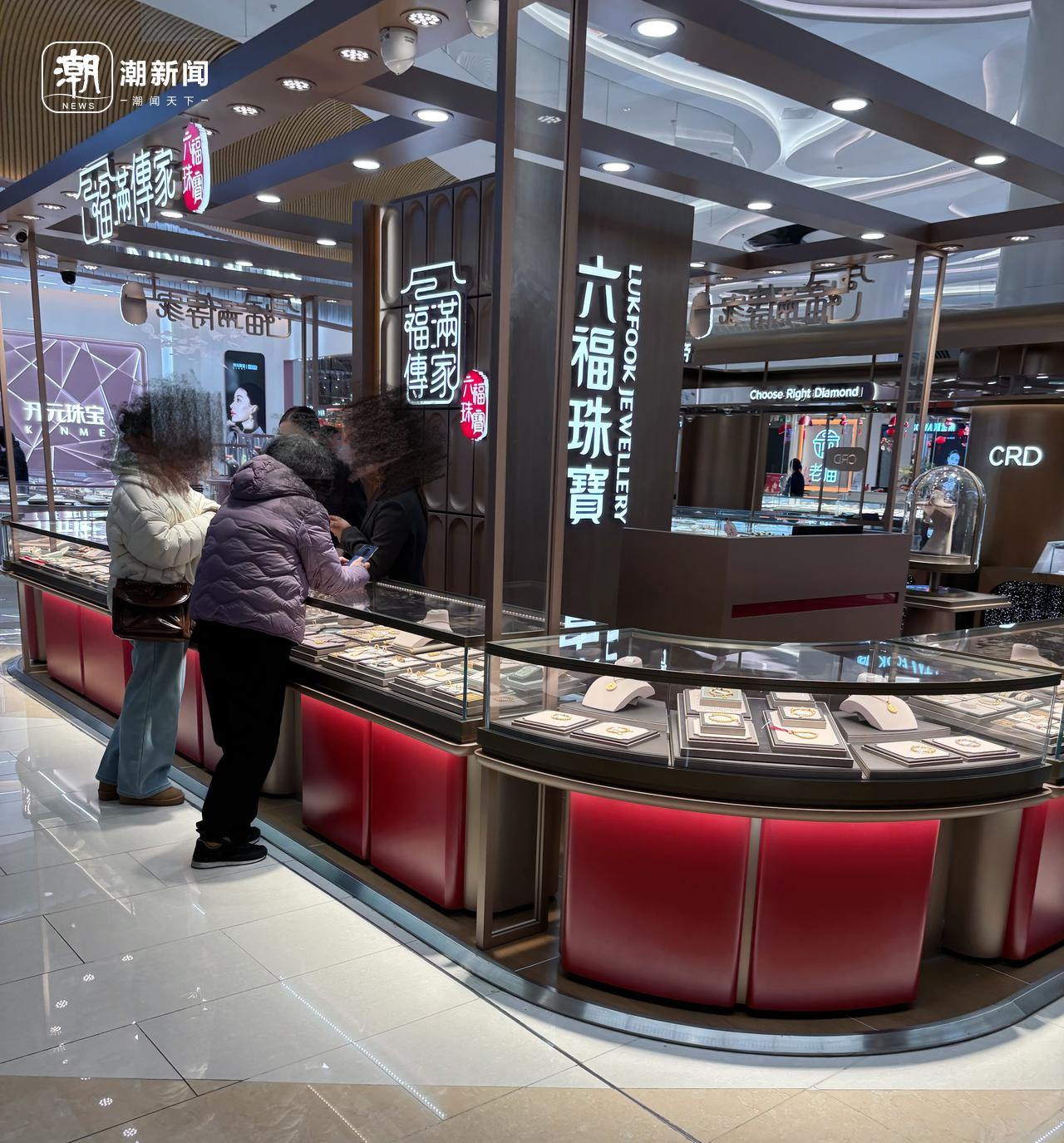
On the evening of the first day of the Lunar New Year, Ms. Xu from Hangzhou and her friend were selecting bracelets at a gold store in an Olympic-themed city. The price of gold jewelry that day was 1,529 yuan per gram. Ms. Xu sighed that this price wasn’t significantly lower than the over 1,600 yuan per gram at the end of January. However, the salesperson calmly told her: Buying gold jewelry is not an investment; the main purpose is to buy something you like. In fact, the recent drop in gold prices has not deterred customers who intended to buy. In the end, after promotional discounts, Ms. Xu spent nearly 20,000 yuan to buy a gold tiger-head pendant.
International institutions remain optimistic about the precious metals market.
In the jewelry market, several investors told the reporter that they are particularly concerned about whether precious metal prices can stabilize and move upward after experiencing a dramatic “roller coaster”行情. The reporter noted that many international institutions remain bullish on the precious metals market.
On February 2, the Chief Investment Office (CIO) of UBS Wealth Management indicated that despite the sharp drop in gold prices at the end of January, concerns about the independence of the Federal Reserve, geopolitical tensions, and policy instability may continue to support the subsequent upward trend of gold. UBS Wealth Management raised its gold price target for the first three quarters of 2026 to $6,200 per ounce, a significant increase from the previous target of $5,000 per ounce.
On February 3, Gregory C. Shearer, Head of Basic Metals and Precious Metals Strategy Research at Morgan Stanley, predicted that diversified allocation demand from central banks and investors will remain strong this year, enough to push gold prices to $6,300 per ounce by the end of 2026 and further to $6,600 per ounce in 2027.
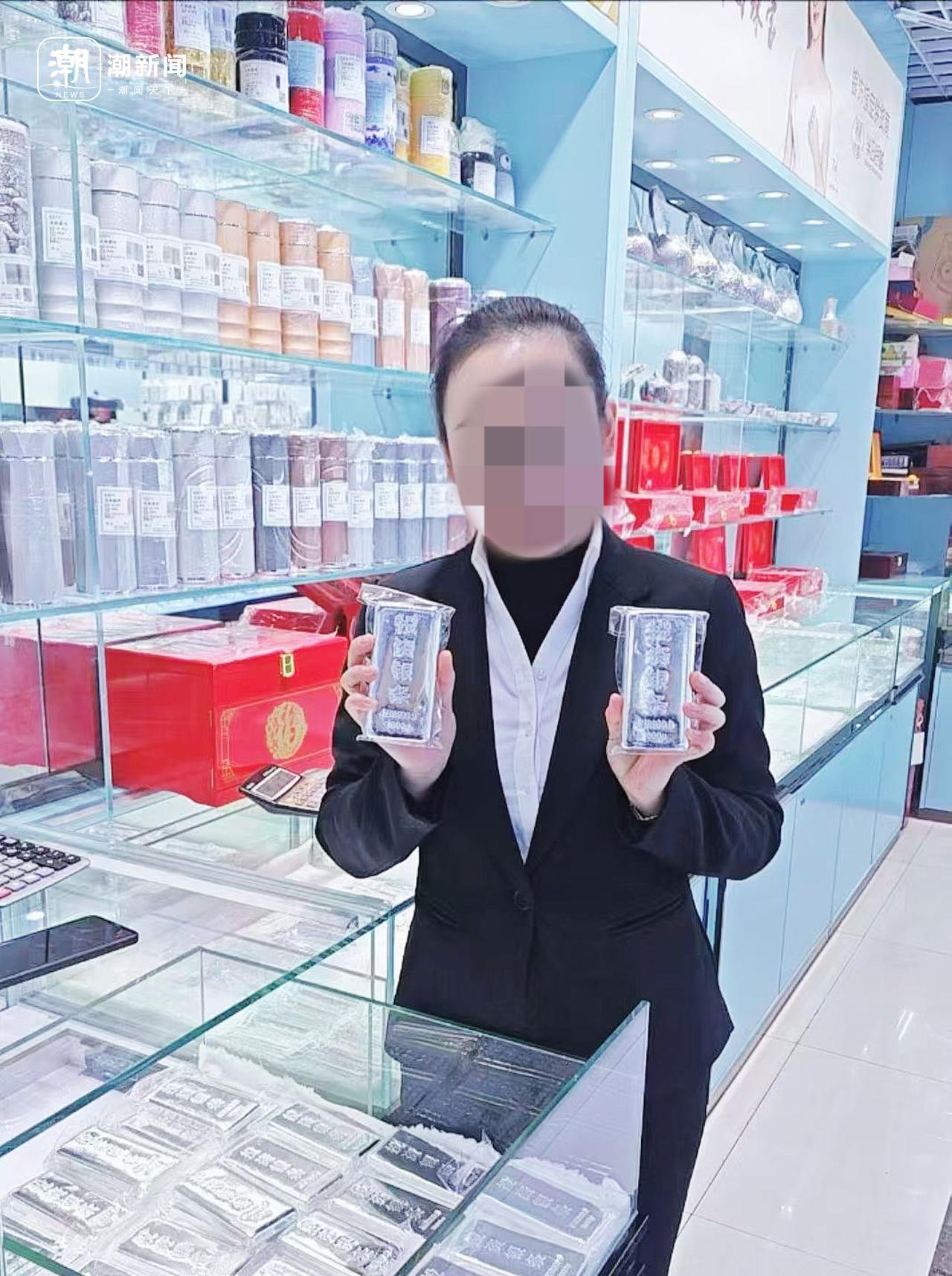
Silver seems to be viewed similarly. The latest report from the World Silver Council points out that the silver market will experience a supply deficit for the sixth consecutive year in 2026, with the deficit reaching 67 million ounces. The association stated that the potential driving factors that supported silver price trends for most of 2025 remain stable this year. These include tight physical supply in London, turbulent geopolitical backdrop, uncertainty in U.S. policy, and concerns about Federal Reserve independence. Global silver demand in 2026 is expected to remain largely unchanged, as steady growth in retail investment may offset most of the losses in other key demand areas, particularly the decline in jewelry, silverware, and industrial demand.
Analysts suggest maintaining a balanced and steady investment portfolio.
For ordinary investors, after experiencing a sharp correction, previous investment gains may have suffered significant withdrawals. So, how should everyone invest in precious metals going forward?
Zheng Hao, a senior macro analyst at Zheshang Futures Research Center, stated in an interview: The暴涨暴跌 in gold since January is mainly due to excessive speculative long positions earlier, leading to accumulated adjustment pressure from the rapid rise. Later, triggered by concerns about a policy shift following the nomination of the new Fed Chair, this triggered a cascading decline. It can be seen that more reasons come from the reversal and release of sentiment, not fundamental factors.
Looking ahead to 2026, structural doubts about U.S. dollar credit and other factors supporting gold’s long-term core logic still exist. At the same time, sustained gold purchasing demand from central banks of various countries remains at a relatively high level, which can support gold prices in maintaining an upward trend.
Zheng Hao suggested, “Later, you can wait for volatility to decrease before mainly observing the direction of Fed policy and geopolitical dynamics.”
Yan Mengyuan, a silver analyst at Zheshang Futures, stated in an interview that this round of silver price correction was triggered by a shift in market expectations from a weak U.S. dollar to a strong U.S. dollar, thereby weakening silver’s financial demand, triggering profit-taking by funds and amplifying the decline in silver prices. In addition, since December 2025, strengthened risk management for the silver market by domestic and foreign exchanges has also been cooling down the overheated speculative market.
Looking at the future market trend, Yan Mengyuan believes that medium to long-term expectations of loose Fed monetary policy remain unchanged, and current regional silver inventory tightness issues still support silver prices. However, current silver volatility is at a historical high, and it is recommended to wait for volatility to decrease before operating. Furthermore, the current registered warehouse receipt volume for COMEX silver has further dropped to below 3,200 tons, and subsequent exchange delivery risks need attention.
A senior manager from the international department of a state-owned bank in Zhejiang told the reporter that in recent years, the valuation logic of gold has undergone fundamental changes. This transformation began during Trump’s first term. His policies impacted the long-established U.S. dollar credit system, and gold’s value as a “natural currency”替代 has significantly increased. Central banks of various countries have gradually increased their gold reserves, forming a long-term trend.
This senior manager believes that future factors supporting the gold trend include expectations of Fed rate cuts, geopolitical risks, and sustained central bank gold purchases. He further stated that although the new Fed Chair, Wojcik, appears superficially hawkish, he is actually dovish. The market generally expects the U.S. to enter a rate cut cycle, increasing the probability of a decline in the U.S. dollar index, which supports gold. Simultaneously, the current Israeli-Palestinian situation, the Greenland issue, and the Russia-Ukraine conflict continue to escalate, pushing up safe-haven demand. The trend of various countries adjusting foreign exchange reserves and increasing the proportion of gold is still continuing, providing structural support for gold prices.
The aforementioned senior manager told the reporter that after gold’s rapid rise earlier, profit-taking emerged in the market. Coupled with short-term sentiment fluctuations brought by Wojcik’s election, it triggered a pullback in gold prices. This is more about speculative trading pressure and technical correction, not a change in fundamentals. Compared to gold, silver has stronger monetary and industrial attributes and speculative factors, making its fluctuations more intense.