Editor’s Note
This analysis examines the potential market effects of a significant reduction in U.S. tariffs on Indian goods, highlighting implications for consumer prices, trade flows, and competitive dynamics.

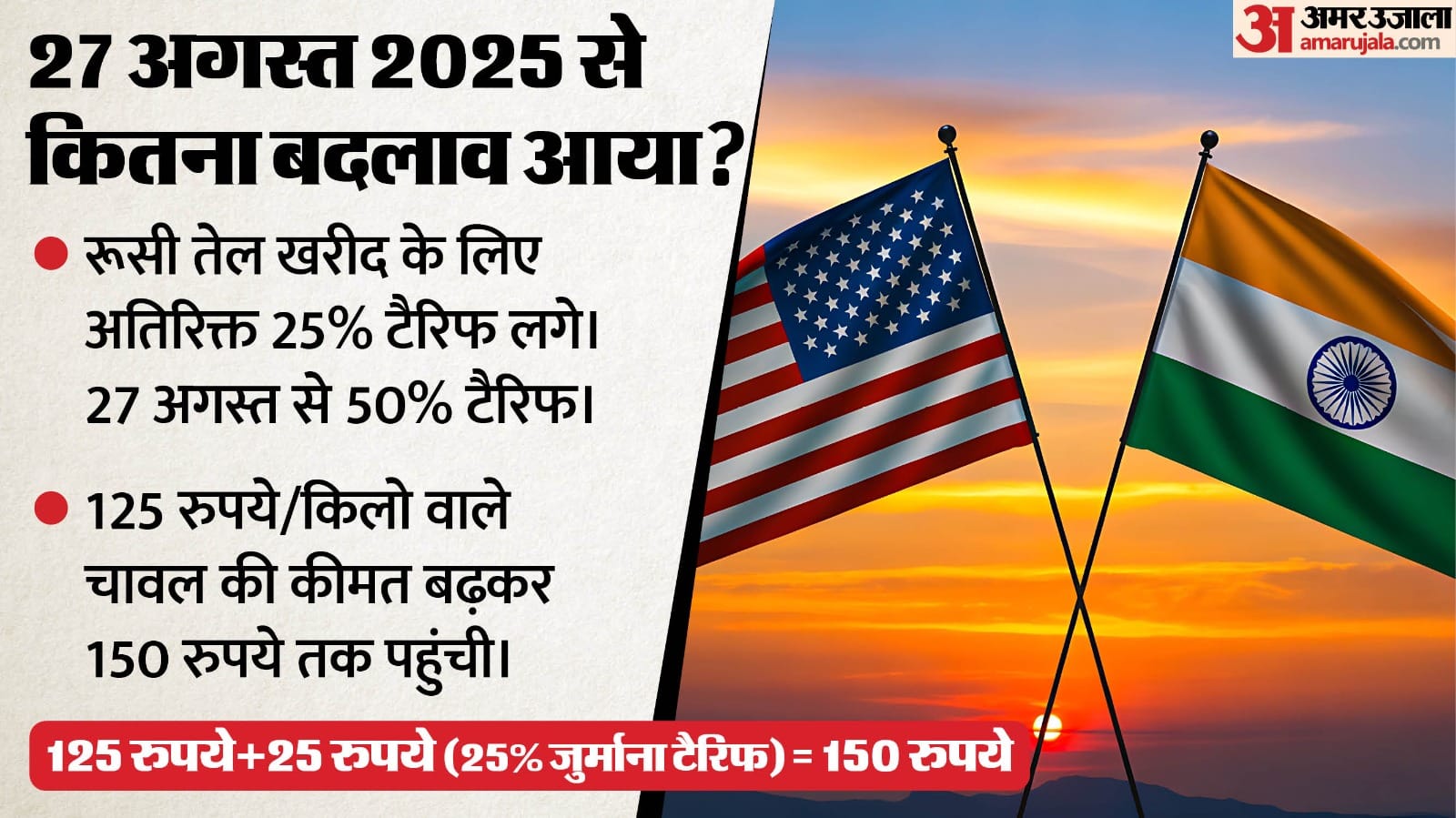
Thanks to this decision, American consumers/companies importing products from India, which previously paid up to 50% in tariffs, will now pay only 18%. The effect will be that the price of Indian products in the American market will decrease, and their consumption, which had somewhat declined, will return to its previous levels. In the long term, India will maintain a competitive advantage over its trade rivals through these tariffs, as American citizens may prefer Indian products over those from other countries.
Our textile, gems and jewelry, agriculture, and some other sectors are likely to feel the impact of this tariff reduction.
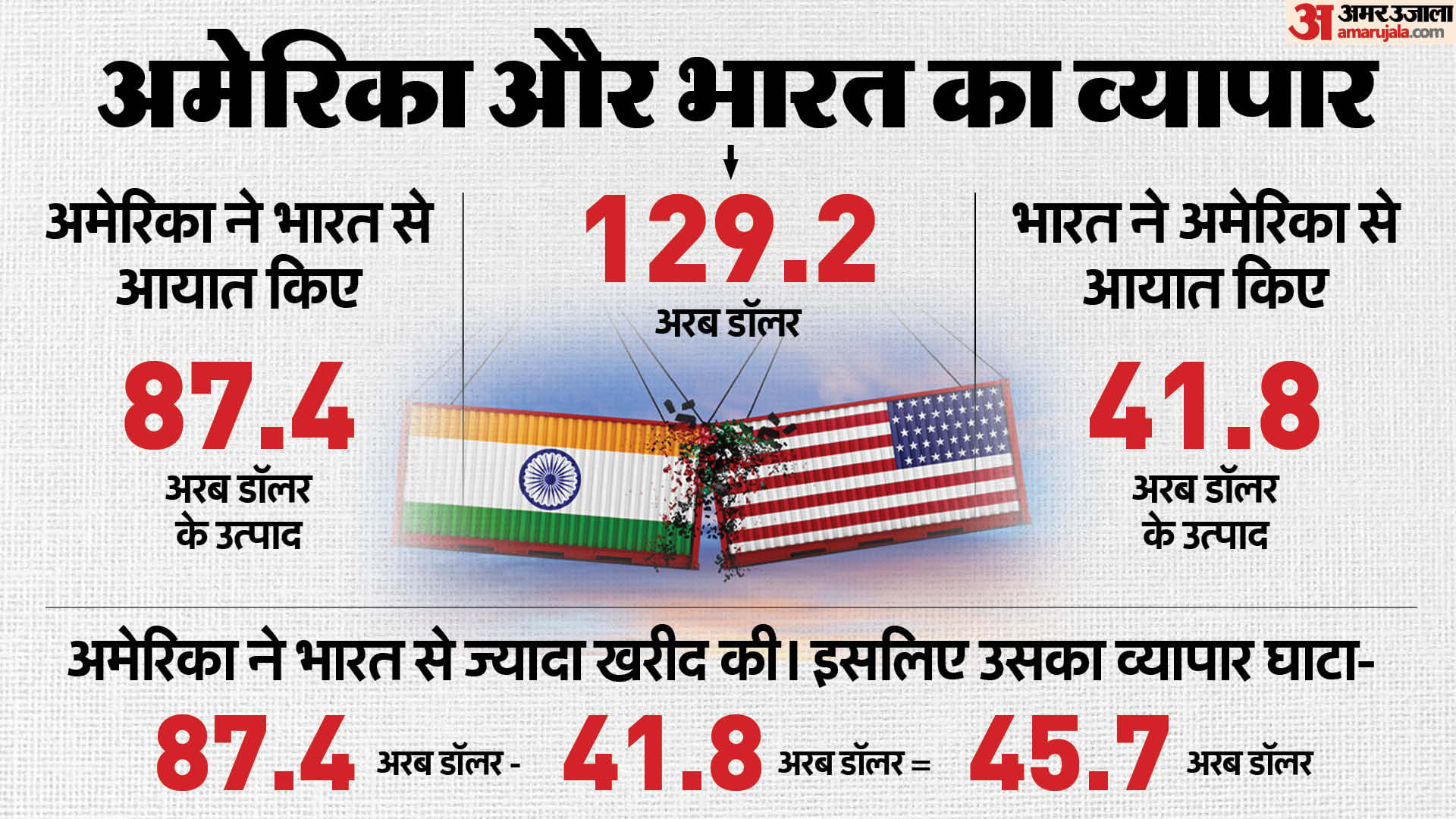
A significant portion of India’s textile industry exports has been dependent on the United States. In fact, until the tariffs were implemented, 28% of India’s total textile exports went to the US alone, valued at over $10.3 billion. India was the most affected when tariff rates increased to 50%, because importers in the US had to pay higher prices for Indian textiles. Meanwhile, countries like Vietnam, Indonesia, and Bangladesh benefited from lower tariffs. The US imposes a 19% tariff on Vietnam, while Trump imposed a 20% tariff on Indonesia. Similarly, tariff rates on Bangladesh and Cambodia are also below 20%.
In this regard, India’s textile sector suffered competitive losses due to US tariffs. The impact of the US tariffs was that even though India’s exports remained roughly the same, the increased cost of importing garments borne by American importers had to be shared by the Indian industry as well. Not only that, on some occasions, the Indian textile industry had to reduce the price of its products at the source itself. That is, a T-shirt that was previously manufactured and shipped for 1000 rupees was being sent to the US by Indian exporters at lower prices to save their American market.
The US tariffs also had a significant impact on India’s gems and jewelry sector. This sector exports $12 billion to the US annually. Previously, the US imposed zero duty on polished diamonds exported from India. Meanwhile, tariffs on gold and platinum jewelry were 5-7%, and on silver jewelry, 5-13.5%. However, when tariffs reached 50%, sectors related to Indian gems and jewelry suffered major losses. In Surat, famous as the Diamond Hub in Gujarat, the situation was such that there were reports of job losses for many people working there.
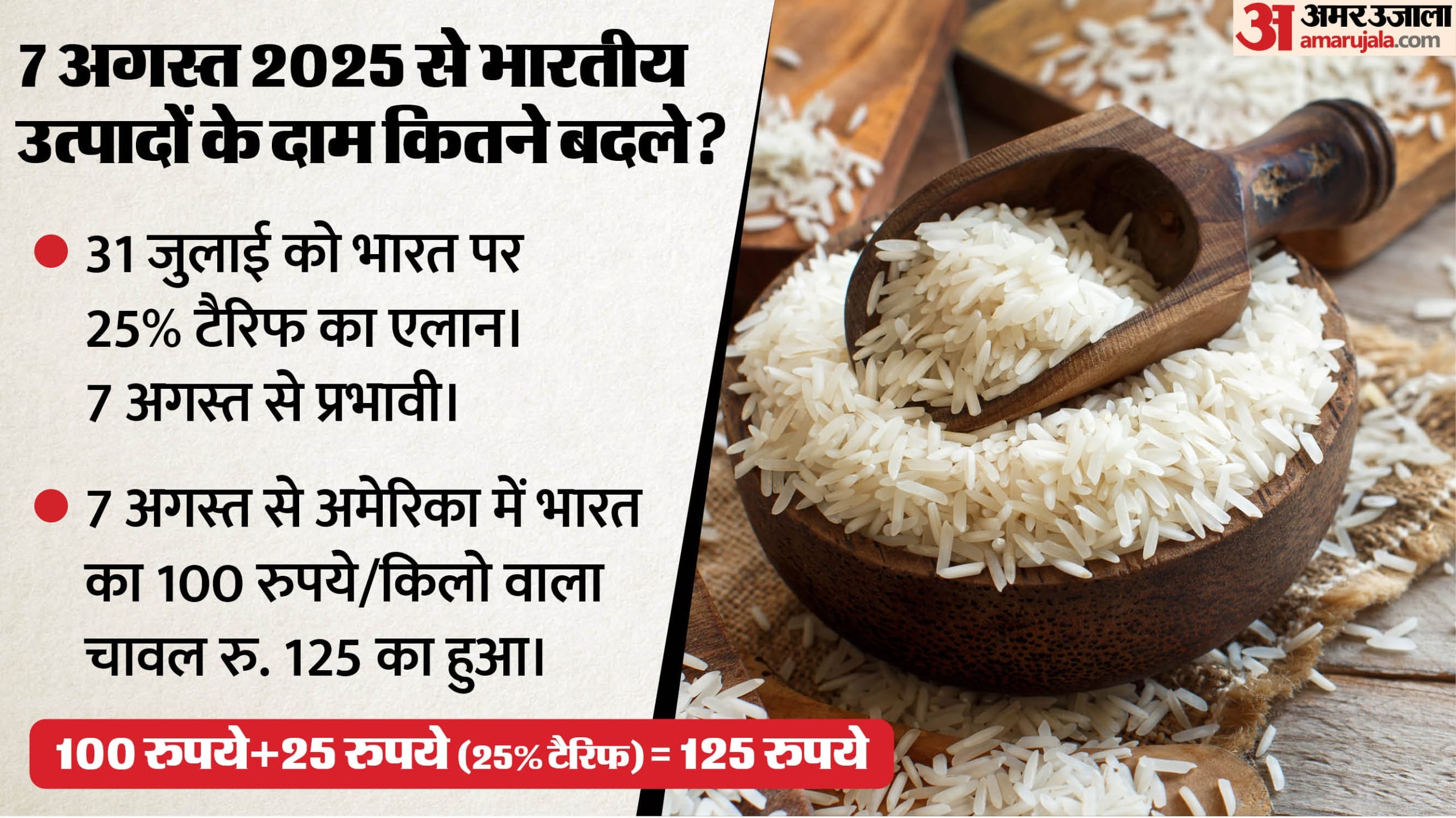
India exports over $5.6 billion worth of agricultural products to the US. Major exports include marine products, spices, dairy products, rice, AYUSH and herbal products, edible oils, sugar, and fresh vegetables and fruits. Trump’s tariffs had the greatest impact on India’s seafood industry, i.e., marine products. However, with tariffs now reduced to 18%, India could benefit.
In addition to these sectors, the leather and footwear industry exports $1.18 billion to the US annually, the chemical industry $2.34 billion, and the electrical and machinery industry $9 billion.
1. Electronics