Editor’s Note
Despite broader economic headwinds and rising prices, the jewelry market demonstrates remarkable resilience. As major brands expand their footprint and precious metal costs climb, the sector’s trajectory remains a key focus for the industry.
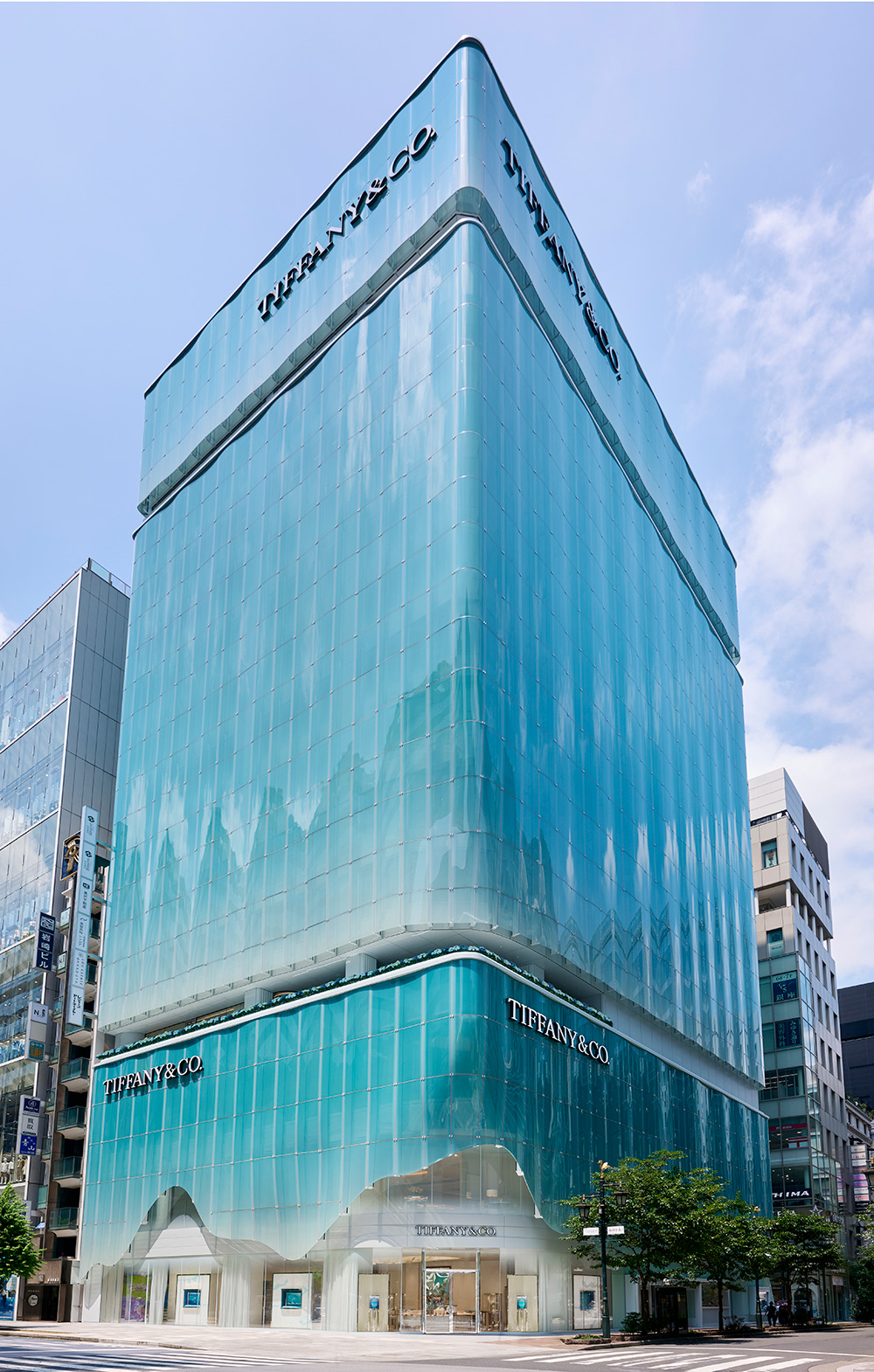
Despite a decline in inbound consumption of high-value items and repeated price increases, jewelry continues to sell well. Last year, the presence of jewelers increased with the opening of Asia’s largest flagship stores for Cartier and Tiffany & Co. in Ginza. With the continued rise in precious metal prices expected this year, in which direction is the industry heading?
(This article is an excerpt from the “WWDJAPAN” January 5 & 12, 2026 combined issue)
Kyoko Masunari / Editorial Reporter
Universal Asset Value Becomes Crucial
The jewelry market remained vibrant in 2025. Due to general inflation, consumers are focusing more than ever on the intrinsic value of products. The continuous surge in gold prices has shifted demand in the jewelry market towards fine jewelry using precious metals. Sales continue despite repeated price hikes. Jewelry can be worn and enjoyed daily, and its value may increase in the secondary market. From this perspective as well, jewelry has become established as an asset value among many consumers.
While a decline in inbound consumption of high-priced items is observed, many note that jewelry is supported by domestic customers, with sales at many department stores seeing double-digit growth. As “reward demand” shifts towards jewelry and demand diversifies, the surge in precious metal prices makes it difficult to offer low-priced jewelry. Consequently, demand from consumers who view jewelry as an asset is shifting from entry-level to mid-price ranges.