Editor’s Note
Jharkhand, traditionally known for its mineral wealth, is cultivating a new economic identity through freshwater pearl farming. This emerging rural industry, supported by government initiatives and local entrepreneurship, highlights a promising shift toward sustainable livelihoods.

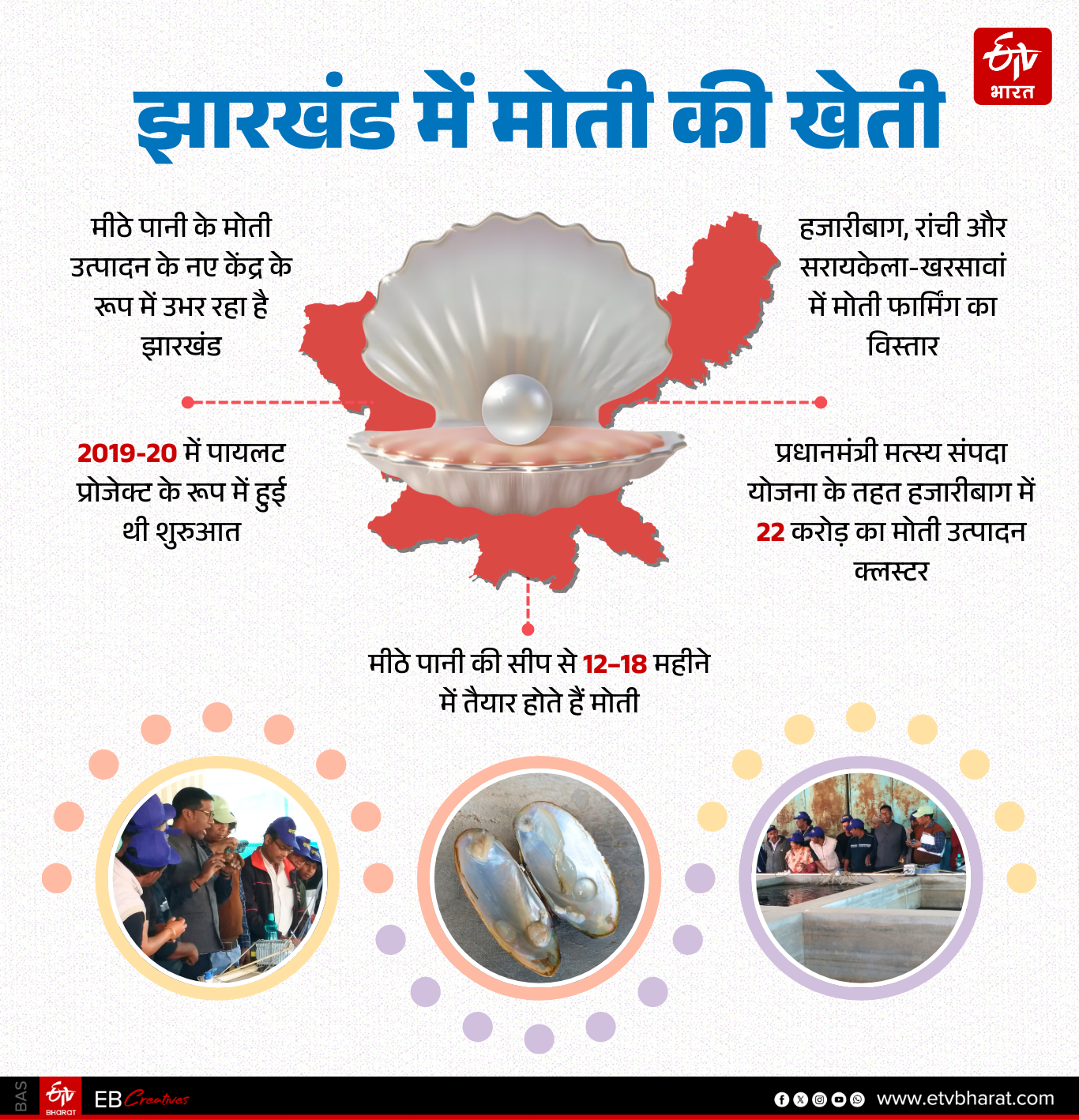
Jharkhand, long recognized as a land of minerals and forests, is gradually carving out a distinct identity in a new field: freshwater pearl production. This cultivation, thriving in ponds across districts like Hazaribagh, Ranchi, and Seraikela-Kharsawan, is no longer just an experiment but is becoming an emerging, strong pillar of the rural economy. Government schemes, technical training, and the entrepreneurial mindset of the youth have combined to shape pearl farming into a profitable cottage industry in Jharkhand. Moving away from the job search after completing their studies, a large number of young people are now seeking a path to self-reliance in this sector.
The foundation for pearl production in Jharkhand was laid in the year 2019-20 when the state government initiated it as a pilot project. Initially, this experiment was on a limited scale, but the results were encouraging. Pearl production using freshwater mussels in ponds proved that this activity is not only possible but also economically beneficial. From here, the scheme gradually transformed into an organized framework. Today, it is not just a scheme but has become a complete ecosystem involving skill development, training, production, and market linkages.
Pearl production gained real momentum when the central government gave Jharkhand special recognition under the Pradhan Mantri Matsya Sampada Yojana (PMMSY). With an investment of 22 crore rupees, Hazaribagh was declared the state’s first pearl production cluster. This notification not only gave Jharkhand recognition at the national level but also strengthened the confidence of farmers and youth in this sector. This cluster is now becoming a center for training, technical assistance, availability of mussel species, and market linkages.
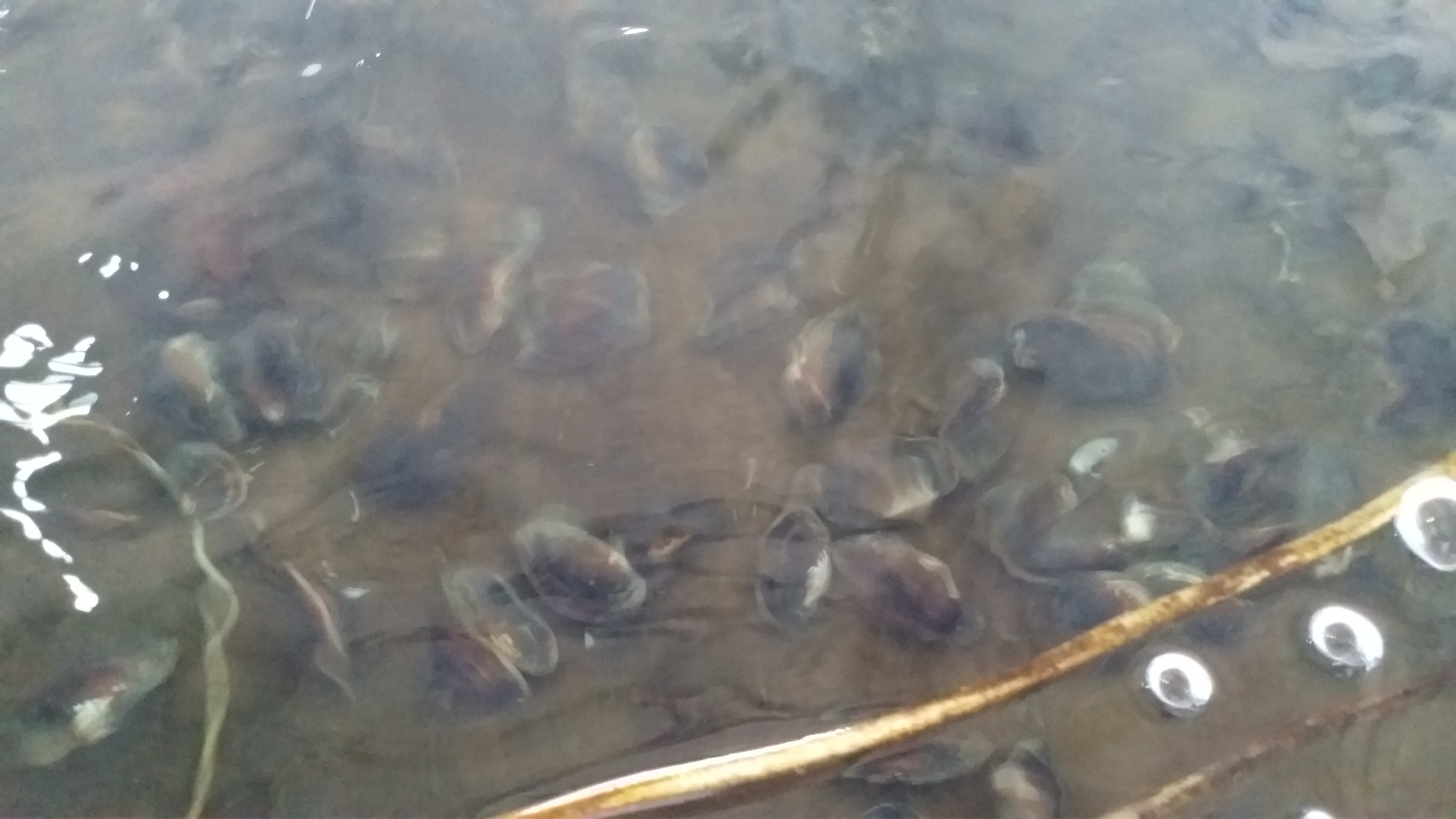
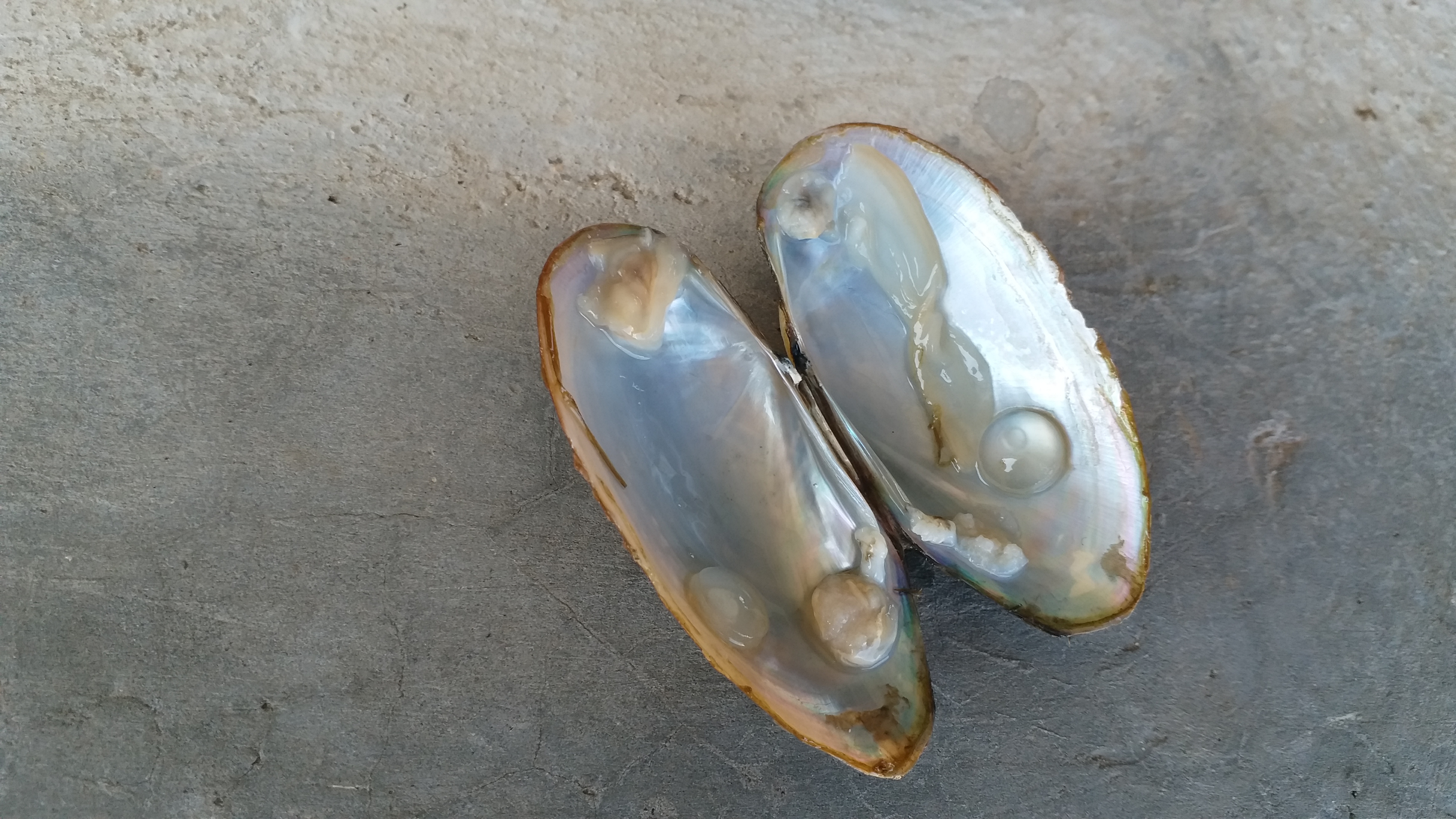
In Jharkhand, pearl production is primarily being carried out through freshwater mussels. In this technique, a special nucleus is surgically implanted inside the mussel. The mussel is then kept safe in a pond or controlled water reservoir for 12 to 18 months. If the care is proper, water quality remains balanced, and the technical process is precise, a pearl gradually develops inside the mussel. Typically, one pearl is obtained from one mussel, whose market price can range from 100 rupees to 1000 rupees or more.
The biggest feature of pearl farming is its low initial investment and high return. Starting pearl production with about 1000 mussels incurs an initial cost of less than one lakh rupees. Within 3 to 4 years, this business has the potential to yield profits up to nearly 10 times. This is why this cultivation is becoming highly attractive for small farmers, self-help groups, women, and rural youth.
Training is playing the most crucial role in making pearl production successful. Without technical knowledge, this farming can be risky. Recognizing this need, several specialized training centers have been established in Jharkhand. The most prominent among these is the Purty Agrotech Training Center in Ranchi. Established in 2024 with Corporate Social Responsibility (CSR) funds, this center has now become the hub for pearl production training in the state. So far, over 132 farmers have received training in advanced pearl production techniques from here. These farmers are going to their respective districts and training others, thereby multiplying the reach of knowledge.
Budhan Singh Purty, a mechanical engineering graduate from NIT Jamshedpur who now operates the Purty Agrotech center, explains that during training, special emphasis is being placed on the production of round pearls.
Pearl production does not succeed merely by placing mussels in a pond. Rather, it requires skilled surgical grafting. Additionally, the correct use of special equipment, vigilant management after the surgical procedure, continuous monitoring of water quality, and regular inspection of the mussels are essential. Special attention is being given to all these aspects in training programs to improve production quality and survival rates.
Seeing the growing potential of pearl production, educational institutions are also beginning to get involved in this sector. St. Xavier’s College in Ranchi has started certificate courses in pearl production ranging from 6 months to one and a half years. These courses include scientific principles along with field training so that students can work directly on the ground after their studies.
Professor Ritesh Kumar Shukla of St. Xavier’s College believes that pearl production is emerging as a new area of employment in Jharkhand.
The scope of training related to pearl production in Jharkhand is continuously expanding.
Number of farmers trained in pearl production in 2024-25: 12
In 2025-26, 332 people trained in 8 batches so far
Considering government and private efforts together, there are now over 800 trained pearl producers active in Jharkhand. This number is likely to increase even more rapidly in the coming years.