Editor’s Note
After years of cautious observation, Titan has made a decisive entry into the lab-grown diamond market with its new brand, beYon. This move marks a significant strategic shift for the company in a rapidly evolving industry.
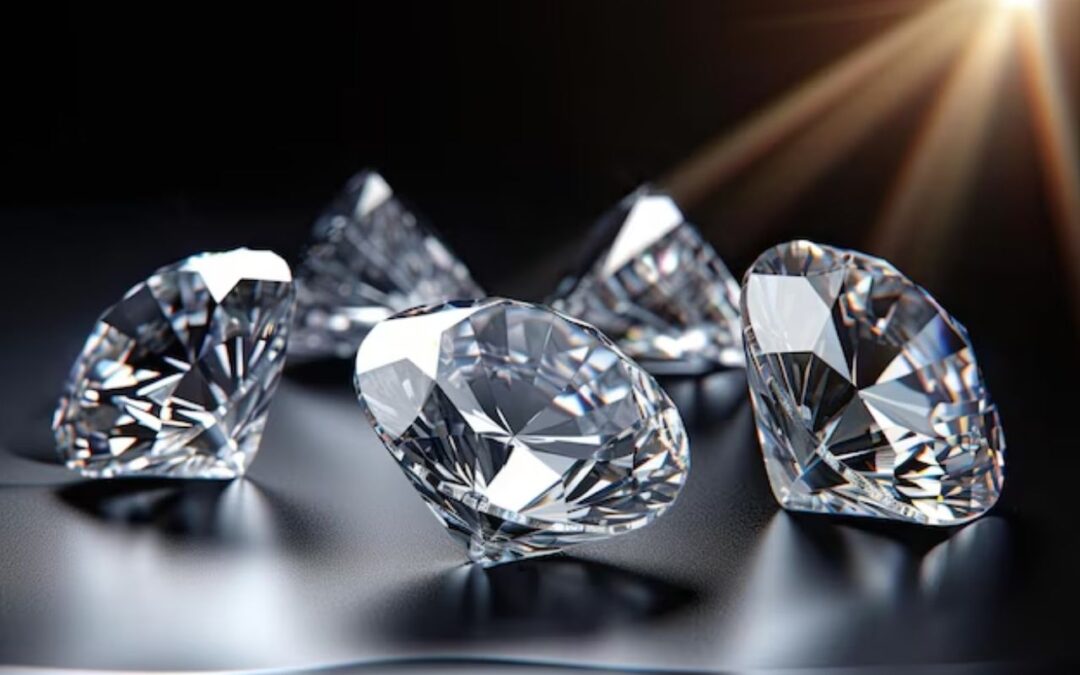
Titan stayed away from lab-grown diamonds for years due to weak consumer demand, price pressure, and unclear economics. Despite repeatedly signalling caution, the company made a sudden entry with the launch of beYon in late 2025, marking a sharp shift from observation to action in an industry it had long kept at arm’s length.
On 26th December 2025, Titan announced that it would launch a new brand, “beYon – from the House of Titan,” with an exclusive retail store in Mumbai on 29th December. The new venture aims to cater to women seeking lifestyle adornments beyond Titan’s traditional portfolio of watches, perfumes, sarees, and handbags.
beYon will offer a curated collection of Lab-Grown Diamond (LGD) jewellery, marking the company’s first meaningful foray into this emerging segment. Titan plans to open a few more stores in Mumbai and Delhi in the near term, signaling a cautious but deliberate expansion into LGDs. This move is notable, as Titan is not the first Tata Group company to explore lab-grown diamonds, Trent had earlier entered the space through its brand Pome, but it is significant given Titan’s leadership in India’s jewellery market.
Titan’s decision to enter the lab-grown diamond segment comes after a prolonged period of staying out of the category, even as lab-grown diamonds steadily gained attention across the jewellery industry. While the segment attracted growing discussion and interest, Titan consistently maintained distance, citing concerns around demand, pricing, and the structure of the market.
The timing of the move, however, marks a clear break from that earlier stance. After years of hesitation, Titan has chosen to step into a segment it had long watched from the sidelines, setting the stage for questions around why now?
Even as early as Q2FY25, Titan’s management recognized the potential of lab-grown diamonds but was wary of overestimating demand. Analysis of the market revealed that consumer interest declined sharply beyond the Rs. 1 lakh price point, with most LGD products being sold in the Rs. 50,000 to Rs. 70,000 range. While some high-end consumers might explore larger stones in the Rs. 10-15 lakh range, these cases were limited and difficult to predict. Consequently, Titan saw that the market was largely constrained to sub Rs. 1 lakh buyers, which did not align with the company’s core strategies in the premium jewellery space.
The company also observed that early adopters of lab-grown diamonds tended to be affluent, established diamond buyers who already owned natural diamonds. These customers were comfortable experimenting with LGDs for solitaires and larger stones, but first-time buyers and new entrants in the diamond market largely preferred natural diamonds. For Titan, which has built its brand on trust, authenticity, and value retention, this posed a strategic challenge. Selling LGDs at the lower end of the market could not easily justify a broad launch, while targeting high-value buyers risked a niche offering that might not scale.
In Q1FY26, Titan management highlighted a critical reality check: despite the media hype and the presence of over 50 players and 100 plus stores in India, the LGD market represented less than two percent of the total diamond-studded jewellery market. While growth was expected over time, the current size remained limited. Management emphasized that retail prices for LGDs had been falling, with wholesale prices declining even faster. In India, retail rates hovered between Rs. 30,000 and Rs. 50,000 per carat, significantly lower than previous levels.
Without strong intellectual property or brand-led differentiation, Titan feared that LGDs could become a price-driven market where larger stones and more diamonds would dominate purely on cost advantage. The concern extended to unit economics at the store level, which could be under pressure as new entrants, often backed by private equity, opened additional stores aggressively. Titan was acutely aware that premature entry could jeopardize margins and brand perception, leading to an operational and financial scenario that may not align with the company’s long-term vision.
A recurring theme in Titan’s analysis was the consumer perspective. In Q4FY25, management noted that while wholesale prices were falling steadily due to technological and productivity gains, retail adoption remained limited. Customers were still learning about lab-grown diamonds and were often confused about their value, authenticity, and resale potential. Many first-time buyers continued to prefer natural diamonds, viewing them as markers of affluence, status, and long-term value.
The company’s approach to consumer insights was nuanced. Management observed that the first-time buyers in India typically purchase diamond jewellery around Rs. 1 lakh, a threshold at which natural diamonds still hold the strongest appeal. Early adopters of LGDs were primarily those who already owned diamonds worth several lakhs and could afford to experiment. Consequently, the broader mass market had yet to develop sufficient awareness or interest, limiting the scale and pace at which Titan could confidently enter the segment.
