Editor’s Note
This article highlights key trends in fine jewelry self-purchasing, revealing that personal milestones and spontaneous moments drive sales. Notably, rings are the most popular self-purchased item, and distinct gender-based shopping behaviors underscore the importance of tailored marketing strategies.
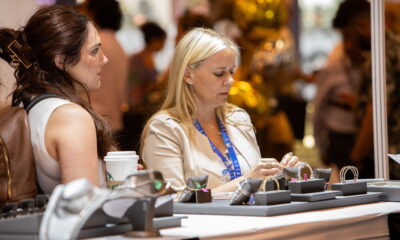
Life moments still lead the way: Birthdays, holidays, and ‘just because’ moments remain the top triggers for fine jewelry self-purchases.
Rings take the top spot: Rings emerged as the most frequently self-purchased item, surpassing necklaces and earrings.
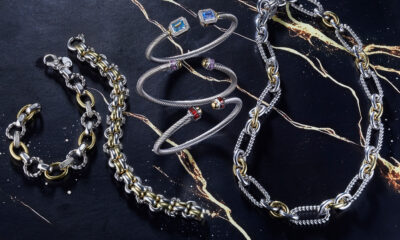
Distinct shopping behaviors by gender: Men are more likely to purchase jewelry to mark achievements or milestones, while women more often buy spontaneously.
The omnichannel path is the norm: In-person shopping continues to dominate, often supported by online research, with jewelry brand stores remaining the preferred destination.
A collector mindset is common: Nearly 60% of self-purchasers consider themselves collectors, signaling long-term emotional and financial attachment to their jewelry.
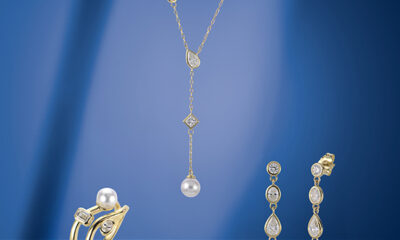
The study also highlights encouraging progress in jewelry care habits. Compared to prior years, fewer respondents reported using potentially harmful cleaning methods, and many continue to rely on jewelers as their primary source of care guidance. Jewelry boxes and safes remain the most common storage solution, while insured respondents reported more frequent professional inspections and appraisals.
When it comes to protection, more than 70% of self-purchasers reported having some form of insurance for their fine jewelry, however, many rely on homeowners or renters policies, pointing to an ongoing opportunity for education around protection coverage designed specifically for jewelry.

Jewelers Mutual commissioned the study as part of its continued commitment to understanding evolving consumer behavior and helping jewelry owners make informed decisions about purchasing, caring for, and protecting their most meaningful pieces.