Editor’s Note
This article reports on the landmark free trade agreement concluded between India and the EU, a deal two decades in the making. Its potential economic impact is significant, covering a quarter of global GDP. We will continue to follow the implementation and effects of this major pact.
After nearly two decades of arduous negotiations, India and the European Union (EU) officially announced the conclusion of a Free Trade Agreement (FTA) in New Delhi yesterday. The agreement, described by observers as a “deal of the century,” involves significant tariff cuts on most goods. It covers a population of 2 billion people, representing about a quarter of global GDP and one-third of global trade. Both sides expect the deal to reduce their dependence on the US market and reshape the global trade landscape.
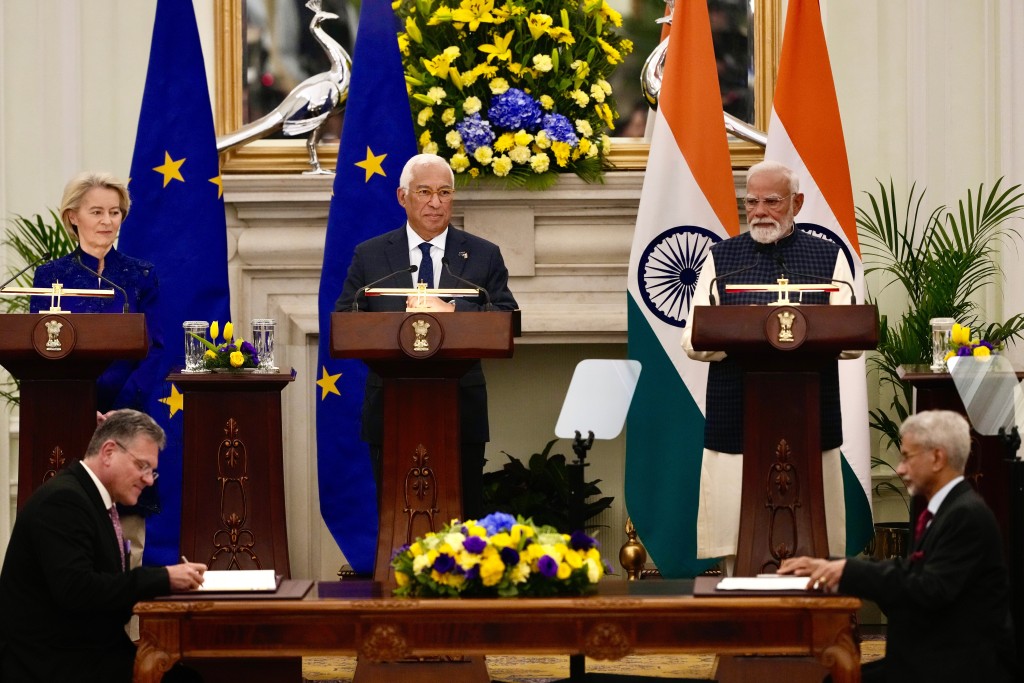
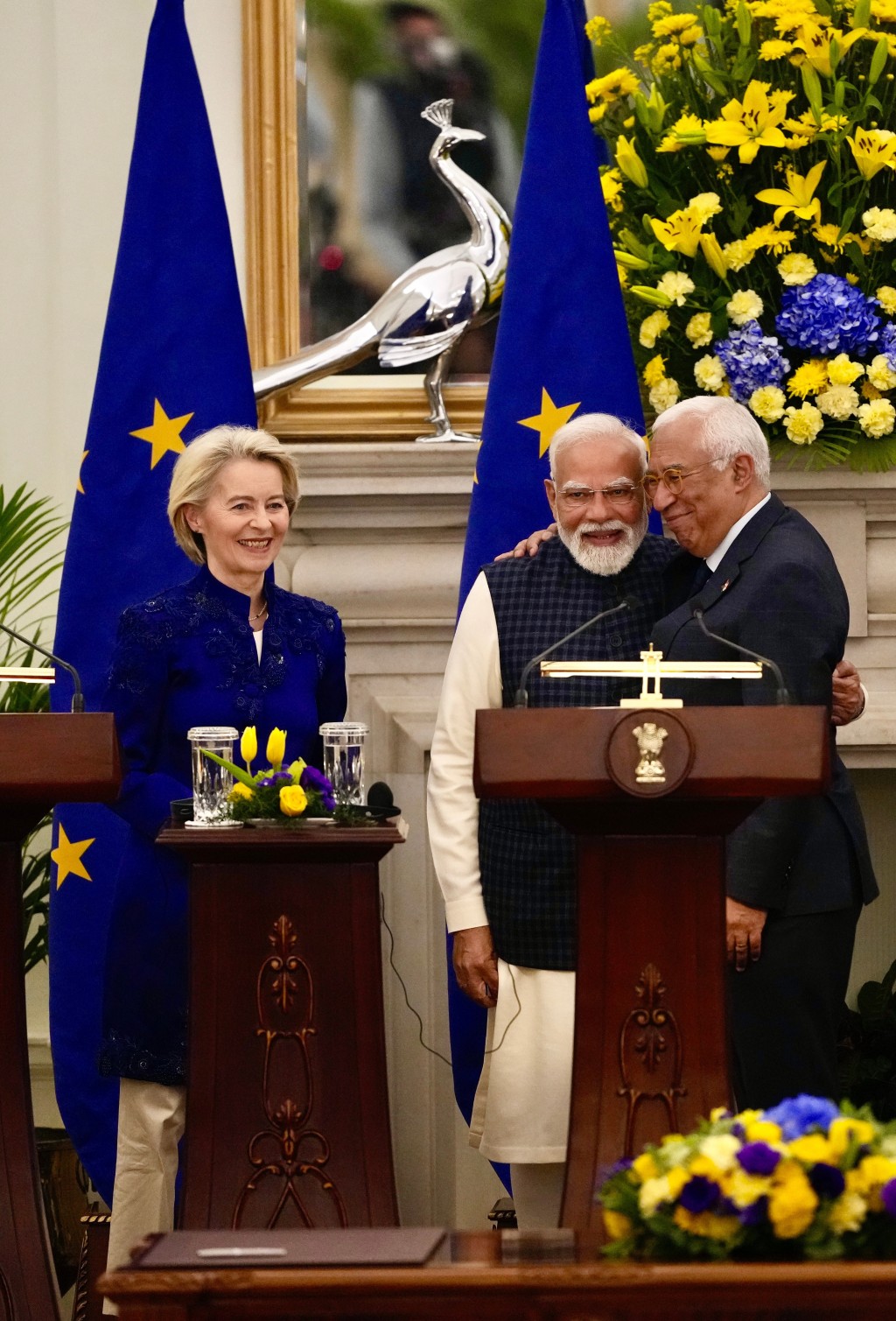
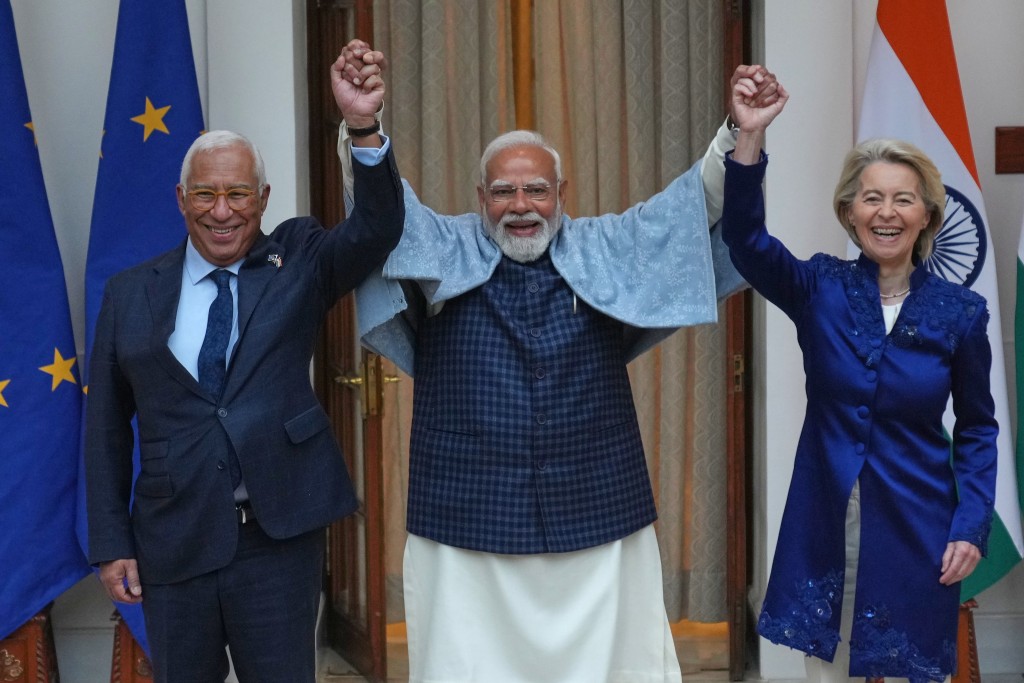
Indian Prime Minister Narendra Modi, European Commission President Ursula von der Leyen, and European Council President António Costa jointly unveiled the agreement details in New Delhi. Modi described it as the “largest agreement in history,” promising vast opportunities for India’s 1.4 billion people and European citizens. Von der Leyen stated, “Europe and India made history today.”
According to EU data, bilateral goods trade between India and the EU reached €120 billion in 2024, accounting for 11.5% of India’s total trade, a nearly 90% increase from a decade ago, with an additional €60 billion in services trade. Analysts note the deal comes as the US imposes high tariffs on economies like India, disrupting global trade and prompting major economies to accelerate their search for alternative markets.
Under the agreement, India will significantly open its market to European goods. Tariffs on European wine will be immediately reduced from 150% to 75%, gradually falling to 20%. Tariffs on spirits will also drop to 40%. Tariffs on machinery, chemicals, and pharmaceuticals will be largely eliminated, with current machinery tariffs as high as 44%. For automobiles, India will slash import duties on certain European cars from the current 110% to 10% within five years, benefiting European automakers like Volkswagen, Renault, Mercedes-Benz, and BMW. Upon the agreement’s entry into force, tariffs on up to 250,000 cars annually valued over €15,000 will immediately drop to 30-35% and be eliminated within five years.
The EU has committed to eliminating tariffs on 99.5% of imports from India within seven years. Products including seafood, leather, textiles, chemicals, rubber, base metals, as well as gems and jewelry will enjoy zero-tariff treatment. However, due to domestic political considerations, India has excluded dairy products and cereals from the deal. The EU has also refused to offer tariff concessions on Indian sugar, meat, poultry, and beef products.
Beyond economic and trade areas, both sides agreed to enhance defense and security cooperation and plan to sign a separate agreement to facilitate the mobility of workers, students, researchers, and highly skilled professionals. The EU estimates that once the agreement is fully implemented, EU exports to India will “double” by the end of 2032, with tariffs eliminated or reduced on 96.6% of traded goods (by value), saving European businesses approximately €4 billion in annual tariff costs.
Before the formal signing, a legal review process lasting about five to six months must be completed. Indian officials expect the agreement to take effect within a year.