Editor’s Note
This article highlights how a personal need can reveal a significant market opportunity. It details the founding story of a company built on identifying a gap in the luxury rental sector.
In 2017, while preparing for her upcoming wedding at New York’s Plaza Hotel, Blake Geffen hoped to rent some luxury accessories to complete her bridal look. She was disappointed to find that while many online jewelry rental services existed, there was a significant gap in the high-end jewelry rental market.
Having worked in fashion PR, Geffen and her husband Wayne, who has a finance background, recognized a prime business opportunity. After their honeymoon, they drafted a business plan and founded Vivrelle, a luxury accessory service renting designer jewelry and handbags.
Consumer demand for high-end jewelry is on the rise globally. Antoine Belge, an analyst at investment firm Exane, forecasts the global high-end jewelry market will grow 10-12% annually over the next five years. A new generation of young consumers wants the option to both rent and buy.
However, high-end jewelry rental faces numerous challenges distinct from other rental products, including insurance issues, high logistics costs from repeated shipping and returns of expensive items, and high service expectations.
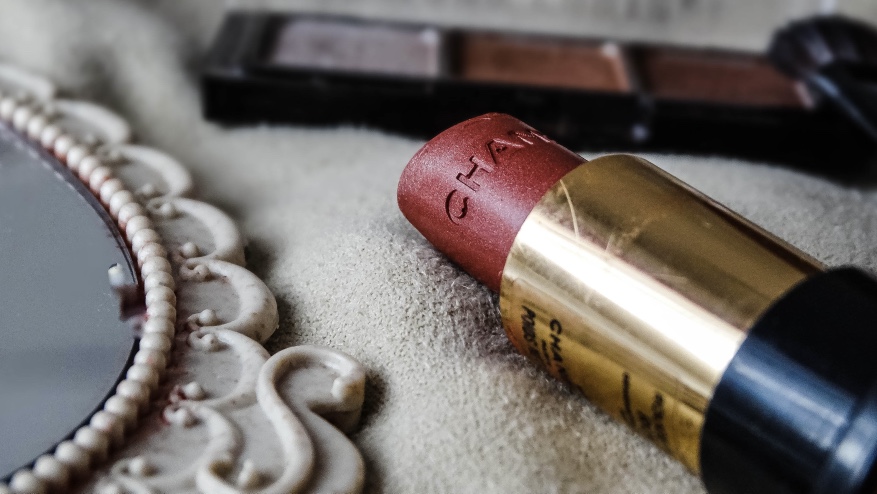
Profit margins in high-end jewelry rental are also relatively low. Rental prices vary widely. London-based rental company Hurr states its jewelry rental fees average about 8% to 10% of the suggested retail price—for example, renting a pair of Susan Caplan Chanel earrings retailing for £1,075 costs between £83 and £227. Verstolo, a New York-based fine jeweler also offering some rentals, says its fees range from 2% to 5% of retail price, with items renting for $275 to $625, and brides typically spending around $1,000 total on jewelry rentals. Vivrelle uses a tiered membership model and diversifies risk by also renting handbags.
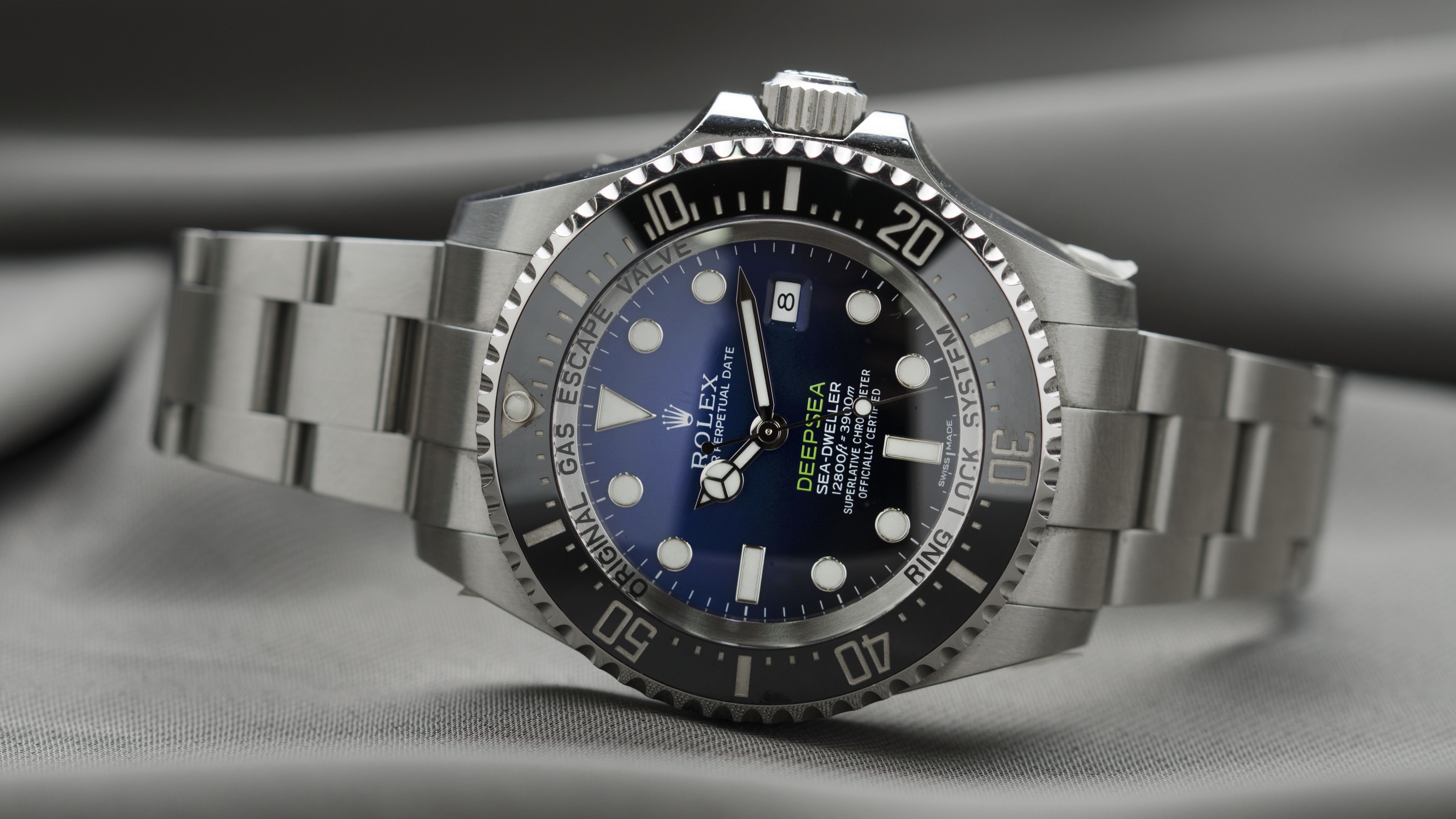
Leading high-end jewelers are reluctant to offer rentals for fear of cannibalizing their full-price sales. In contrast, luxury watch brands are breaking this mold, with top names like Breitling entering the luxury rental space.

The lack of competition from established jewelers has spurred the emergence of jewelry-rental-only startups in recent years, including Flont, Switch, HauteVault, and BeekmanNYC. Historic London jeweler Hancocks has also begun renting jeweled tiaras to brides enamored with period dramas like “Bridgerton” and “Downton Abbey.”
Despite enthusiasm from younger consumers, the potential of jewelry rental and membership models is debated. In many cultures, wedding preparations and gift-giving are highly emotional processes where chosen items often hold long-term significance and personal value.
Vivrelle founder Blake Geffen disagrees. The company, founded in September 2018, is recovering from the pandemic’s impact and reports triple-digit growth, with increasing numbers of consumers signing up for memberships to access jewelry and handbags. Its three membership tiers, priced from $99 to $279, allow access to items like $4,000 Stephanie Gottlieb diamond earrings and a $1,790 Cartier bracelet. Profitable since its sixth month of operation, Vivrelle secured a $26 million Series A funding round in April, led by Origin Ventures with participation from Chapford Capital Group.
The luxury rental market may be on a long-term upward trend. Sarah Willersdorf, Global Head of Luxury at BCG, says key post-pandemic trends include a focus on sustainability and a quest for value.
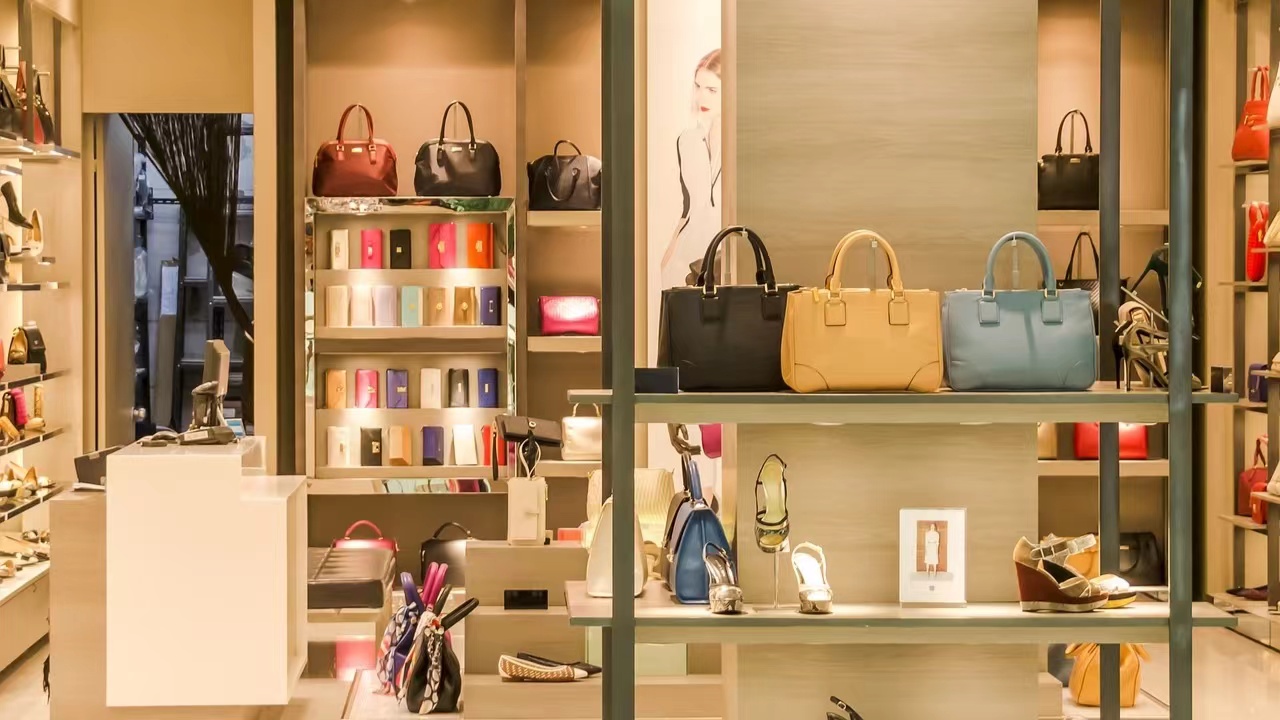
According to BCG’s annual “True-Luxury Global Consumer Insights” report, 21% of Gen Z and Millennials rented products during the pandemic.
Victoria Prew, CEO and co-founder of London-based Hurr Collective, says the new generation is eager to rent. The platform offers a two-pronged approach: renting designer pieces like Alighieri and Alessandra Rich managed in-house, and a peer-to-peer service allowing individuals to rent out luxury items, from Dior necklaces to Chanel bracelets.
Prew says many luxury houses are concerned about rental cannibalizing sales, but she believes the opposite is true.
To address brand concerns, Hurr added a “white-label” service, allowing luxury brands and retailers to use Hurr’s technology to create their own rental options. UK department store Selfridges is an early adopter.
The rental market undoubtedly attracts new consumers. For New York-based Verstolo, which offers a range of high-end wedding jewelry rentals, it’s more a marketing tool than a scalable business model.
Vivrelle’s Blake and Wayne Geffen are confident in the jewelry rental trend.