Editor’s Note
In a challenging year for luxury, Chanel’s ascent to the top of the brand value rankings is a standout story. Its success, driven by a disciplined scarcity strategy and a steadfast brand philosophy, offers a compelling case study in resilience.
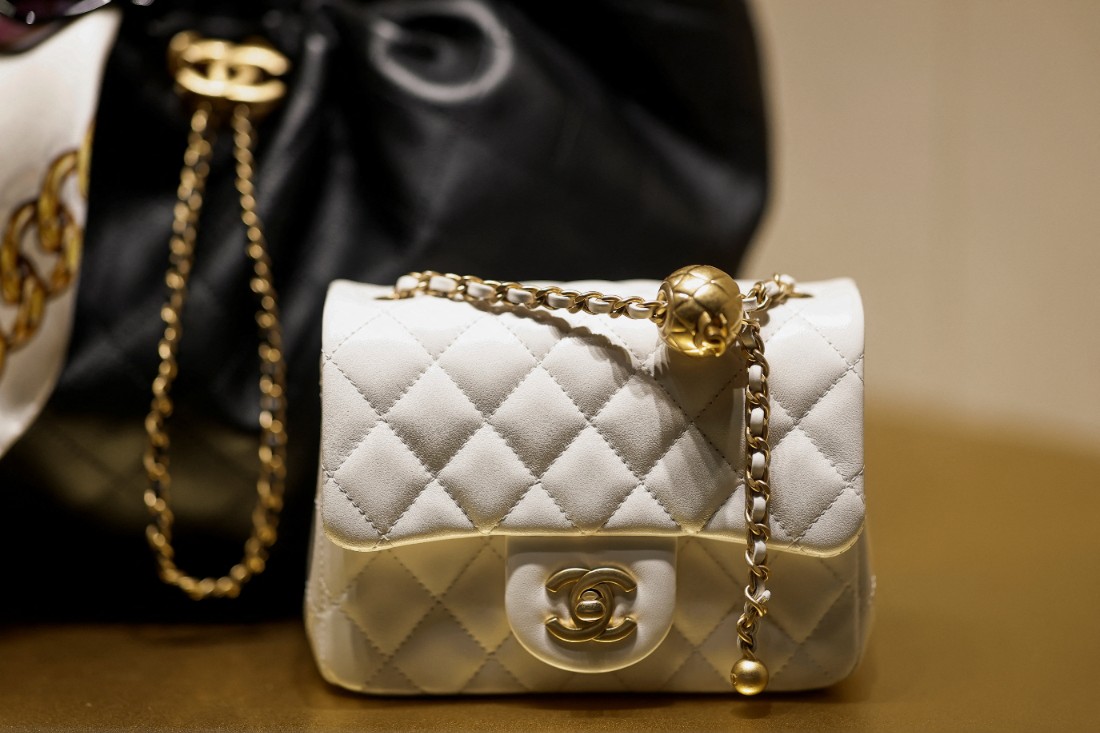
Despite the global luxury market’s slump due to economic recession, Chanel, the brand beloved by women worldwide, has achieved rising performance alone and finally ascended to the top spot in luxury brand value rankings. This is a remarkable achievement, overcoming the limitations of high prices and a strict no-sale policy. Analysts attribute this success to the unique management philosophy of the Chanel family, including a consistent scarcity strategy and a private, independent management structure to minimize external influence.
According to a report by Brand Finance, a UK-based brand valuation consultancy, Chanel’s brand value this year reached $37.9 billion (approximately 54.6 trillion won), a staggering 45% increase year-on-year. This propelled Chanel to the top of the fashion brand value ranking, rising two places from last year’s third position. It was followed by Louis Vuitton ($32.9 billion), Hermès ($19.9 billion), and Dior ($17.3 billion). Brand Finance stated, “This case demonstrates how crucial good quality, authenticity, and long-term brand asset building are for securing a brand’s sustained competitiveness.”
Chanel’s performance has shown a steady upward trend. In South Korea alone, sales have increased for five consecutive years: 929.6 billion won in 2020, 1.2238 trillion won in 2021, 1.5913 trillion won in 2022, 1.7083 trillion won in 2023, and 1.8446 trillion won in 2024. According to Chanel Korea’s analysis, the ready-to-wear and haute couture collections in the fashion sector received significant positive responses, and growth in the watch and fine jewelry sectors was also notable. Last year’s sales, yet to be announced, are expected to follow a similar trend.
Analysis within the global fashion industry suggests that the worldwide Chanel craze is largely rooted in the unique management philosophy of its owning family. Chanel is renowned for producing only limited quantities each season and managing its distribution channels directly. To maintain scarcity, even if inventory remains, it is never sold at a discount but is incinerated or recycled. Furthermore, it remains a privately held company, strictly blocking external investment. This is to thoroughly control production volume, distribution channels, and pricing policies, free from shareholder pressure.
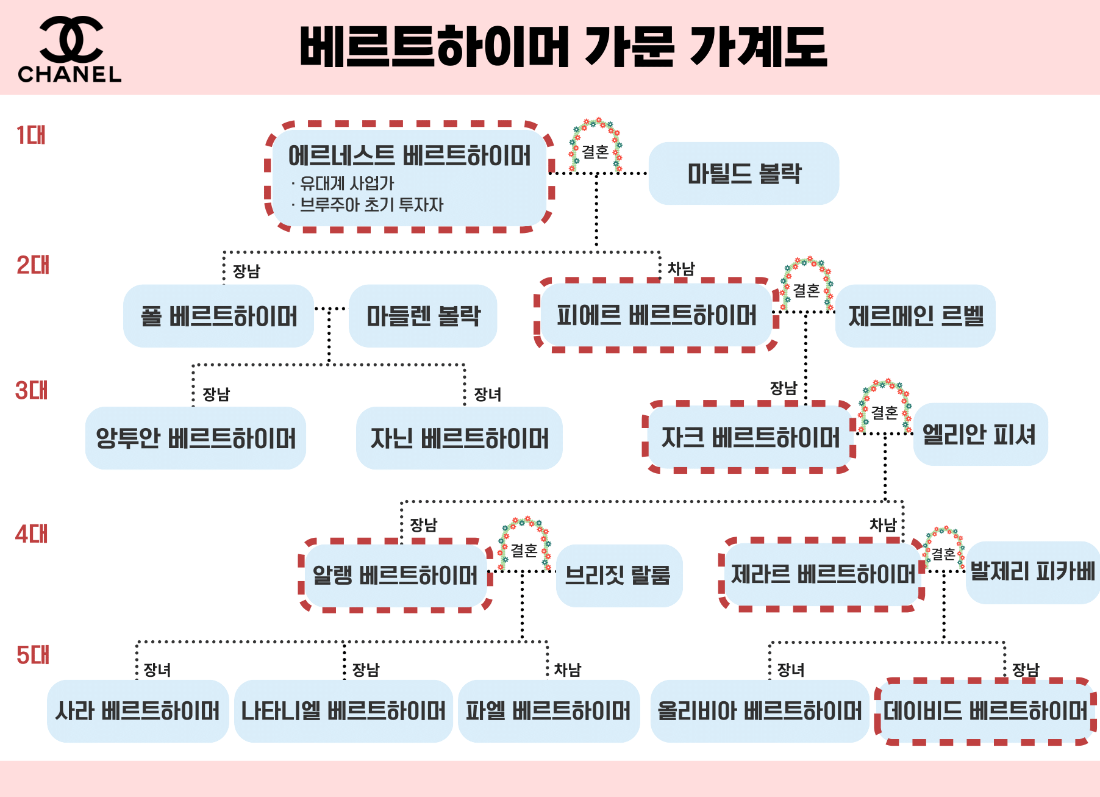
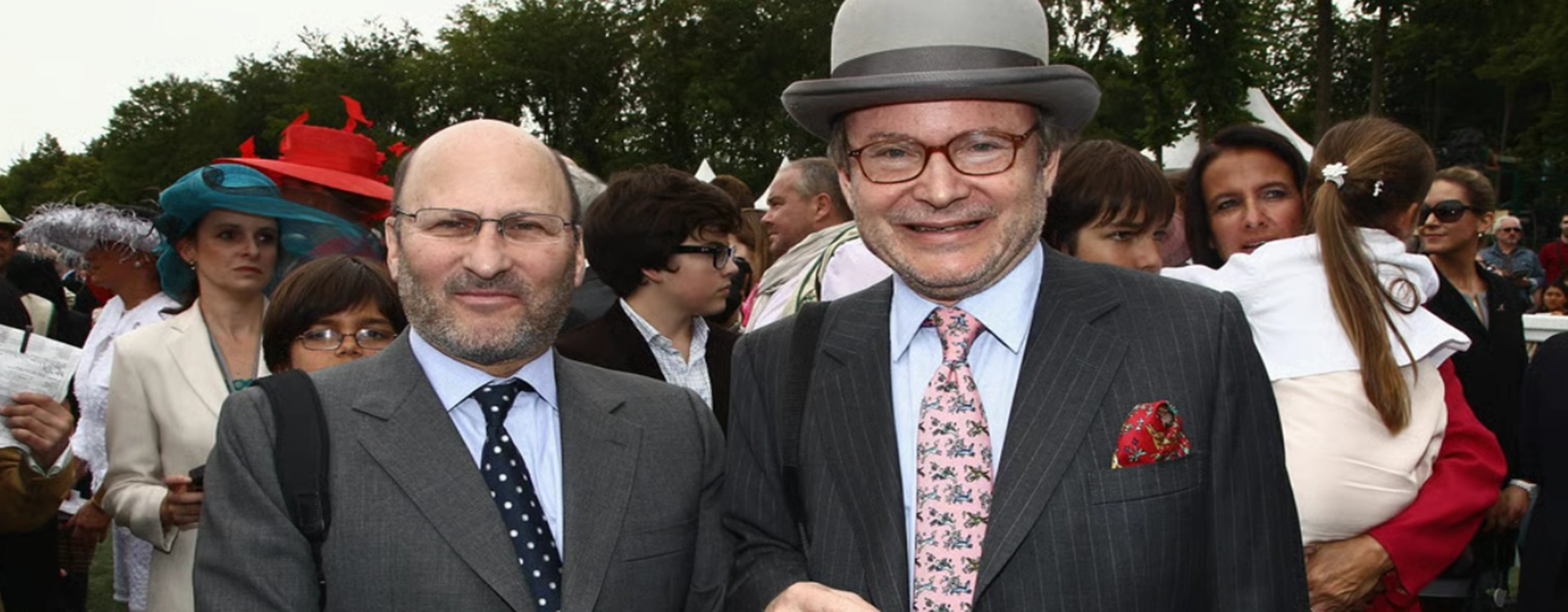
Currently, Chanel is 100% owned by the Wertheimer family, not the descendants of founder Coco Chanel. As of June this year, the largest shareholder of Chanel Limited, the top-level legal entity of the Chanel brand, is Wertheimer Holdings (100%), an investment company owned by the Wertheimer family. While the specific shareholding structure within Wertheimer Holdings is not public, it is known that brothers Alain Wertheimer and Gérard Wertheimer hold the majority of the shares.
Chanel Limited wholly owns the French local entity ‘Chanel S.A.S.’ and the overseas investment entity ‘Chanel International B.V.’. Chanel S.A.S. is responsible for fashion businesses like clothing, bags, shoes, watches, and jewelry, while also managing ateliers to protect artisanal craftsmanship. Chanel International B.V. manages overseas subsidiaries in Asia, the Americas, and Europe, overseeing Chanel’s international business operations.
The Wertheimer family strictly adheres to a professional management system in terms of operations to ensure a free creative environment suitable for the times. The current CEO of Chanel is Leena Nair, a British national of Indian origin. Leading Chanel since 2022, Nair has a history of being the first female, Asian, and youngest board executive at the British multinational Unilever. The creative director responsible for Chanel product design is Matthieu Blazy, formerly of Bottega Veneta. At Bottega Veneta, he led the brand’s revival by modernly reinterpreting the traditional ‘intrecciato’ (leather weaving) design.
The Wertheimer family’s history with Chanel began with Ernest Wertheimer, a Jewish businessman active in France in the late 1800s. After amassing significant wealth in the theater business, Ernest became a major investor in the cosmetics company Bourjois in the early 1900s, securing partial management rights. His two sons, Paul and Pierre Wertheimer, later participated in Bourjois’s management, growing it into France’s largest cosmetics and perfume company. Pierre, an avid equestrian, coincidentally met Chanel’s founder, Coco Chanel, at a French racetrack in the early 1920s.
At the time, despite the success of perfume Chanel No.5, Coco Chanel felt limited in business expansion due to a lack of funds and distribution networks. In 1924, Coco Chanel, the Wertheimer brothers (Pierre and Paul), and Théophile Bader, founder of the Galeries Lafayette department store, established the perfume-specific company ‘Parfums Chanel’. The shareholding structure was 70% for the Wertheimer family, 20% for Bader, and 10% for Coco Chanel. Coco Chanel licensed her name and product sales rights to Parfums Chanel, while management was handled by the Pierre and Paul brothers.
Subsequently, the Wertheimer family rapidly grew the perfume business based on a global production and distribution network. After World War II, they gradually acquired the remaining shares held by Théophile Bader and Coco Chanel. During this process, Coco Chanel, deeply dissatisfied with the share structure, filed several lawsuits but ultimately lost. The Wertheimer family then expanded its control from Chanel’s perfume business to the fashion sector, eventually taking complete control of Chanel.
After Pierre’s passing, the Chanel shares were inherited by his son, Jacques Wertheimer, and are now held by his sons, Alain and Gérard Wertheimer. The two brothers are famously private, rarely appearing in public or media. Like their grandfather, they have a great interest in horse racing and are known to own several champion horses with multiple wins in world-class races like the Goldikova and Solemia.
Among those bearing the Wertheimer surname, the most publicly known figure is David Wertheimer, Gérard’s eldest son. David founded the venture capital and private equity firm ‘1686 Partners’, engaging in active investment activities. In 2023, 1686 Partners formed a $10 million fund. Its major portfolio includes the French premium clothing brand ‘Fusalp’, the US luxury watch trading platform ‘1916 Company’, and ‘The Black Label’, founded by former YG Entertainment producer Teddy (Park Hong-joon). The Black Label is a comprehensive entertainment company that has produced OSTs for K-pop and artists like Golden and Soda Pop.