Editor’s Note
This article examines the paradox of a historic silver market in panic despite soaring prices, revealing how volatility and speculation can disrupt traditional trading ecosystems even during apparent booms.
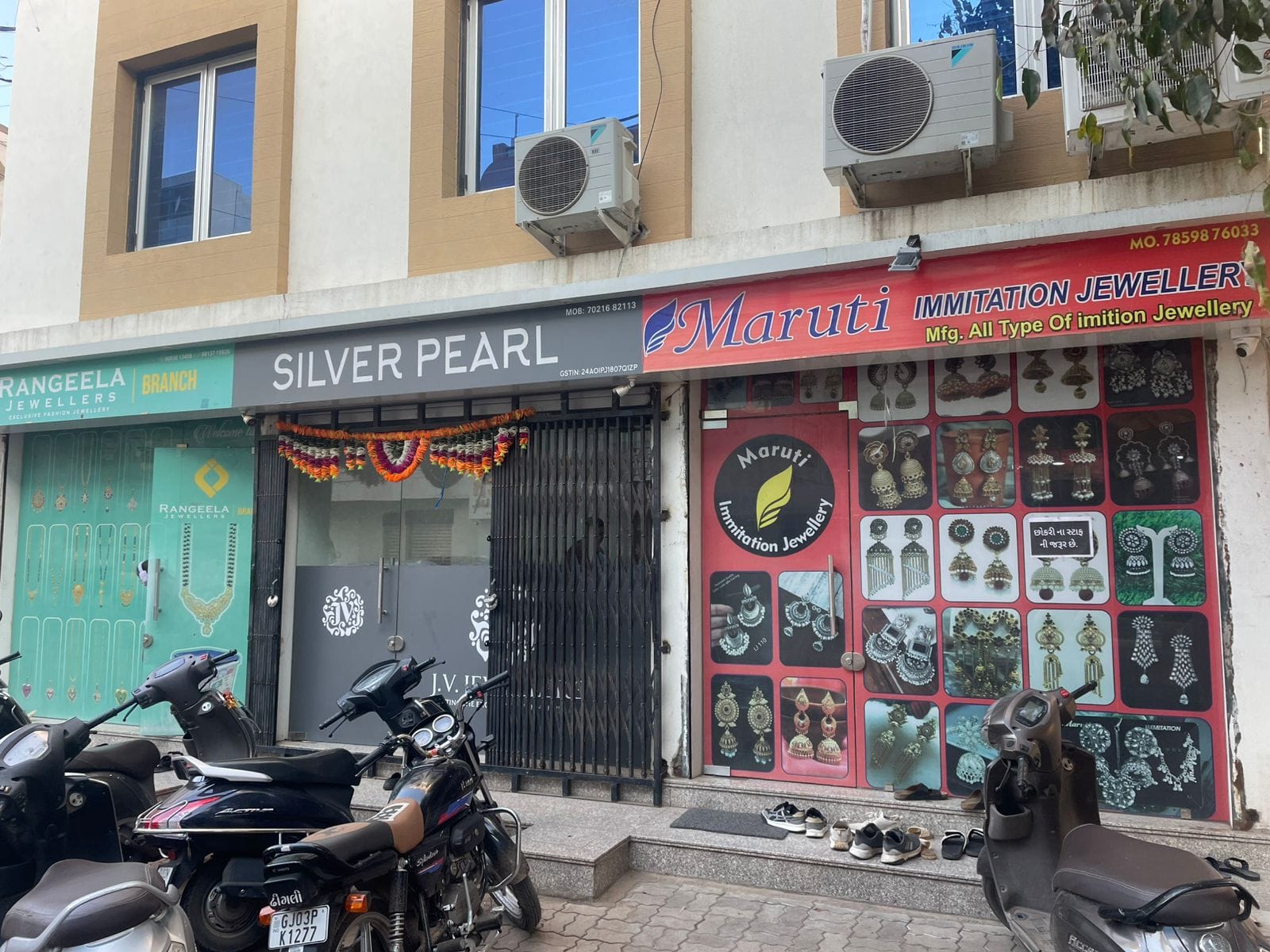
Silver prices are soaring. This should have been good news for Gujarat’s oldest and largest silver market. Instead, panic is spreading.
Arvindbhai Limbasia’s eyes drift to the television set mounted on the wall in his plain office. On the screen, the price of silver fluctuates around ₹2.3 lakh per kilogram, a jump of nearly 30 percent in less than a month.
In a stable market, Limbasia – a bullion trader – would welcome a gradual price increase followed by rising profits. But something strange has happened in Gujarat. Heavy price volatility over the past few months has spread panic in the silver trade.
Silver prices rose by nearly 160 percent in 2025, driven by rising demand from AI-related industries and the metal’s crucial conductive role in electric vehicle batteries. In recent months, supply concerns intensified when China placed silver under its
rare-earth metal export
restrictions, while the United States declared it a critical mineral.
This sharp price surge has impacted the entire silver ecosystem in Rajkot, one of Asia’s largest hubs, famous for the intricate craftsmanship of silver bangles, earrings, and necklaces. Under normal circumstances, silver is supplied first and payment is made later, with minor price fluctuations during the credit period. But when prices jump by ₹30,000 in a single day, the gap between delivery and payment becomes an unbearable risk for manufacturers.
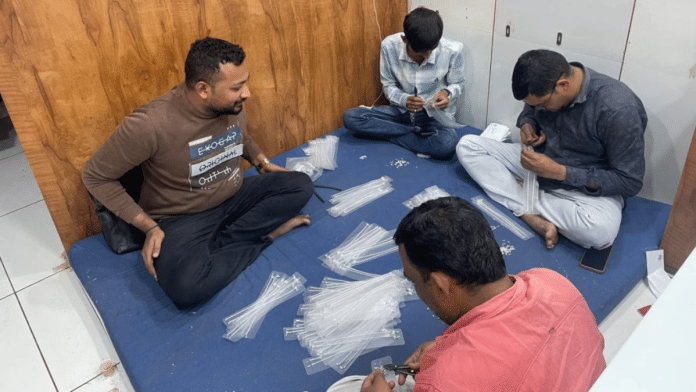
From Rajkot to Agra to Kolhapur, manufacturers, wholesalers, and retailers are troubled, and many are delaying payments to suppliers further up the chain. According to a Gujarat Mirror
report,
44 trading firms have declared bankruptcy, involving an estimated settlement gap of ₹3,500 crore in this crisis. Speaking from his office on Rajkot’s silver hub, Pedak Road, Limbasia, Secretary of the Silver Gold Bullion Association, Rajkot, said,
Worries about rising prices were compounded when traders began short-selling silver, thinking prices would fall. Instead, prices kept rising, causing even greater losses for traders. On January 7, silver closed at ₹2.5 lakh per kilogram. Just a month earlier, it was trading at ₹1.8 lakh.
On the eastern bank of the Aji River, Rajkot’s silver market shows no clear signs of the impending crisis. Wholesale and retail shops are open. Owners sip tea behind their counters while laborers craft bracelets and necklaces. But due to rising prices, trade has almost come to a standstill.
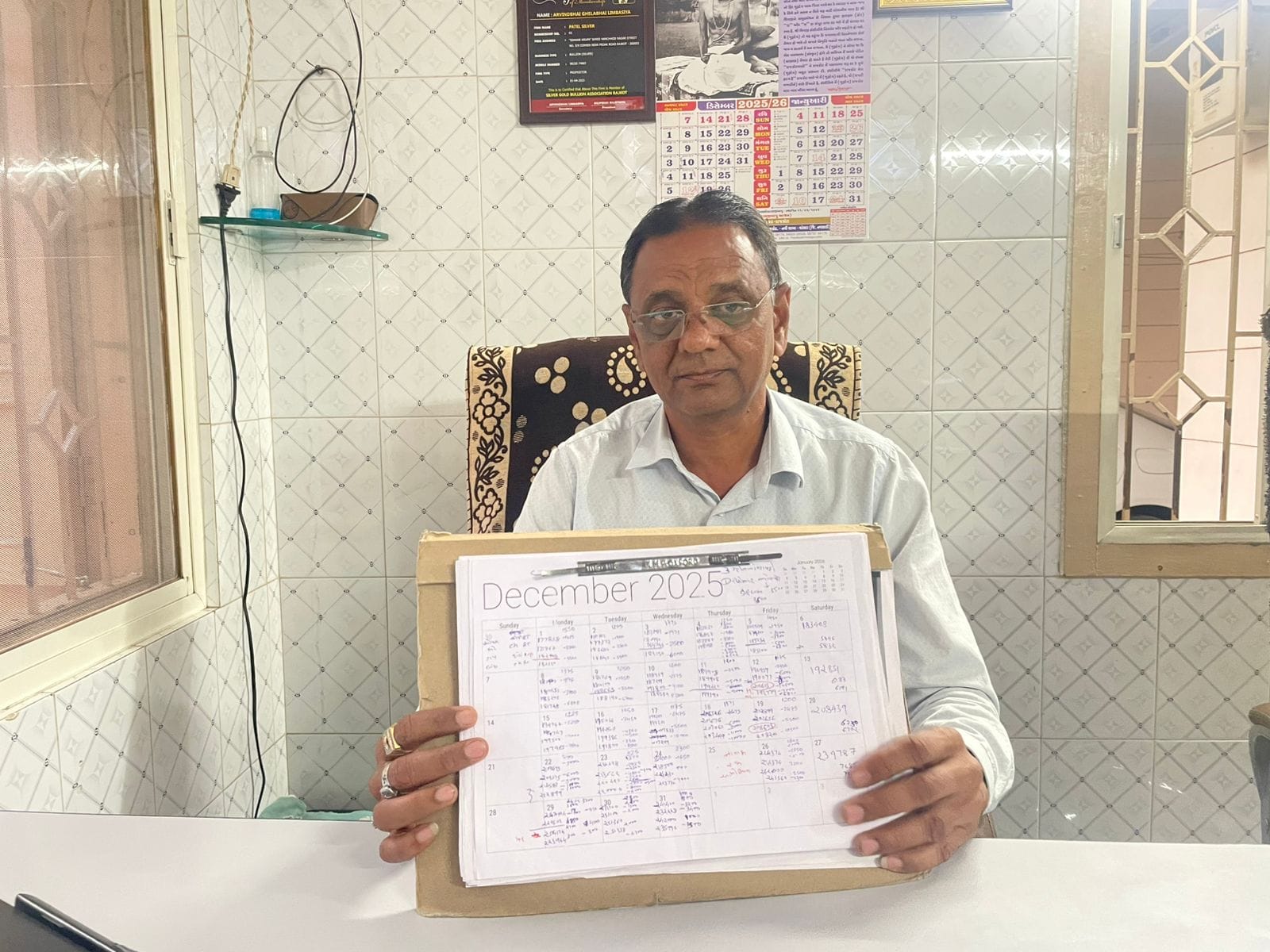
Limbasia pulls out a cardboard spring file from his desk and flips to the page for December 2025. Figures are written for each date, showing the daily fluctuation in silver’s price. Calmly pointing to the dates, he said,
He points to entries showing prices near ₹2.5 lakh per kilogram and says he is now afraid to hold silver stock.
Sharp volatility can be devastating for a business built on trust and long credit cycles. The payment period can range from a week to a month, which is enough time for price fluctuations to ripple through the entire supply chain.
This chain starts with bullion traders who sell pure silver bars, followed by manufacturers who turn those bars into jewelry. Then wholesalers buy the jewelry in bulk and ship it to retailers across the country.
A silver manufacturer, taking off his ring, explains why rapid price increases are destructive. He takes pure silver from wholesalers, who ask him to convert it into jewelry.
The entire chain breaks. Wholesalers stop giving new orders because they cannot pay manufacturers for old orders. Manufacturers, many of whom take loans for their business, are left sitting on losses.