Editor’s Note
As precious metal costs soar and supply chains remain volatile, the fashion jewelry industry is pivoting toward durable, stable materials like stainless steel. This article explores how manufacturers are enabling this shift through scalable production and advanced finishing techniques.
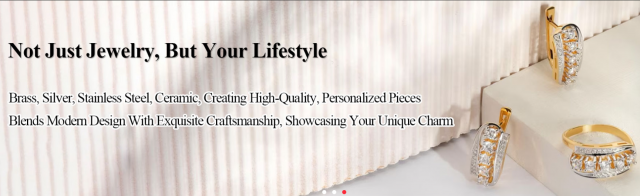
With gold and silver prices remaining elevated and raw material volatility reshaping sourcing decisions, fashion jewelry brands worldwide are accelerating a strategic shift toward long-lasting, cost-stable materials such as 316L stainless steel. YIBI, a technically driven jewelry manufacturer and OEM/ODM partner for international brands, is supporting this transition by delivering scalable manufacturing, advanced finishing, and consistent quality for high-end fashion jewelry collections. In response to growing demand for durable and hypoallergenic alternatives, YIBI operates as a 316L stainless steel jewelry manufacturer offering solutions that combine modern aesthetics with corrosion resistance, low allergy risk, superior structural stability, and compatibility with premium surface treatments such as PVD coating.
The global fashion jewelry industry is entering a period of accelerated material transformation. Traditionally, many brands relied on brass, copper alloys, or sterling silver to achieve desired weight, shine, and design flexibility. However, persistent fluctuations in metal markets–especially for gold and silver–have increased pressure on product pricing, margins, and supply chain planning. At the same time, consumers have become more conscious of durability, skin safety, and long-term wear, driving brands to rethink material selection beyond short-term cost.
In this context, 316L stainless steel has become a preferred choice for fashion jewelry brands aiming to maintain premium appearance while improving wear performance. Unlike brass or copper-based metals that can tarnish or oxidize easily, 316L stainless steel offers strong corrosion resistance, strong structural integrity, and stable color performance–making it ideal for everyday jewelry that must endure sweat, humidity, and long-term storage. These properties help brands deliver better customer satisfaction while reducing after-sales issues related to discoloration or deformation.
Another major trend is the rise of “accessible luxury” collections–jewelry lines positioned at premium price points but expected to provide durability comparable to higher-end fine jewelry. Consumers increasingly want jewelry that can be worn daily without fear of rapid fading or skin irritation. 316L stainless steel aligns with these expectations by offering strength, smooth finish potential, and excellent compatibility with modern plating technologies.

As global brands face higher expectations for supply chain transparency, third-party certifications have become key to ensuring credibility, consistency, and responsible manufacturing. YIBI has invested in internationally recognized certification systems designed to support brand compliance requirements and global retail standards.
By aligning with RJC principles, manufacturers demonstrate that they are committed to responsible practices–an increasingly important factor for brands operating internationally.
Quality management is another decisive factor for international jewelry brands. ISO 9001:2015, the world’s most recognized quality management standard, emphasizes customer satisfaction, process control, and continuous improvement.
Sustainability has also become a powerful industry driver. Brands are now pressured by retail partners and consumer values to improve transparency, reduce waste, and demonstrate responsible sourcing. As a result, manufacturers that can provide recycled material traceability, chemical compliance, and social responsibility verification are becoming strategic partners rather than just suppliers. This is where certified manufacturers like YIBI are positioned to deliver long-term value.
Finally, as sustainability continues to influence procurement decisions, YIBI supports recycled material traceability through RCS (Recycled Claim Standard) and GRS (Global Recycled Standard). These standards establish criteria for third-party certification of recycled materials and chain-of-custody verification across the supply chain.