Editor’s Note
As precious metals surge, the global high-end jewelry market has expanded significantly over the past decade, reaching over €130 billion in trade value. While China’s market share has declined, Italy has emerged as a notable growth performer.

Amidst the stellar performance of precious metals this year, the high-end jewelry market is also experiencing a significant boom. According to industry statistics, global jewelry trade value grew from 97 billion euros in 2015 to over 130 billion euros (approximately 1,051.4 billion yuan) in 2024 over the past decade.
China’s market share has declined from 23.5% to 15.7%. Notably, Italy has shown particularly strong performance, with its market share increasing from 5.8% in 2015 to 8% in 2023, and reaching 11.2% in 2024, surpassing Switzerland (one of the primary jewelry transit countries for French and Italian jewelry production) and India. According to an industry report released by Mediobanca’s Financial Markets Research Department, this result confirms that “Made in Italy” has fully demonstrated its capabilities in design, quality, and positioning within the high-end jewelry market, winning public confidence.
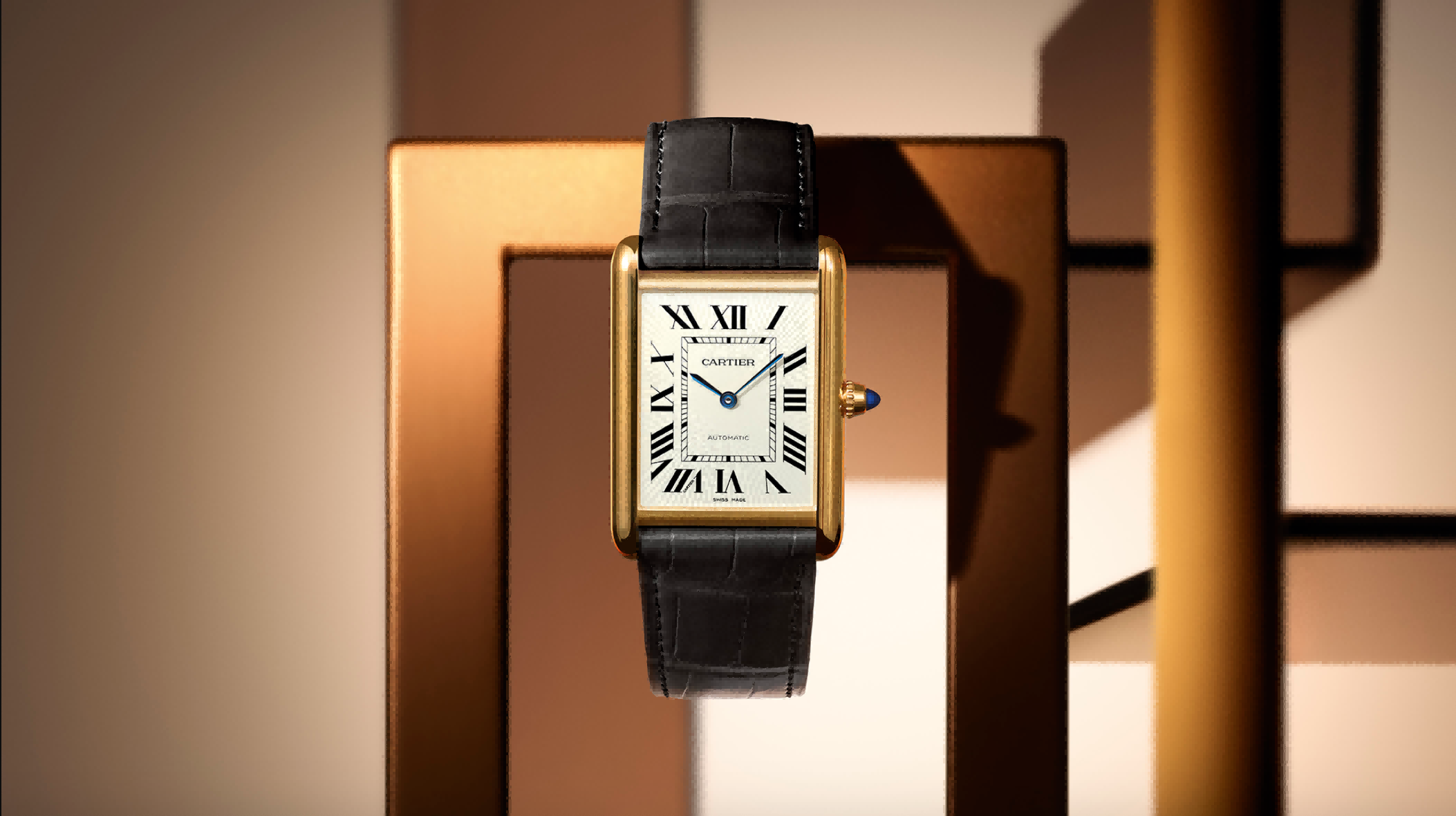
Swiss luxury giant Richemont has significantly benefited from the rapid advancement of the jewelry market. Its third-quarter results showed that sales easily exceeded analysts’ previous general expectations, surpassing targets. Sales at the world’s second-largest luxury group grew by 11% at constant exchange rates (analysts had previously forecast 7.5% growth) – this was primarily driven by the particularly strong performance of its jewelry business division, which houses brands like Cartier and Van Cleef & Arpels.
Let’s look at the data in detail. For the quarter ending in December, total sales grew 4% to 6.4 billion euros (approximately 51.7 billion yuan), higher than the previously expected 6.28 billion euros.

The 11% increase at constant exchange rates was lower than the 14% in the second quarter, but the company stated this was due to a double-digit year-on-year increase in the same period last year – meaning Richemont’s jewelry business division has maintained high-speed growth for two consecutive years, which is particularly noteworthy amidst today’s widespread downturn in the luxury sector.
In monetary terms, this means jewelry sales amounted to 4.785 billion euros, watch sales were 872 million euros, and sales from other divisions were 742 million euros. In the fashion accessories sector, the men’s brand Peter Millar and footwear brand Gianvito Rossi performed particularly strongly, though this is also attributed to their smaller business base, making higher growth rates easier to achieve. Although Richemont also owns well-known brands like Chloé, Dunhill, and Alaia, their specific performance was not disclosed in the financial report, largely related to the sluggishness of the fashion ready-to-wear market.
Richemont stated that sales grew in all regions at constant exchange rates, with significant performance in the Americas, Japan, and the Middle East & Africa regions, all achieving double-digit growth.
Growth across all distribution channels was also “solid,” with the retail channel showing the most significant growth, up 12% at constant exchange rates.
Sales for the first nine months were 17 billion euros, up 10% at constant exchange rates and 5% at actual exchange rates.
According to the Weil European Distress Index (WEDI) – a name that aptly serves as a finishing touch – since the fourth quarter of 2025, the retail and consumer goods sector in the European market has become the “most distressed” industry, with distress levels reaching their highest since the global financial crisis. The outlook for 2026 is also quite fragile. The index points out that both liquidity and profitability faced significant pressure this quarter, “with weak demand, persistent cost increases, and tightening consumer spending continuing to squeeze margins” – the reasons exacerbating the distress include “rising input costs, with the impact of the UK’s minimum wage increase becoming more pronounced.”
The only bright spot lies in the jewelry industry, but it too is undergoing different changes. Based on the shifting trade shares, we can understand the trends within the sector.
Italy’s economic growth in 2024 was partly influenced by “exceptional” export performance to Turkey. A report from the research center of Confindustria Federorafi points out that in the first nine months of 2025, Italy’s industrial exports fell by 15.2% year-on-year.
This decline is partly a natural adjustment after three years of sustained growth, mainly attributed to the contraction of exports to Turkey. Exports to Turkey experienced astonishing growth in 2024 (+468.7%) but saw a significant drop in 2025 (down 52.2% from January to September). Sales to the US also declined (though less than expected), while several key markets including the UAE, Switzerland, the UK, Spain, Japan, and China showed signs of growth.
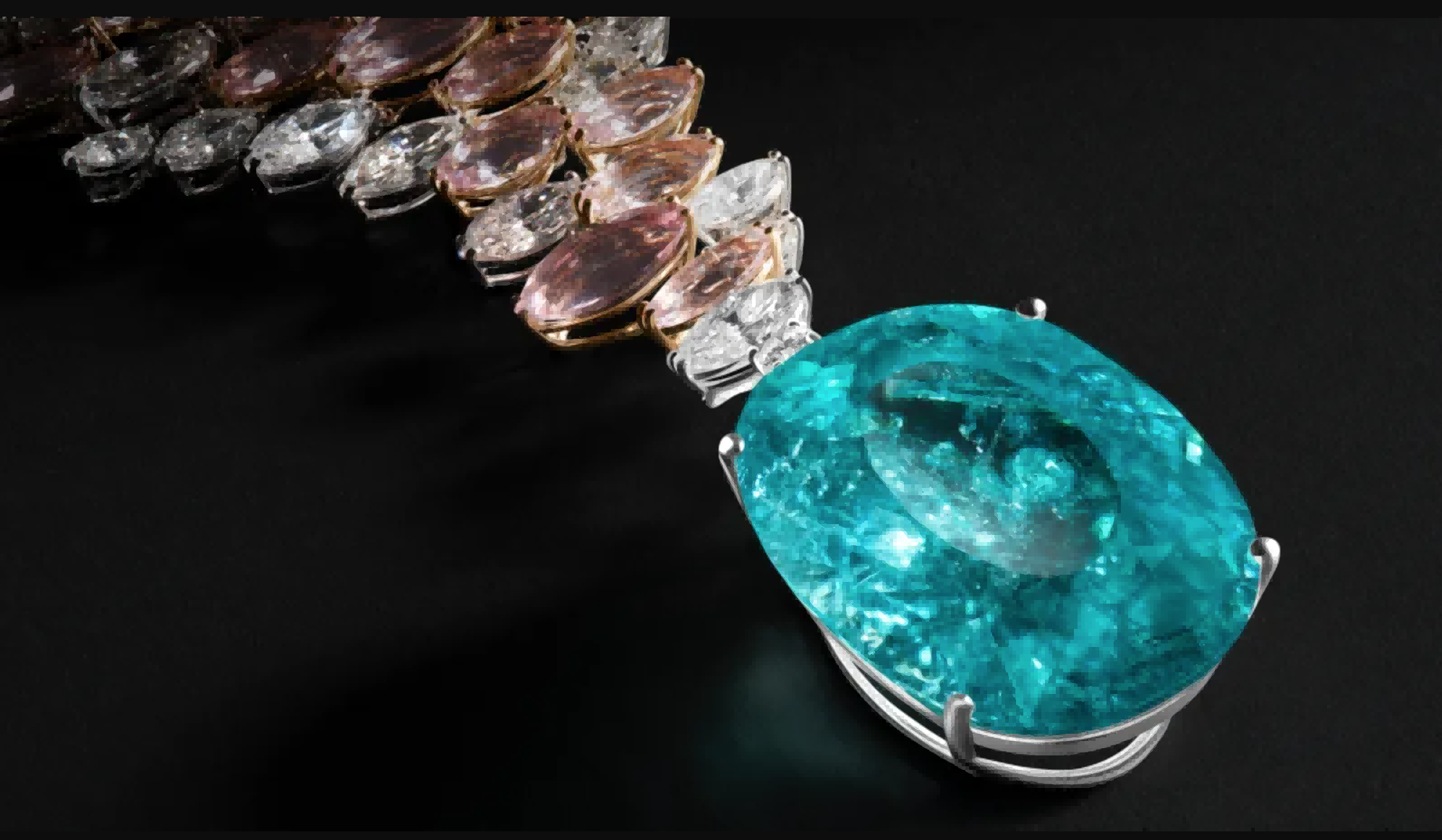
It is worth noting that in recent years, China’s share in the global jewelry industry has been continuously declining for many reasons – including production shifting to lower-cost countries (India, Thailand, Indonesia), unreasonable US tariff “trade wars,” and growth in domestic demand leading to reduced exports – with the strong rise of domestic brands like Lao Feng Xiang, consequently leading to a decline in foreign trade share.
Meanwhile, new competitors are emerging. The UAE, leveraging its role as a Middle Eastern logistics hub and low-tax platform, has established its position as an international jewelry hub; Turkey and some Southeast Asian countries, such as Thailand, have expanded their market share based on their manufacturing competitiveness and ability to attract investment.