Editor’s Note
As the luxury sector cools, Richemont’s latest results—driven by Cartier and strong jewelry demand—show a remarkable resilience, with Q3 sales hitting a record $7.43 billion.
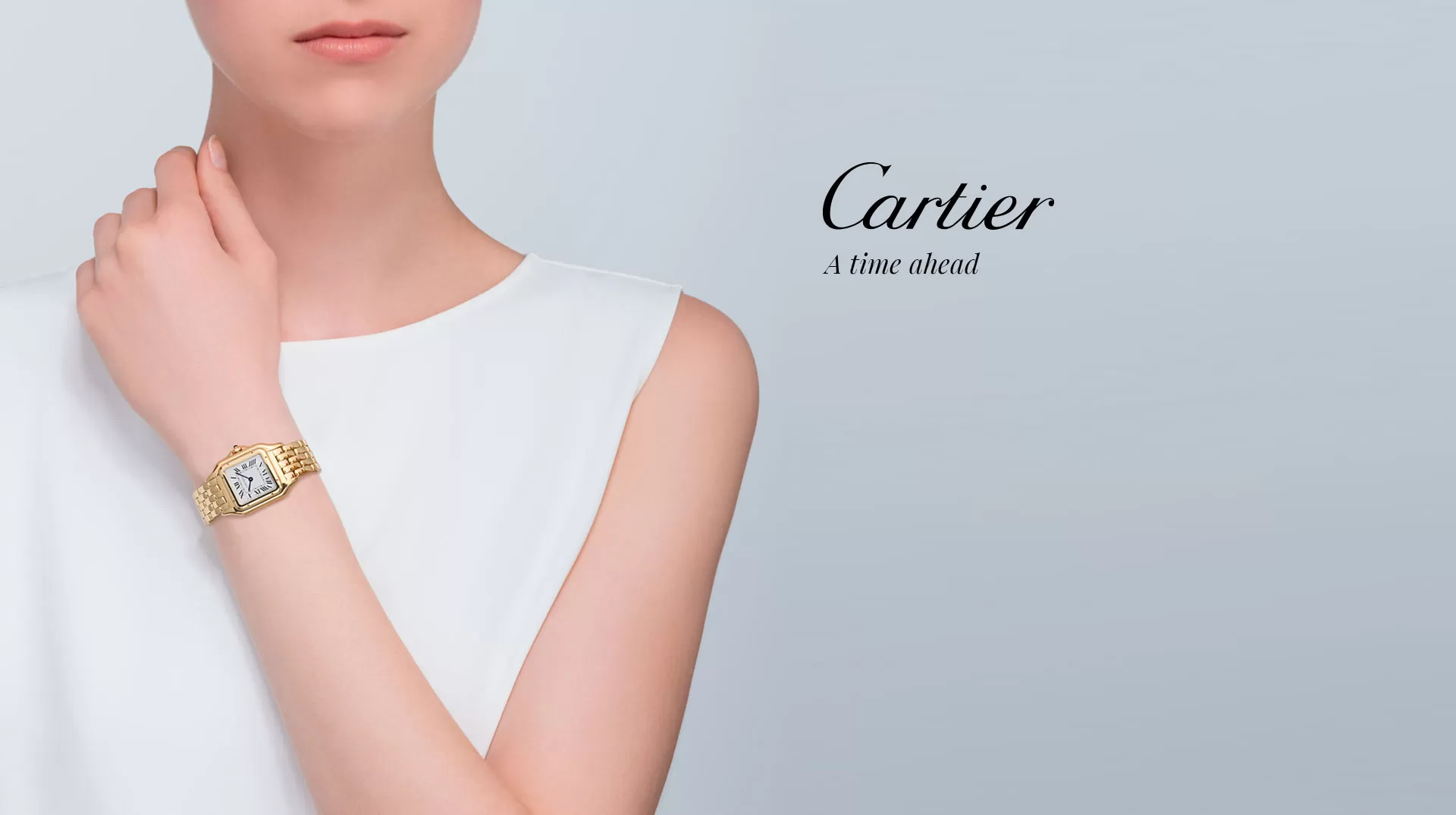
While much of the luxury sector is going through a cooling phase, Richemont has kicked off 2026 with record figures driven by jewelry, the power of Cartier, and global demand that defies any slowdown forecasts. The Swiss conglomerate, owner of iconic houses like Cartier, reported $7.43 billion in sales during the third quarter, a record figure representing growth of 11%, well above market forecasts of 7.5%.
The main driver of this result has been global spending on high jewelry, confirming that hard luxury remains a solid priority for high-purchasing-power consumers, even in an uncertain economic environment. The jewelry division led the growth with a 14% increase, solidifying its position as the group’s most resilient pillar.
The performance by regions reinforces this optimistic reading. The United States positioned itself as one of the major drivers of the quarter, with growth of 14%, while Japan and the Middle East exceeded expectations with increases of 17% and 20%, respectively. These figures confirm a sustained appetite for pieces of high symbolic and patrimonial value.
One of the most striking data points in the report is the performance of the specialized watchmaking division. Despite the impact of high gold prices and tariffs imposed by the United States on Swiss exports, firms like Vacheron Constantin and Piaget achieved growth of 7%, demonstrating that the appeal of high-end watches remains intact even under pressure.
In Asia, where many luxury groups continue to show signs of weakness, Hong Kong has become a key axis of Richemont’s success. The region experienced a notable rebound in demand, driven by the return of high-spending tourism and renewed local consumer confidence. This performance has been fundamental in offsetting widespread concerns about a possible luxury slowdown in China. In this market, preference has clearly leaned towards the group’s jewelry houses, especially Cartier and Van Cleef & Arpels, considered absolute references for investment pieces and symbols of lasting status.
Beyond the numbers, Richemont has reinforced its cultural dominance through a highly visible strategy of ambassadors and media presence. During the 2026 Golden Globes, the red carpet functioned as a global showcase:
This is compounded by the recent media focus on the Santos model, linked to Taylor Swift’s engagement, which once again placed the brand at the center of the global conversation.
With a combination of solid financial results, strength in jewelry, strategic recovery in Hong Kong, and powerful cultural presence, Richemont demonstrates that the most tangible and patrimonial luxury not only resists the market slowdown but can lead a new stage of growth even in times of uncertainty.