Editor’s Note
This article examines the growing market influence of synthetic diamonds, driven by technological advances, competitive pricing, and ethical appeal—especially among younger consumers. As natural diamond suppliers adjust their strategies, these shifts signal a notable transformation in the global diamond industry.
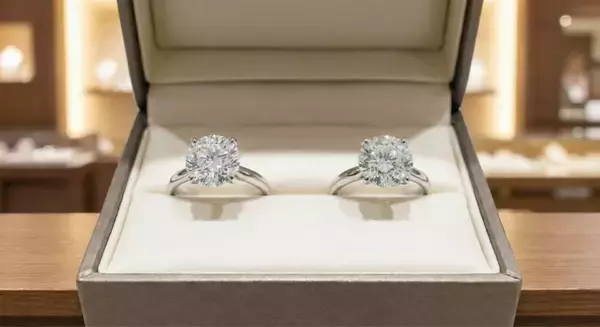
In recent years, the market circulation of “synthetic diamonds” has increased due to technological innovation. Their price competitiveness and ethical aspects have led to expanding market share, particularly among younger generations, bringing changes to the natural diamond market environment.
Some reports indicate that major diamond suppliers are adjusting the prices of natural rough stones, signaling a shift in the market for diamonds, which have long been perceived as a “stable asset.”
Amidst these market changes, there is growing interest among owners regarding “the impact on the asset value of their owned jewelry” and “distinguishing between natural and synthetic diamonds.”
The market for natural diamonds varies in demand based on the 4C grades (Carat, Cut, Color, Clarity), meaning the overall market trend does not always directly correlate with the value of individual pieces of jewelry.
However, as the supply of synthetic diamonds continues to expand, some view that a polarization of value based on grade will progress in the medium to long term.
Therefore, it is more important than ever for owners not to make judgments based solely on information found online, but to know the accurate value based on individual quality and decide on appropriate timing for sale or retention.
In response to this situation, to protect customers’ valuable assets, Omoio has strengthened its appraisal system under the supervision of appraisers holding qualifications from GIA (Gemological Institute of America), the international standard for diamond grading.
Going beyond merely presenting a purchase price, the company thoroughly provides clear distinction between synthetic and natural diamonds using specialized equipment and explains asset value based on the latest international market trends, offering customers the information needed to calmly judge whether “to sell now or continue holding.”

We receive many inquiries from customers such as ‘I’m worried if my ring is a synthetic diamond’ and ‘I want to know the value of a gemstone inherited from my grandmother.’ While the overall market is in a phase of price adjustment, high-quality natural diamonds still hold significant value.
The important thing is not to make hasty decisions based solely on online information and sell in a panic, but first to know the ‘correct value’ through the eyes of a reliable expert.
At our store, we, who hold GIA qualifications, empathize with customers’ concerns and conduct appraisals that consider the background of each piece of jewelry. We hope customers will at least come for a consultation.”
According to industry experts, as the trend of increasing supply of synthetic diamonds continues, the price of natural diamonds is likely to remain in an adjustment phase unless the supply-demand balance improves.

In such an opaque market environment, Omoio will continue to closely monitor trends in the gemstone and precious metals market and fulfill its social role of supporting customers’ important asset management through the provision of transparent appraisal services.