Editor’s Note
This article explores how the U.S. jewelry market intertwines personal identity, cultural celebration, and evolving notions of luxury, revealing the deeper meanings behind our adornments.
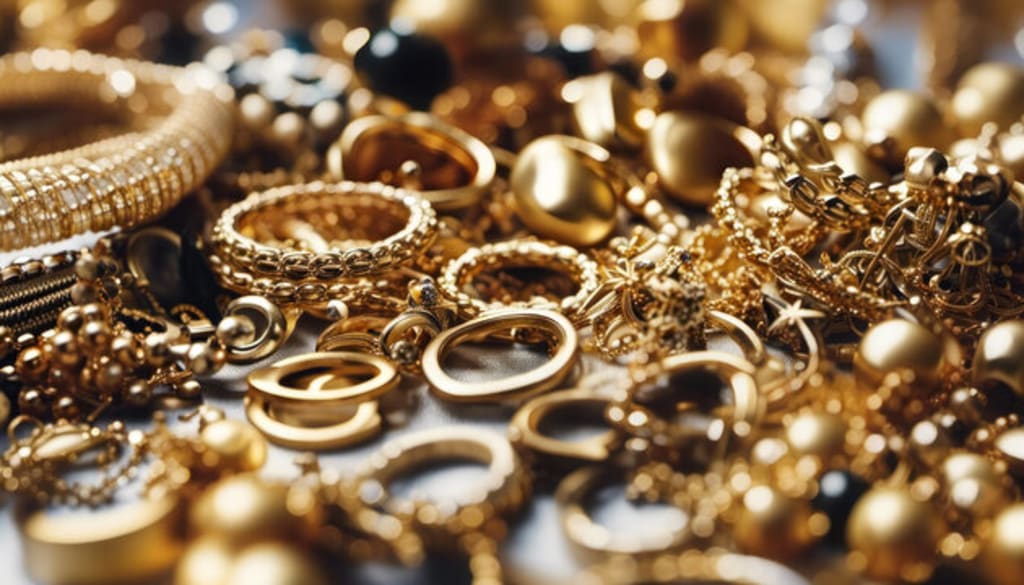
Jewelry has always carried meaning beyond decoration. It marks milestones, symbolizes relationships, and reflects personal identity. The United States jewelry market reveals how culture, fashion, and emotional storytelling intersect in everyday consumer behavior. From engagement rings to everyday accessories, jewelry continues to evolve alongside changing values and lifestyles.
In modern America, jewelry is both deeply traditional and constantly reinvented. It serves as a bridge between heritage and innovation, blending craftsmanship with contemporary design.
Few consumer goods are as emotionally charged as jewelry. Engagement rings, wedding bands, and anniversary gifts represent commitment and memory. These symbolic purchases are often tied to life transitions and family traditions.
American consumers frequently associate jewelry with storytelling. A bracelet passed through generations or a necklace given during a milestone birthday becomes part of personal history. The value lies not only in materials but in the emotions attached.
Beyond ceremonial meaning, jewelry is a powerful tool of self-expression. Styles shift with fashion cycles, influenced by pop culture, celebrity aesthetics, and social media trends. Minimalist pieces coexist with bold statement designs, reflecting diverse tastes.
Younger generations often use jewelry to experiment with identity. Layered chains, mixed metals, and gender-neutral designs challenge traditional style rules. Accessories become extensions of personality rather than strict status symbols.

American jewelry culture balances artisanal craftsmanship with large-scale retail. Independent jewelers emphasize handmade quality and customization, appealing to consumers who value uniqueness. At the same time, established companies such as Tiffany & Co. represent legacy, prestige, and brand storytelling.
Heritage brands build trust through consistency and tradition. Their longevity reassures buyers making significant purchases. Meanwhile, smaller designers bring innovation and niche creativity into the marketplace.
The wedding industry remains one of the strongest drivers of jewelry demand. Engagement and wedding jewelry hold cultural importance across communities. Seasonal peaks often align with holidays and proposal seasons, shaping retail rhythms.
Celebratory gifting extends beyond weddings. Graduations, promotions, and anniversaries frequently involve jewelry purchases. These rituals reinforce the association between adornment and life milestones.
Digital commerce has transformed how consumers shop for jewelry. Online platforms allow buyers to compare styles, read reviews, and customize pieces without visiting physical stores. Virtual try-on tools and high-resolution imaging help bridge the gap between screen and reality.
However, jewelry remains a tactile product. Many consumers still prefer in-person experiences for high-value purchases. Physical stores emphasize personalized service and trust-building, while online channels prioritize convenience.
Modern buyers increasingly care about where materials come from. Ethical sourcing of diamonds, gemstones, and precious metals has become a major conversation. Transparency around labor practices and environmental impact influences purchasing decisions.
Jewelry marketing is becoming more inclusive. Men’s jewelry, unisex collections, and gender-neutral branding reflect evolving social norms. Accessories are no longer confined to rigid categories.
Consumers respond positively to representation that celebrates diversity. Campaigns highlighting different body types, cultural backgrounds, and personal styles broaden the definition of beauty and elegance.
The jewelry sector supports a wide network of professionals: designers, gemologists, retailers, marketers, and repair specialists. Training in jewelry design and metalwork preserves craftsmanship while creating employment opportunities.
Small businesses play an important role, especially in local communities. Independent jewelers often act as neighborhood institutions, providing personalized services that large retailers cannot replicate.
Despite its emotional appeal, the jewelry market faces challenges. Economic uncertainty can delay discretionary spending. Counterfeit goods and misleading advertising undermine trust. Rapid trend cycles also pressure designers to constantly innovate.
