Editor’s Note
This analysis examines the potential market implications of a reported U.S. executive order that may lift punitive tariffs on Indian diamonds, a significant development for the global industry.
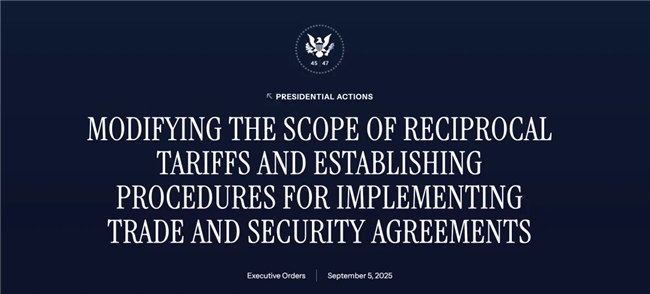
Recently, the diamond industry has reached a critical turning point: the United States may lift punitive tariffs on Indian diamonds, which will have a profound impact on the market. Combined with the latest industry reports, I will analyze the benefits of this change from a professional perspective and look ahead to market development prospects.
According to the latest trade developments, India and the U.S. are negotiating based on an executive order issued by the U.S. on September 5. The order stipulates that if an exporting country signs a relevant agreement with the U.S., its polished diamonds, gemstones, and natural pearls can enjoy duty-free import treatment. This means that the current 50% punitive tariff on polished diamonds from India is expected to be exempted, first reverting to the 15%-16% Most Favored Nation (MFN) rate, and ultimately moving towards zero tariffs. Authoritative media such as Mint, JCK, and India Today have conducted in-depth analyses, suggesting a high likelihood of the agreement being reached. If this vision materializes, it will be a direct benefit for end consumers, which can be summarized into four core advantages.
1. **Downward Price Pressure, Enhancing Affordability:** India is the world’s largest diamond cutting center, accounting for one-third of the U.S. market share. The 50% punitive tariff is ultimately borne by consumers. If it can be reduced, import costs will drop significantly. For example, De Beers’ average rough diamond selling price in the third quarter was about $94 per carat. Savings from this cost will gradually be passed on to the retail end. In the future, consumers may save a considerable amount when purchasing a 1-carat natural diamond, making high-end diamonds more accessible.
2. **Smooth Supply Channels, More Abundant Choices:** The elimination of tariff barriers will allow Indian-cut diamonds to flow more smoothly into the U.S. market. De Beers’ report shows that rough diamond sales in the third quarter of 2025 reached 5.7 million carats, a significant year-on-year increase. Coupled with the tariff benefits, the market will see more unique cutting techniques and larger diamonds above 2 carats. This stems from the release of India’s strong processing capacity. Retailer inventories will be more sufficient, and consumers will be able to find more desirable styles.
3. **Demand Expected to Boost, Countering Lab-Grown Diamond Competition:** In the 1-carat and below segment, natural diamonds face demand pressure due to substitution effects from lab-grown diamonds. If the tariff reduction is implemented, it will directly enhance the price competitiveness of natural diamonds, attracting some price-sensitive consumers who still prefer natural gemstones. De Beers’ data also shows that the fundamental U.S. consumer demand is stable. Once the price threshold is lowered, the scarcity and emotional value of natural diamonds will be more easily highlighted.
4. **Reduced Industry Uncertainty, Supporting Long-Term Value:** This move will greatly alleviate industry volatility caused by geopolitics. The total India-U.S. trade volume is huge (approximately $128.8 billion in 2024), and the normalization of diamond trade is a win-win. De Beers maintains its full-year production guidance (20 to 23 million carats), demonstrating industry resilience. For consumers, a more stable and predictable market means greater peace of mind when purchasing diamonds, and their asset attributes become more solid.
In summary, the potential tariff reduction is a multi-win situation: consumers are expected to enjoy benefits, and the industry gains development momentum. Its significance is deeply intertwined with current distinct market trends.
The significance of tariff reduction for the market needs to be understood in conjunction with real-time consumer preferences. The latest Rapaport report reveals a key current industry trend: since the JCK Las Vegas show in June 2025, diamond trade has continued to show “polarization.” This may directly affect consumers’ shopping decisions.
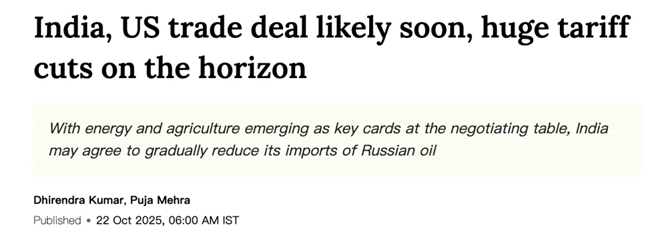
1. **The Rise of Large and Unique Diamonds:** Consumer pursuit of “large and unique” diamonds has become mainstream, with stable demand for diamonds of 2 carats and above and long fancy cuts. De Beers’ sales data confirms this: demand for high-value diamonds was strong in the third quarter. Celebrity effect is a powerful booster—the old mine cut diamond used by NFL star Travis Kelce in his proposal to Taylor Swift has already sparked a surge in consumer interest. If the tariff reduction materializes, the supply of such diamonds will increase, and prices will become more affordable, making personalized choices possible.
2. **Challenges and Opportunities for Small-Carat Diamonds:** Lab-grown diamonds have secured a solid position in the 1-carat and below market with their price-performance advantage. However, the potential tariff reduction provides an opportunity for natural diamonds. Once costs decrease, natural diamonds are expected to regain competitiveness in the same price range, reclaiming part of the consumer market that values natural attributes.
These trends are closely linked to industry operational data. De Beers’ performance in the third quarter of 2025 was impressive: total production increased 38% year-on-year to 7.7 million carats, with the Jwaneng mine in Botswana increasing production by 51%. This reflects market requirements on the supply side. For consumers, this means: increased production + potential tariff reduction = more stable and diverse product supply.
Based on the above analysis, the diamond market outlook is optimistic. The potential tariff reduction is an important catalyst. Combined with current demand and industry resilience, it is expected to open a new chapter.
1. **Short-Term Prospects (2025-2026): Demand Consolidation and Price Stability**
U.S. consumer demand has “remained stable.” If the tariff benefits materialize, it will further stimulate purchases. Rapaport trends indicate that the large diamond boom will continue, with unique cut styles benefiting from the celebrity effect. De Beers’ strong sales data also foreshadows an optimistic outlook for the holiday season. This means that the market price of natural diamonds may stabilize driven by costs, giving consumers more choices.
2. **Long-Term Prospects (2027 and Beyond): Sustainable Growth and Global Adjustment**
If the India-U.S. agreement is reached, it will promote the restructuring of the global diamond trade landscape. The Rapaport report emphasizes that trends are “largely stable,” indicating a solid market foundation. For consumers, the attribute of high-quality, large-carat diamonds as hard assets will receive more attention; meanwhile, the industry’s continuous progress in sustainability and traceability will make consumption behavior more responsible.
Of course, risks still exist: competitive pressure from lab-grown diamonds, regional production fluctuations, etc., may pose short-term challenges. But overall, if the tariff reduction can be achieved, it will be a critical turning point. It will help reduce the overall cost of the industry and ultimately benefit every consumer.
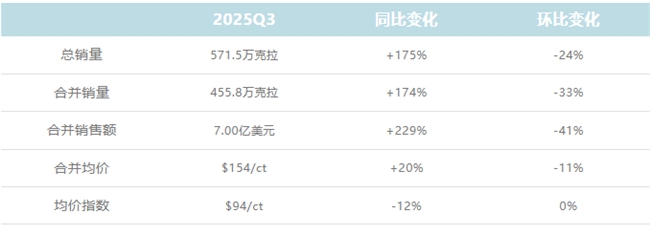
In conclusion, the U.S.’s potential tariff exemption policy may not only bring tangible benefits to consumers but also boost the healthy recovery of the global diamond market. It makes natural diamonds more accessible and diverse while strengthening the market’s optimistic prospects. Based on professional data, the third quarter of 2025 has already shown initial signs of recovery. A diamond is forever, and so is the market—in the midst of positive changes, the brilliance of natural diamonds is ushering in a new bloom.