Editor’s Note
This article highlights a key leadership appointment at Christie’s as the auction house adapts to a rapidly evolving luxury market, where trends like second-hand goods are reshaping consumer behavior.

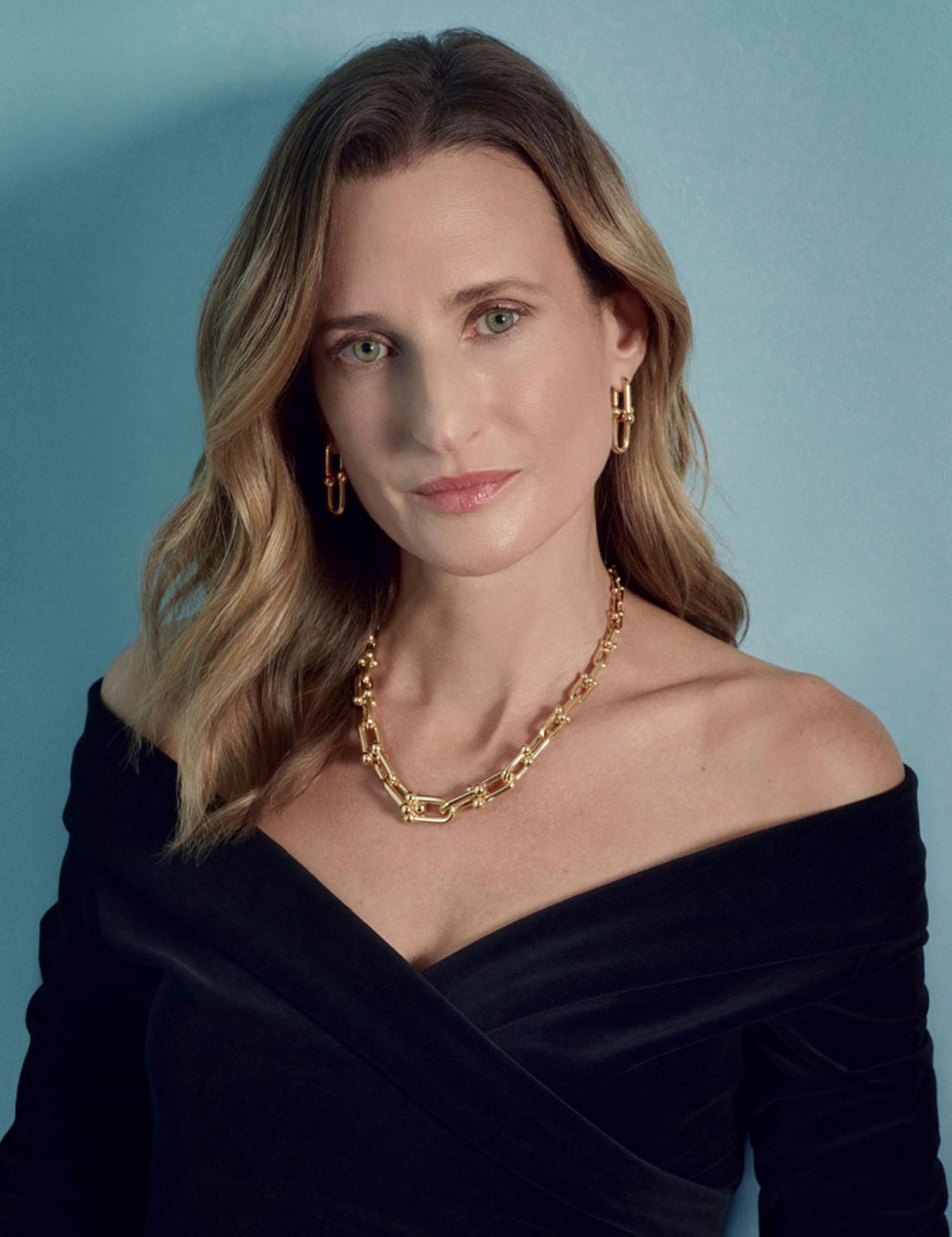
In the context of an accelerated transformation of the luxury market, marked by the rise of second-hand goods and evolving purchasing behaviors, Christie’s is strengthening its organization. The auction house announced on Wednesday evening the appointment of Kimberley Miller as the global head of its luxury activities.
Christie’s, one of the world’s most prestigious auction houses, reported an exceptional year in 2025 for its luxury division, which grew by 17% compared to 2024.
Kimberley Miller joined Christie’s in 2010 within the wine department. She subsequently distinguished herself through her international career, marked by leading luxury activities for the Americas and significant commercial successes at the helm of the jewelry, watches, wine, and leather goods divisions. She now oversees all Global Luxury activities, covering live sales, online auctions, and private sales.
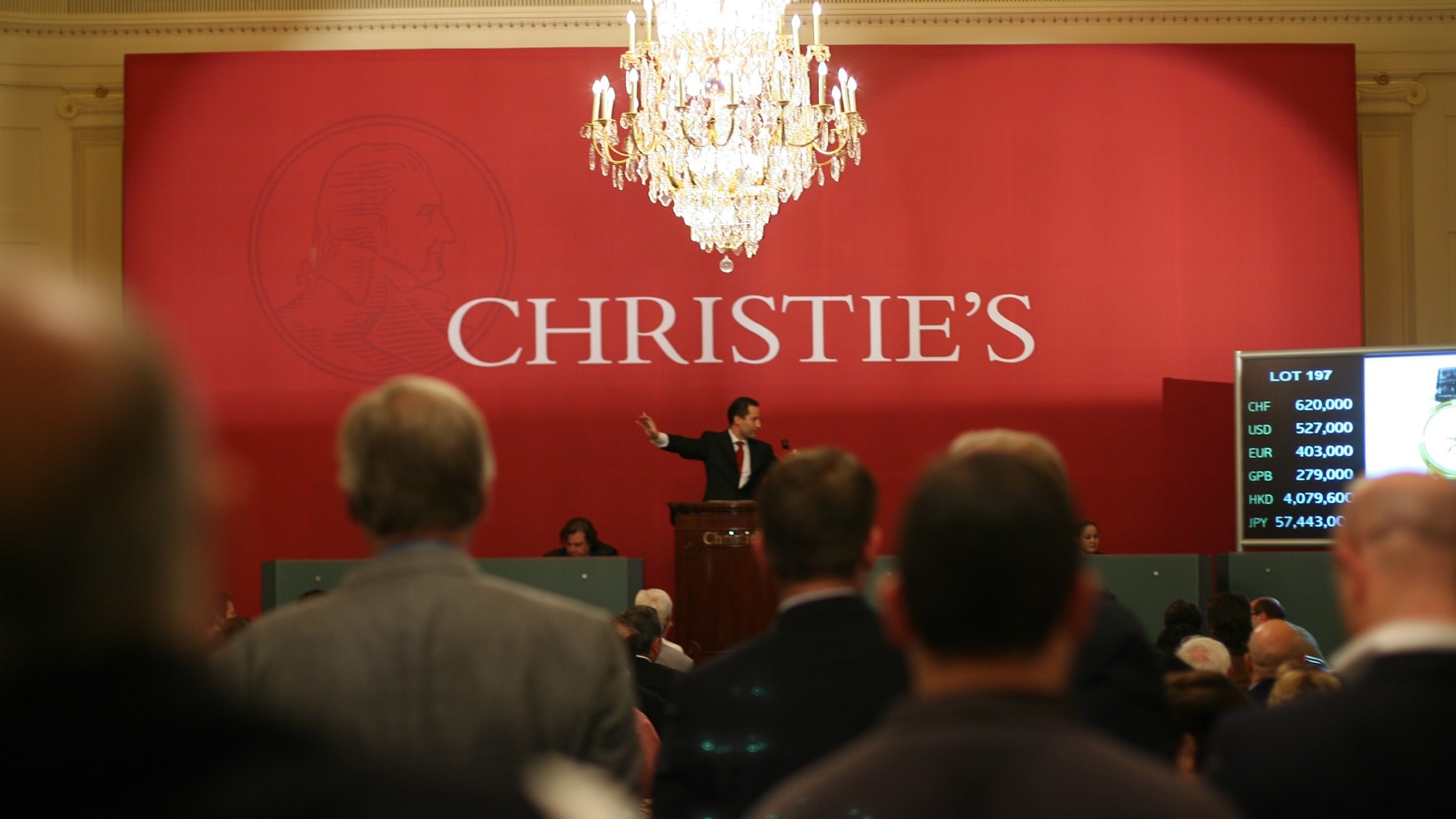
This appointment follows an exceptional year for Christie’s luxury division. Last November in Geneva, the exceptional blue diamond, the Mellon Blue, considered a museum-level piece of high jewelry, was sold for 20.5 million Swiss francs (25.6 million US dollars), becoming the most expensive jewelry lot sold at auction in 2025. This sale contributed to an auction week that was up 24% year-on-year. In total, the luxury category generated 795 million dollars, an increase of 17% compared to the previous year.
The appointment of Kimberley Miller comes at a time when historical players in the luxury sector (auction houses, haute couture houses, and digital platforms) are revising their strategies to attract a younger, more connected clientele that is increasingly sensitive to second-hand products.

The global luxury goods resale market is experiencing sustained growth, becoming one of the major development axes of the sector. According to a 2025 study published by the Boston Consulting Group and Vestiaire Collective, the resale of luxury goods is currently growing three times faster than the new goods market, with an estimated annual growth rate of +10%. The study also reveals that 28% of the clothes worn by the respondents are second-hand, a figure that reaches 40% for bags.
This acceleration of the resale market is part of a broader trend resulting from the current uncertain economic context. Faced with rising prices for new items and pressured purchasing power, many buyers are turning to the second-hand market. Platforms are thus intensifying their offerings of certified products and services (authentication, guarantees), strengthening consumer confidence.
Recent data confirms that the global luxury market continues to reinvent itself: according to Bain & Company, in 2025, it reached approximately 1,440 billion euros, marking a phase of stabilization after several years of growth. Buyers are changing their habits, often favoring less conventional channels, of which resale is an integral part. Kimberley Miller therefore assumes her role at a pivotal time for the luxury market, where resale is establishing itself not as a mere ancillary segment, but as a genuine driving force.