Editor’s Note
This article details the severe financial pressures facing De Beers, as evidenced by a staggering $511 million loss in 2025 and a significant devaluation by its parent company. The figures underscore the profound challenges posed by persistent market headwinds and increased competition.
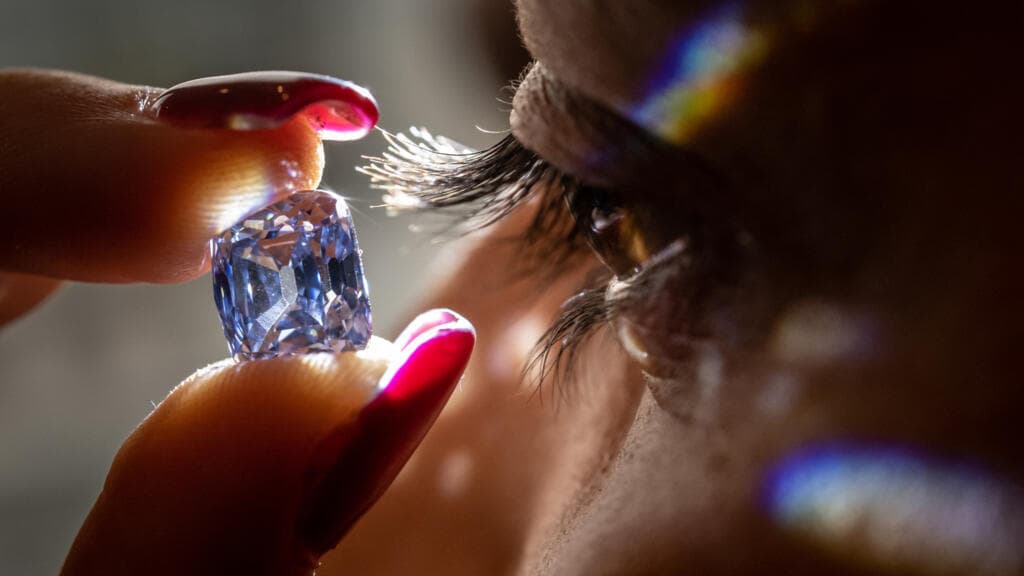
De Beers has announced its 2025 results marked by a heavy loss, and its parent company Anglo American has revised downwards the book value of the company: the group is now worth approximately $2.3 billion.
The accounts show a clear deterioration compared to 2024: De Beers incurred a loss of $511 million, compared to $25 million the previous year — an average of nearly $1.5 million lost each day. This poor performance leads to the third successive impairment of the asset.
The significant reduction in De Beers’ market value could attract bargain-seeking buyers: offers below two billion dollars are becoming conceivable. According to Duncan Wanblad, several actors considered “very credible” have already engaged in advanced negotiations, among them Botswana, Angola, and Namibia.
The sale of the company by Anglo American fits into this difficult financial context: the parent company hopes to conclude a divestment before the end of the current year, in order to exit a situation that weighs on its accounts.
De Beers’ decline is explained by a market weakness that began in 2023 and persists, affecting the entire mining sector. Professionals report that, at current price levels, many investment projects no longer have assured profitability. The main mine in Botswana, Jwaneng, illustrates this problem: its underground extension would require investments estimated between $8 and $10 billion.
De Beers’ results also reflect a drop in average prices: the parent company mentions a contraction of the price index of about 12% in 2025, while the supply of rough diamonds now exceeds demand. While the high-end segment and the American market remain growth drivers, competition from synthetic gems weighs heavily — artificial diamond rings would represent nearly 60% of sales in the United States.
Furthermore, the establishment in 2025 of US tariffs on certain imports from India added an additional constraint: India performs the cutting of about 90% of rough diamonds, and these measures have disrupted supply chains and processing costs.
Angola, the world’s third-largest producer, plays a determining role in the current dynamic. After a record year of 14 million carats, the country aims for more than 17 million carats next year, approaching the production level of De Beers which reached about 21 million carats in 2025. Angola’s open-pit deposits require lower investment expenditures than underground operations, which allows Luanda to produce at reduced costs and offer very low prices on the market.
These competitive Angolan prices have contributed to establishing a downward trend on the global market and have, indirectly, weighed on De Beers’ valuation — a situation that could, paradoxically, benefit Angola if it decides to become a buyer of the group.