Editor’s Note
This article examines the recent downturn in global precious metals markets, attributing price declines in gold and silver to reduced liquidity during major holiday periods. Market movements remain sensitive to trading volumes and broader economic conditions.
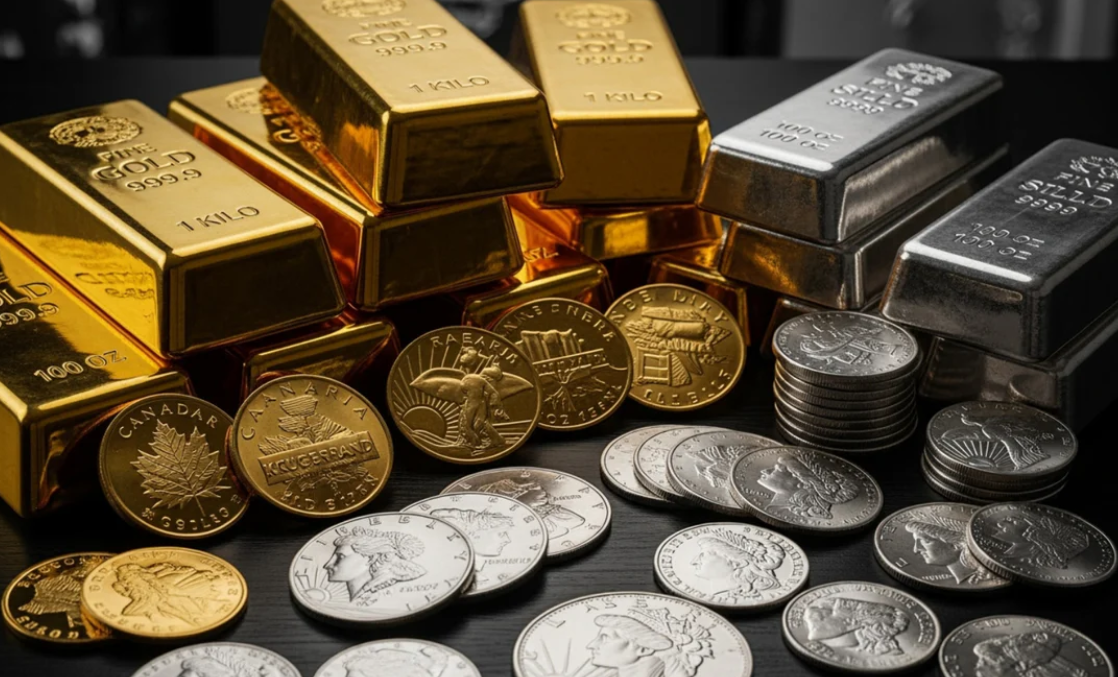
According to reports from multiple news outlets, the global precious metals market has shown a clear downward trend. International gold and silver prices have collectively experienced significant declines, drawing close attention from investors. Influenced by the Lunar New Year holiday period and the US “Presidents’ Day” holiday, among other major holidays, thin trading and insufficient liquidity in major markets have become important factors leading to the decline in precious metals prices.
Spot gold prices once fell below $4,900 per ounce, with the intraday maximum decline approaching 2%. Spot silver prices were even weaker, briefly falling below $75 per ounce, with a decline exceeding 4%. This round of price pullback reflects the market’s short-term adjustment trend under multiple pressures, including holiday-induced thin trading, profit-taking, and a strong US dollar.

Market data shows that due to the Lunar New Year holiday closures in major Asian markets such as mainland China, Hong Kong, Singapore, Taiwan, and South Korea, and the “Presidents’ Day” holiday closure in the US market, global precious metals trading volume has significantly shrunk, and trading sentiment is low. Spot gold briefly rebounded to around $4,956 per ounce during thin trading but failed to hold above the key $5,000 level, extending the downward trend from the beginning of the week. Technical profit-taking in the precious metals market, concentrated after reaching high levels before the holiday, has further intensified the downward pressure on prices.
Gold futures contracts on the New York Mercantile Exchange (COMEX) also experienced declines to varying degrees. At the same time, prices of other major precious metals such as silver, platinum, and palladium were similarly under pressure and declining, reflecting a temporary pullback in overall safe-haven demand globally.
Some market analysts point out that against the backdrop of reduced liquidity due to holiday closures, precious metals prices have become more sensitive to macroeconomic news and capital flow trends, with the magnitude of short-term volatility somewhat amplified.

Another key factor currently affecting precious metals prices is the strength of the US dollar. The US dollar index rose slightly during the holiday period, making gold and silver priced in US dollars more expensive for holders of other currencies, thereby exerting some suppressive effect on precious metals demand. Additionally, recent adjustments in expectations regarding the US Federal Reserve’s monetary policy have also increased market uncertainty.

Despite the obvious short-term downward trend, some market observers point out that this price pullback may also be a technical adjustment and does not imply that the long-term investment value of safe-haven assets has been lost. After the holidays, as global major markets reopen and liquidity recovers, and with the gradual clarity of macroeconomic data, precious metals prices are still expected to regain a more stable development foundation. Investment institutions and analysts generally recommend that investors closely monitor the signs of post-holiday market liquidity recovery and the direction of Federal Reserve policy to grasp subsequent price trends.