Editor’s Note
Global mineral prices have surged to record highs, driven by strong demand from the electronics industry and the ongoing energy transition. Precious metals like gold, silver, and platinum, along with strategic minerals such as cobalt and copper, have seen dramatic increases, reflecting a broader sectoral shift.
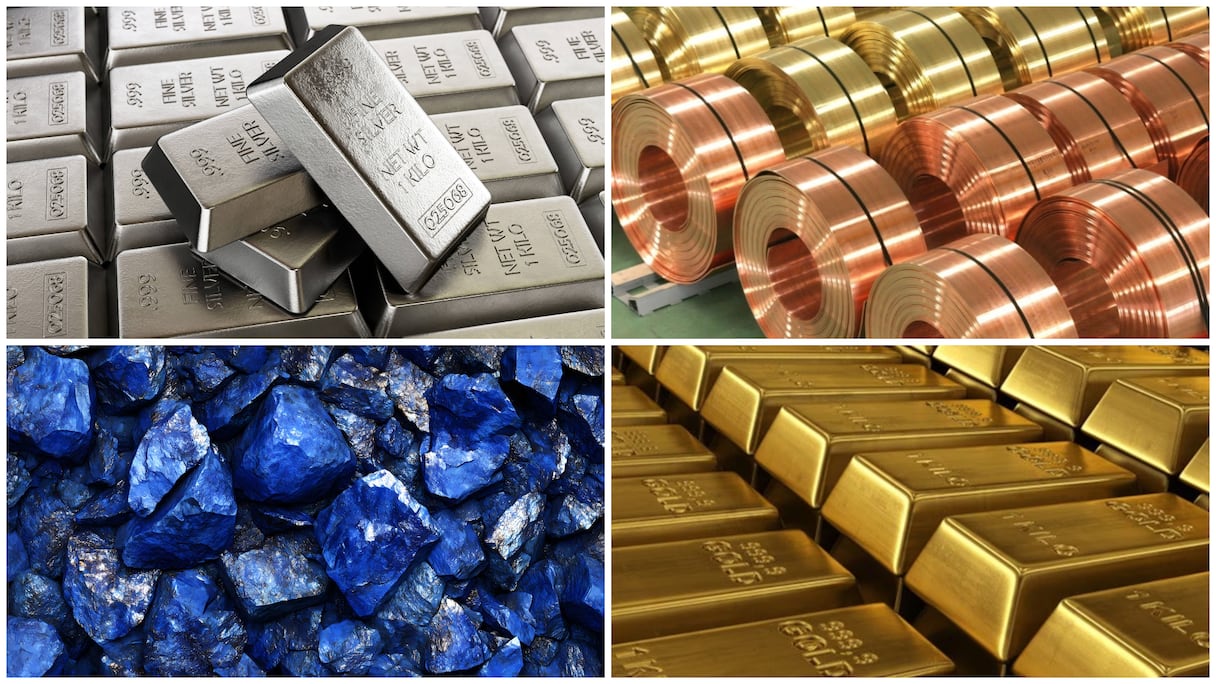
The prices of several minerals have reached unprecedented levels. This is the case for precious metals like gold, silver, platinum, etc., but also for so-called strategic minerals (cobalt, copper, etc.) which are in high demand by the advanced electronics industry as part of the energy transition.
For many minerals, the prices, listed on American and British stock exchanges, have simply exploded. Thus, the prices of gold, platinum, silver, and cobalt ended the year with respective increases of 66%, 124%, 144%, and 120%. Other minerals also benefited from a generally favorable environment and saw their prices rise significantly, such as copper, tin, aluminum…
Overall, there is a sectoral attraction for metals, whether they are precious (gold, silver, platinum…), i.e., metals of high economic value, or not (cobalt, copper, lithium…). Some of these metals even benefit from a kind of contagion effect.
Behind this surge is a combination of factors. First, these sharp increases are the result of imbalances between global supply and demand, which can be structural or cyclical.
The strong demand from advanced industries and the industrial boom in the energy transition sector impact the prices of certain so-called strategic minerals. Next, there are geopolitical tensions and macroeconomic conditions, largely linked to Donald Trump’s presidency. Beyond the effects of tariff policies (a 50% surcharge on copper), there is the behavior of the greenback and low interest rates, following the lowering of the US benchmark rate, encouraged by Trump.
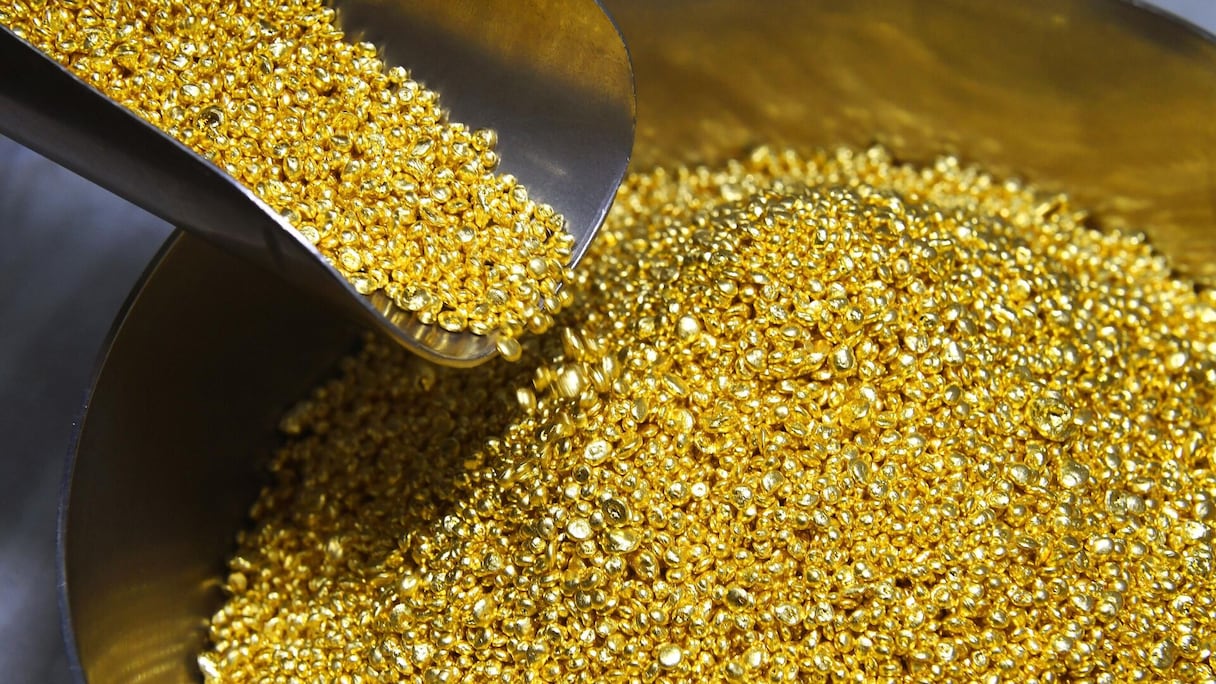
Low interest rates make the dollar less attractive and investment in precious metals more appealing. Furthermore, the economic climate and geopolitical tensions push certain metals to reclaim their status as safe-haven assets even more. This is particularly the case for gold, silver, and even platinum, which benefit from a contagion effect.
These metals are benefiting this year from the loss of attractiveness of the dollar and US government bonds, which are usually competing safe-haven assets for precious metals.
In short, these metals are broadly supported by a “favorable economic climate” combining geopolitical and trade tensions, falling interest rates, central bank strategies, growth dynamics in many business sectors… And for each mineral, specific factors can also influence the price. For example, the impact of central bank purchases, particularly concerning gold bars, also influences the price of the yellow metal.
All these factors have created a strong upward trend in metal prices on the international market. However, not all minerals have benefited from this rise in the same proportions. Some metals saw their prices soar during 2025, heralding positive spillovers for certain African producer countries.

It is gold, the most precious metal, that set the pace for the rise in metal prices. Following its price evolution in recent years, the ounce of gold (31.1 grams) soared in 2025, breaking multiple records. The price of gold rose from $2,607 to a peak of $4,549.71 per ounce on Friday, December 26, before retreating due to profit-taking, to end the year at $4,315 during the last trading session of 2025, showing a 66% increase.
Several factors explain the surge in gold, including the availability of bank gold bar stocks, the state of global gold reserves, industrial demand, global jewelry demand, and investments.
In 2025, the price of the precious metal experienced strong fluctuations with an overall upward trend, driven by market demand, global economic uncertainties, and international geopolitical tensions, playing the role of a safe-haven asset.
The gold ounce is also driven by macroeconomic factors such as expectations of a decrease in the Federal Reserve’s (Fed) benchmark rates and its impacts on interest rates.
The price of gold jumped 66% in 2025 to close the year at $4,315 per ounce. Gold supply, geopolitical tensions, the decline of the dollar and interest rates,… are behind the surge of the yellow metal which serves as a safe-haven asset.