Editor’s Note
This article explores how major jewellery brands, from mass-market leaders like Pandora to luxury houses such as Prada, are shifting towards lab-grown diamonds and recycled precious metals, redefining industry standards for sustainability.
The diamond hierarchy is bifurcating. When Pandora moved exclusively to lab-grown diamonds (LGDs) in 2021, and to recycled gold and silver in 2024, the jeweller signalled a mass-market realignment, earning recognition as the world’s most sustainable consumer brand.
The transformation extended upward, with some of the biggest names in luxury jewellery following suit. In 2022, Prada launched its Eternal Gold collection featuring 100% recycled gold and LGDs. LVMH’s TAG Heuer also integrated LGDs into timepieces – positioning them not as budget substitutes, but precision-engineered materials enabling “quiet sustainability” and design innovation.
Jewellery is increasingly valued as a tangible luxury asset where rarity, provenance, and enduring craftsmanship underpin both emotional appeal and long-term value.
Lab-grown diamonds are reshaping the market by offering sustainable, transparent, and flexible alternatives, while natural diamonds retain exclusivity and heritage-driven premiums.
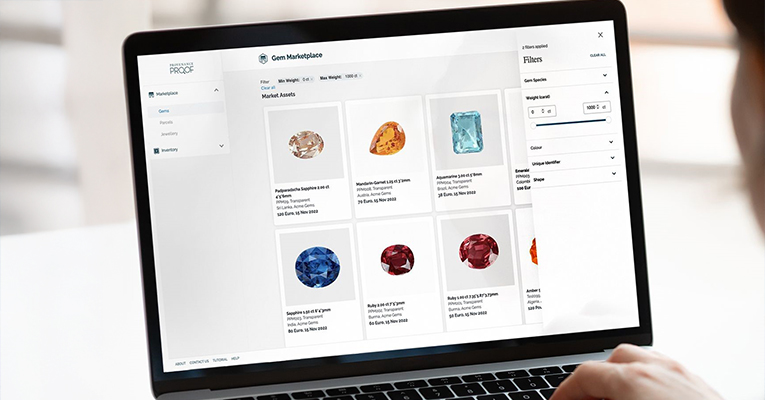
Traceability has moved from narrative to verifiable evidence, with initiatives like Gübelin’s Provenance Proof combining blockchain and physical tracers to authenticate gemstones and protect against counterfeiting.
Regional and generational dynamics influence adoption: Europe and North America prioritise compliance and transparency, while Asia-Pacific and the Middle East balance innovation, personalisation, and cultural preference, highlighting the global diversity of the jewellery market.
As luxury assets evolve, fine and high jewellery sit at the intersection of tradition, innovation, and sustainability. Beyond personal enjoyment, jewellery represents a tangible luxury asset in which rarity, provenance, and enduring craftsmanship underpin long-term value. Ethics and traceability are becoming more central, with initiatives ranging from recycled metals to lab-grown diamonds signalling a broader industry reassessment of sourcing and sustainability.
Market dynamics – from Europe and Asia-Pacific to the Middle East – illustrate how scarcity, provenance, and design flexibility shape value. Collectors and investors increasingly recognise that passion assets offer not only craftsmanship and cultural significance, but also structural resilience and diversification.
Demand for high-end jewellery remains resilient, as shown by maisons such as Cartier and Van Cleef & Arpels, despite broader market volatility.
Understanding the evolution of this ancient sector is essential to integrating jewellery into a considered wealth strategy.