Editor’s Note
This analysis examines the recent historic surge in silver prices, driven by a structural market deficit, geopolitical factors, and strategic stockpiling by major economies. We present the core dynamics for investors considering the metal’s future trajectory.
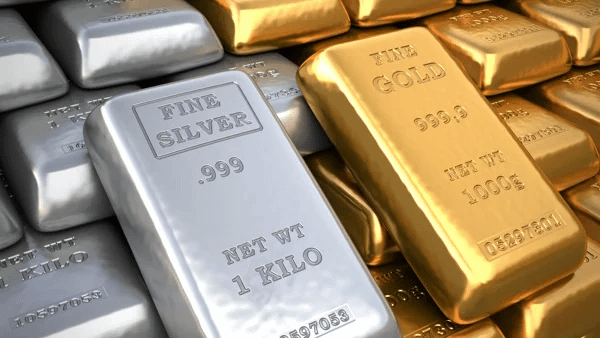
Silver has surged by 318.5% in one year, reaching a new historic record of $119 per ounce. Can one still invest in silver? Why has it risen so much?
In summary: there is a global silver shortage, with a 7% annual deficit, compounded by China’s export restrictions, the United States’ strategic stockpiling, and geopolitical uncertainty driving price increases.
The core logic behind the price surge is presented below, hoping it will be useful for those fortunate enough to see it.
Data Source: World Silver Association 2025 Report
Global Supply: 10.4 million ounces/year (mining + recycling)
Global Demand: 11.2 million ounces/year (industrial + investment + jewelry)
Shortfall: 0.8 million ounces (7% shortage)
This shortfall is not just for 2025; it has been occurring from 2020 to 2025, and the gap is expected to widen further in 2026.
First, let’s look at the demand side: industrial use has increased dramatically.
60% of silver is used in industry, not in jewelry.
Solar Panels: Account for 20%, with 15% annual growth. Reason: Global carbon neutrality policies, countries mandating solar installation.
Electric Vehicles: Account for 15%, with 30% annual growth. Reason: Combustion engine vehicle sales bans; EVs use double the silver of combustion vehicles.
Electronics/5G/AI: Account for 25%, with 10% annual growth. Reason: Massive construction of semiconductor chips and 5G base stations.
Key Point: Silver is irreplaceable in industry; only a small part can be substituted by copper, but it will affect performance.
Problem 1: Limited Reserves
Data Source: 2025 U.S. Geological Survey Report
Global Proven Reserves: 640,000 tons. Annual Production: 25,000 tons. Reserve Life: Approximately 25 years.
Note: This is the amount proven extractable with current technology, not including deep-sea or inaccessible silver.
Problem 2: Extraction Difficulties
What is a by-product mineral? It’s silver incidentally extracted when mining copper, lead, and zinc, not specifically targeted.
Lead and Zinc By-products: 30%, Copper Ores: 27%, Gold Ores: 14%. Total: 71%. Primary Silver Ores: 29%.
Why can’t production increase?
Mine owners derive most of their revenue from copper; silver is just a by-product. Even if silver prices soar, they won’t specifically extract silver; more silver only comes if copper prices rise.
Problem 3: New Mine Production is Slow
Even if silver prices soar, mine owners wanting to open new mines face: exploration → environmental assessment → construction → production. The entire process takes 5 to 10 years; short-term production cannot increase at all.
Summary: Demand Side: Industry accounts for 60%, with 10-30% annual growth, demand is irreplaceable. Supply Side: Reserves last only 25 years, 71% are by-product ores, new mines take 5-10 years.
Result: Increasing demand, insufficient supply, annual shortage.
Three catalysts will explode simultaneously.
Timing: Effective January 1, 2026. Policy: Silver exports require government licensing, similar to rare earth controls.
China’s Position: Refined silver exports account for 60-70% of the global total. Mined raw silver is sent to China for refining, then exported as pure silver.
Impact: The licensing cycle is long and complicated. Export quantity decreases by 7-10%. The U.S. and Europe cannot obtain refined silver. Supply panic, prices soar.
Timing: Late 2025. Policy: Trump signs a presidential order, adding silver to the list of key strategic minerals, ensuring U.S. supply security.
Others on the same list: Rare earths, uranium, tungsten, nickel, cobalt. Historical Pattern: Minerals included in the strategic list have historically experienced price increases.
Corporate Reaction: U.S. companies fear price hikes, stockpile, and buy in bulk to avoid shortages.
Silver is a multifaceted precious metal: it is both an industrial metal and a safe-haven asset.
Global Risks in Early 2026: U.S.-China trade war, reciprocal tariffs, supply chain chaos, Middle East tension, tariff threats in Europe and Canada.
Safe-Haven Logic: Funds tend to buy physical assets like gold and silver. Gold rises to $5600. Silver rises to $119.
Three catalysts overlap: China limits exports + U.S. frantic stockpiling + geopolitical risk = extreme market shortage, soaring prices.
First, let’s see if the price is reasonable.
Silver Extraction Cost:
Pan American Silver: $15.75 to $18.25/ounce
Hecla Mining: $15 to $16.25/ounce
Industry Average: $15 to $20/ounce
Comparison with Gold:
Gold extraction cost $1400, market price $5600, approximately 4 times.
Silver extraction cost $20, market price $119, approximately 6 times.
Anomaly: Silver’s multiple is higher than gold’s multiple. Normally, gold’s multiple should be higher (monetary attribute). A high silver multiple indicates it has been inflated.