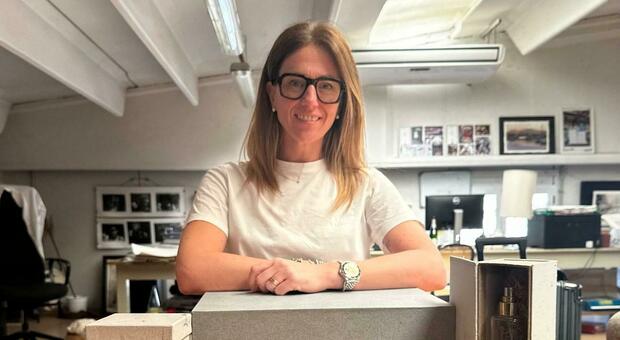
Editor’s Note
**Editor’s Note:** This piece explores how artisanal packaging—through texture, color, and tactile experience—has become a decisive factor in consumer choice, particularly in high fashion, where the unboxing journey is crafted to evoke emotion and reinforce brand identity.
Signature packaging? The trend is artisanal.
Let’s think about all those times we chose one product over another because we were attracted by its aesthetics. Or rather, attracted by the packaging, the type of paper, and the colors chosen. Touch, sight, and perception are the aspects that guide us toward a choice that is often emotional. At the same time, what guides us is the message communicated, which is clearly conveyed.

The combination of handmade and custom paper is a winner, even if it implies costs for the company that can range, on average, from 2 to 40 euros. “The range is very wide, but a brand that embraces handmade and wants to stand out with something different is willing to pay a bit more. It should be noted,” adds Versini, “that in this historical context, there is not much difference in cost between handmade paper and industrial paper. Compared to the past, the gap is increasingly narrowing due to the significant energy costs that industrial companies must bear.” Costs aside, the requests from marketing experts are increasingly detailed and precise. And sustainability is at the top of the list.
The current trend? It is tailor-made, 100% artisanal. Handmade paper and specially designed packaging, sometimes unique pieces outside the standard. The most attentive are both luxury brands and those who work in an artisanal way. Whether they are capsules or limited editions, the boxes that contain, for example, jewelry, perfumes, and chic clothing, but also fine wine, oil, and spirits, are true protagonists. Beautiful, useful, and also multi-purpose.
Among the latest requests is paper made from the waste of perfume essential oils: the advice is to close your eyes before bringing your nose close and imagine that perfume on your skin. The common thread of nature is also reflected in the choice of shades. “The most sought-after colors are natural ones with pastel tones, because they communicate freshness, lightness, well-being, and sustainability. Yellow, light blue, pink, green. ‘Dirty’ white and snow color are very popular. The key word for all graphic and creative work is care, because it recalls the product itself,” says graphic designer Letizia Mocchegiani.