Editor’s Note
A recent investigation reveals that the thieves who stole eight Crown Jewels from the Louvre in October could have been apprehended within seconds, exposing critical security lapses at the iconic museum.
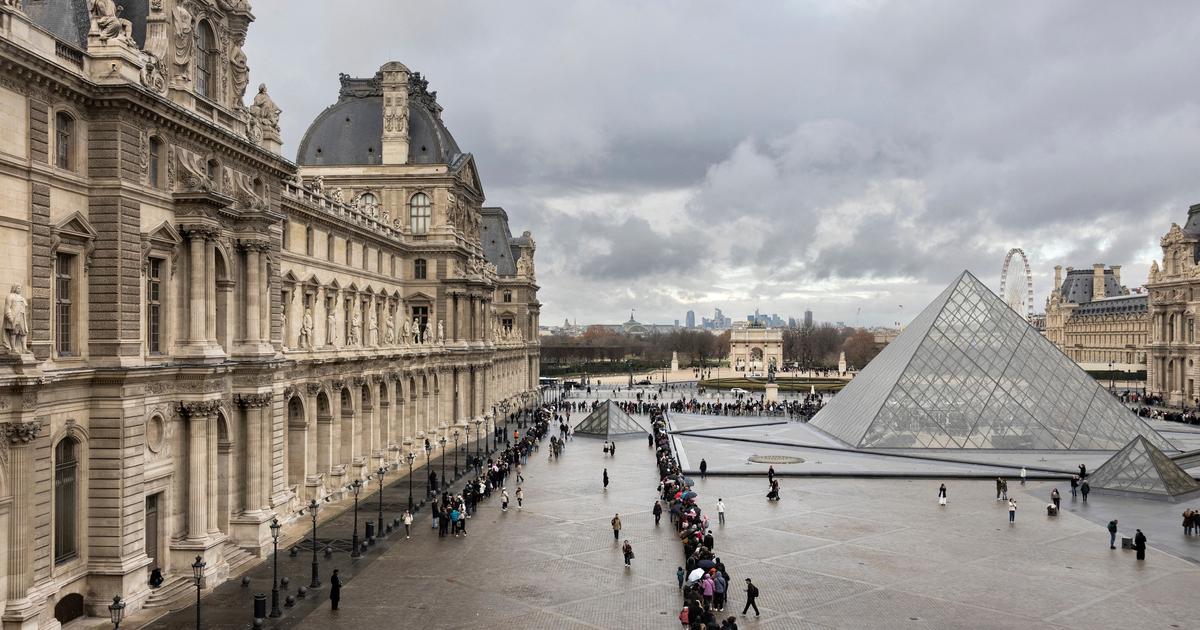
According to an administrative investigation, the thieves who broke into the Louvre on October 19th, making off with 8 Crown Jewels, could have been arrested “within thirty seconds.” On December 10th, before the Senate’s cultural commission, the rapporteurs from the General Inspectorate of Cultural Affairs (Igac) and the Ministry’s Security Mission (Missa) presented a damning account of the few minutes that plunged the Parisian museum into horror.
According to the investigators, who conducted a two-week administrative inquiry following the heist, security agents and managers acted as they could, following established protocols. However, outdated and insufficient equipment—an obsolete security PC, only five exterior cameras, an inadequately secured French window, unreplaced protective grilles—led to the disaster.
Worse, an exterior camera “perfectly filmed the arrival of the thieves, the installation of the nacelle, the ascent of the two thieves to the balcony and, a few minutes later, their hasty departure,” recounted Pascal Mignerey of the Missa. But these images were not watched live due to a lack of sufficient screens. When a security agent zoomed in,
According to the rapporteurs, these dysfunctions stem from years of underestimating security risks. Pressed by senators, the rapporteurs attempted to clarify the security and safety policy implemented at the Louvre over the past eight years. It appears to be one of “stop-and-go,” against a backdrop of long administrative delays, poor internal organization, and an in-house culture focused on visitors rather than the state of security PCs.
Thus, a security master plan was launched in 2017-2018 by the museum’s former president, Jean-Luc Martinez. Studies and investments were set up against the backdrop of the “Yellow Vests” crisis and Covid. In 2021, this plan was called into question by Laurence des Cars, Martinez’s successor.
Procurements were launched in 2024-2025, for implementation beginning in 2026.
In 2018, the jeweler Van Cleef & Arpels, as part of a skills-based sponsorship, had written a report on security in the Galerie d’Apollon. It highlighted the gallery’s vulnerability to theft, notably pointing out the presence of an easily reachable balcony and French windows without bulletproof glass. In retrospect, this audit almost appears like a manual for the October 19th heist.
The answer, according to the Igac, is clear: there was no “handover” between the two presidents, nor a proper transfer of authority.
With its 244,000 square meters over 37 hectares, it is not only a “city” but also works in silos, with departments and directions acting without necessarily communicating. As for the Ministry of Culture, which, as the overseeing authority, could have played a cementing role, it also did not properly fulfill its contract.
The administrative investigation report includes a number of recommendations, including the obvious need to upgrade equipment and the already-approved creation of a security coordinator position within the museum.
According to them, the €80 million in investments on this topic announced as part of the Louvre Renaissance major works must be released without delay.