Editor’s Note
This article explores the rise of a new professional ecosystem—the stall livestreamer—within Shenzhen’s traditional wholesale markets. As the “Double Eleven” shopping festival nears, it highlights how platforms like the Shuibei Gold Market are leveraging livestreaming and low-price strategies to attract online customers, signaling a dynamic shift in China’s e-commerce landscape.
As the “Double Eleven” shopping festival approaches, the e-commerce battlefield is heating up again. A reporter recently visited traditional wholesale-oriented commercial centers in Shenzhen, such as the Shuibei Gold and Jewelry Market, Huaqiangbei Electronics Market, and Nanyou Garment Market, and discovered a burgeoning new professional ecosystem—the stall livestreamer.
At the Shuibei Gold Market, China’s largest gold and jewelry wholesale base, hosts in small stalls are enthusiastically showcasing various gold products to their phone cameras. Influenced by the continuous rise in international gold prices, gold products have become a highlight of this year’s Double Eleven online shopping.
The reporter observed that the main products featured in the livestreams are not traditional gold bars or pure gold jewelry, but cultural and creative products containing small amounts of gold, such as gold foil crafts, 5D gold, and gold-plated silver items. These products, with their low gold content, large volume, and low prices, are particularly suited for impulse purchases during livestreams. A seemingly luxurious gold ornament often costs only a few hundred yuan.
Leveraging its advantage of having the lowest-priced goods nationwide, Shuibei has become a significant base for gold and jewelry livestreaming, attracting online consumers from all over the country.
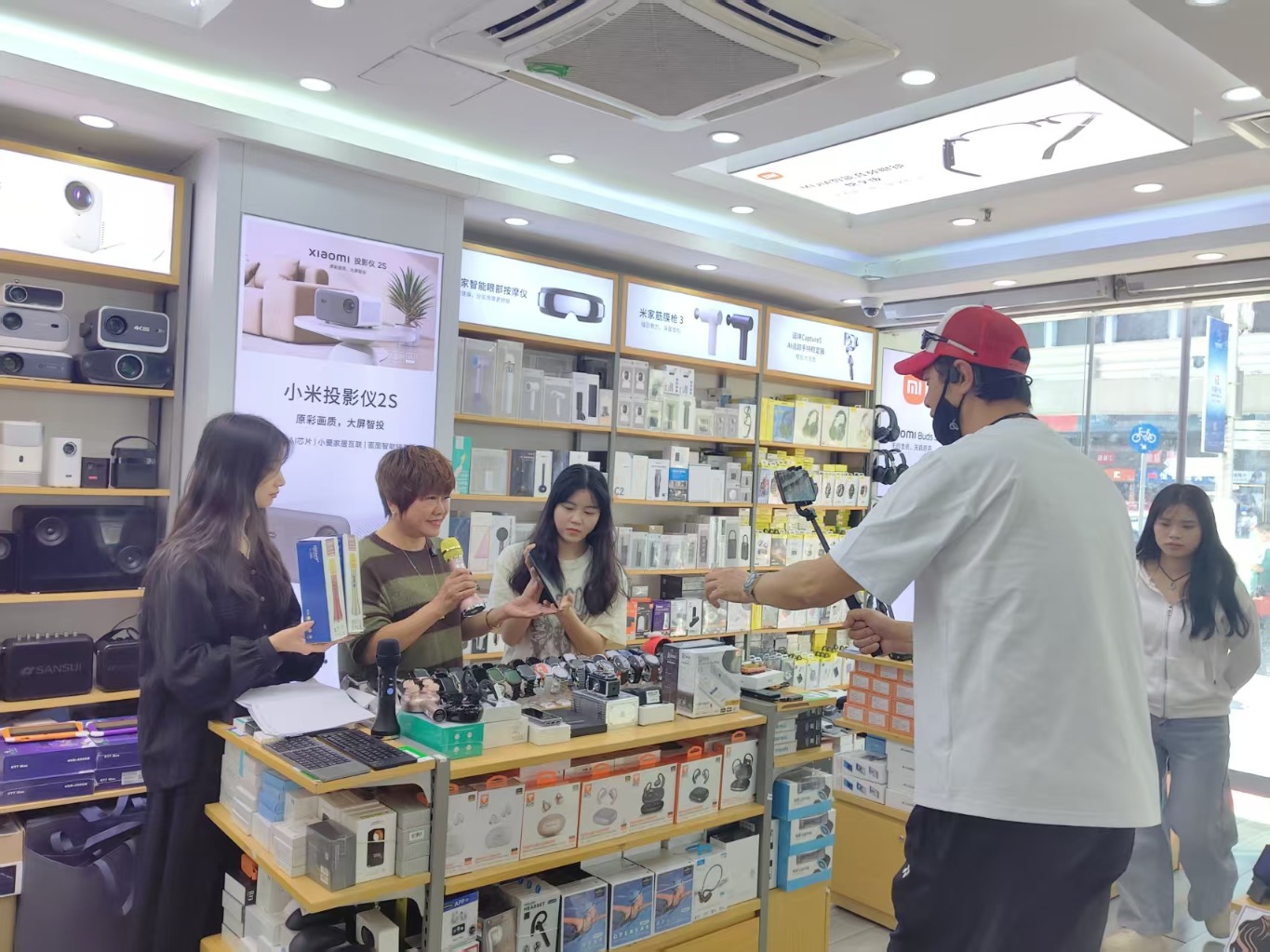
At the Huaqiangbei Electronics Market, the wave of livestreaming is equally palpable. Particularly in areas selling entertainment electronics like karaoke equipment and gaming peripherals, numerous hosts are demonstrating product features.
The reporter also noted the presence of many foreign buyers at Huaqiangbei. A buyer from India stated that Huaqiangbei’s price advantage is significant, and they regularly come to purchase the latest electronic products.
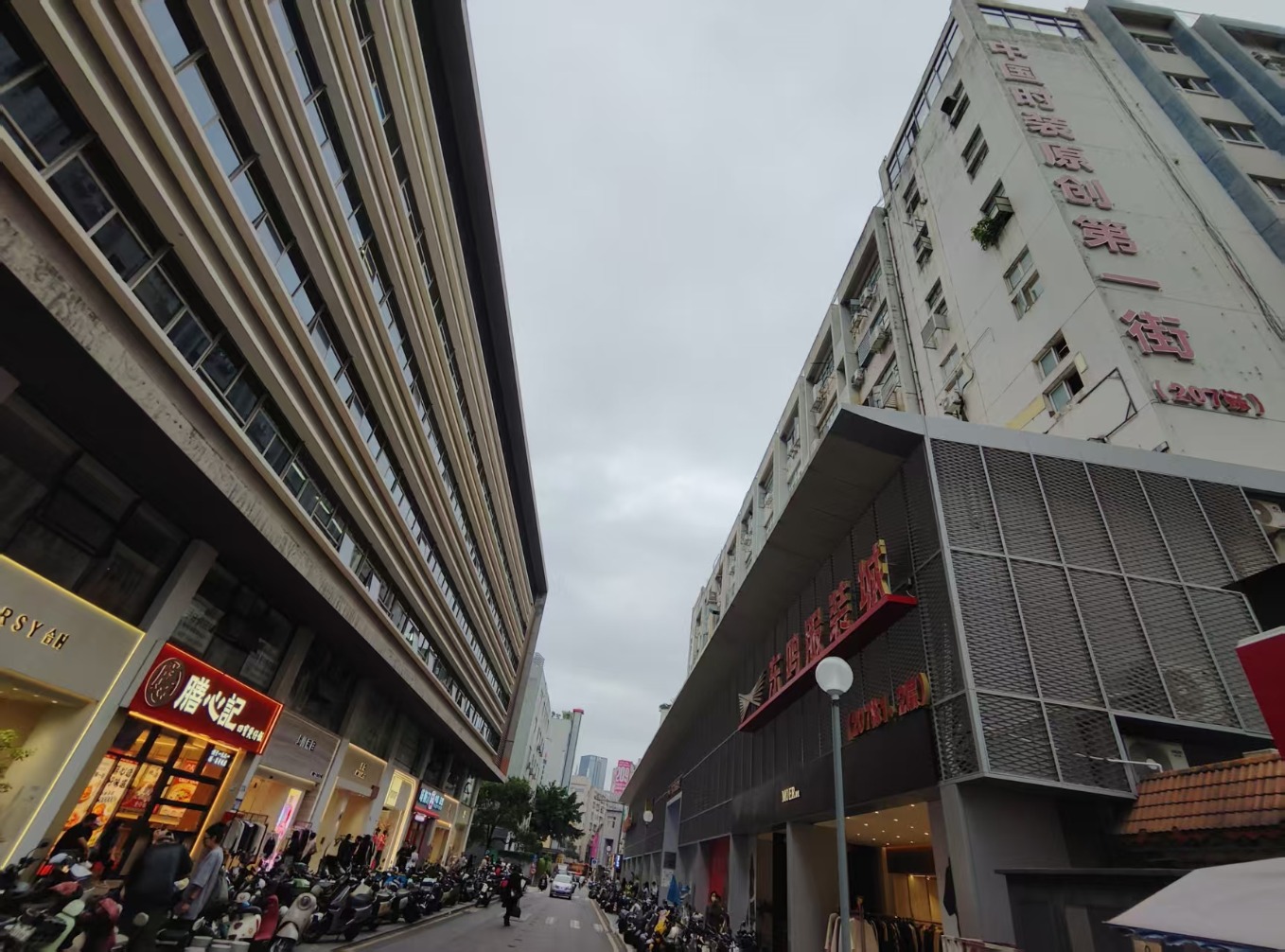
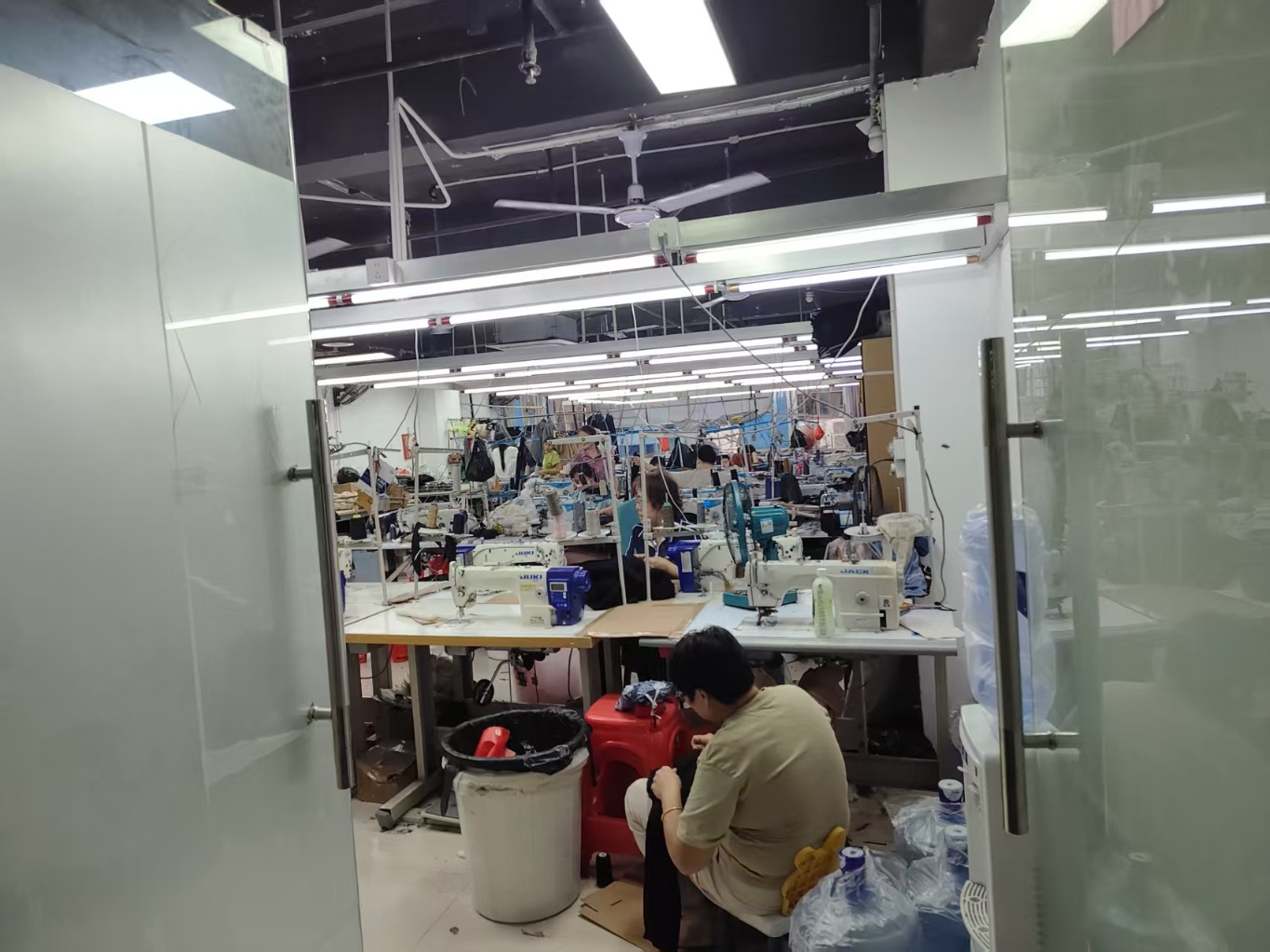
At the Nanyou Garment Market, beneath a building sign reading “China’s No.1 Street for Original Fashion,” a more sophisticated livestreaming ecosystem has taken shape. In factory buildings constructed in the 1980s and 1990s, the ground floors house garment stalls, while the upper floors contain garment factories and livestreaming studios, forming a complete chain from design and production to sales.
On the fifth floor of one building, the owner of a garment processing factory explained that after their high-end fashion is produced, it is sent directly to professional livestreaming studios upstairs for sale. A high-end garment goes from design and manufacturing to sales without leaving the building, significantly shortening the distance from factory to consumer.
The reporter learned that this model of “old factory renovation + livestreaming industry” is being replicated in multiple locations. A former Tianma Microelectronics factory building near Zhongshan Park in Nanshan District has now become a livestreaming e-commerce base. Every night, the entire building is brightly lit—most hosts work in the evenings, targeting consumers during their post-work leisure time.
Industry insiders analyze that the vigorous development of Shenzhen’s livestreaming e-commerce industry benefits from its solid manufacturing foundation,完善的供应链体系, and an innovative, entrepreneurial city atmosphere. Driven by shopping festivals like Double Eleven, livestreaming e-commerce is becoming a new growth point for Shenzhen’s e-commerce economy and injecting new vitality into traditional commerce.